
It was a moment I won’t forget—standing in line, mask securely in place, only to realize that my breath was stealing the show for all the wrong reasons. The worst part? I couldn’t even smell it myself until that uncomfortable flash of realization hit me. If you’ve ever experienced that unexpected, socially awkward stench behind your mask, you know exactly what I mean. It’s embarrassing, confusing, and can make you wonder: “Why now? Why always when I need to look my best?”
Breath Woes Behind the Mask: More Common Than You Think
Many of us have faced this issue, especially as masks have gone from optional to mandatory in so many places. That foul smell isn’t just a minor annoyance; it can be a sign that something’s amiss with your oral health. Surprisingly, recent studies show that up to 50% of adults experience persistent bad breath, or halitosis, which can get amplified when wearing masks, trapping odors closer to the nose. Worse yet, I used to think that brushing more would solve it—only to discover that brushing alone isn’t enough. That’s a mistake I made early on, assuming my daily brushing routine would permanently banish this problem. Instead, I learned that oral health is a complex web of habits, routines, and sometimes, underlying dental issues. Today, I want to share what truly worked for me and could help you, too. Ready to breathe easier and smile brighter behind your mask? Let’s dive into practical, proven strategies that tackle the root causes of bad breath and keep you confident in any situation.
Is Bad Breath Behind a Mask Really a Big Deal?
Look, I know what you might be thinking—”Is this just a minor inconvenience or a sign of something serious?” Honestly, early in my journey, I overlooked it, brushing off bad breath as mere laziness or poor hygiene. But ignoring it is a mistake that can cost you more than just social discomfort. Bad breath can sometimes indicate deeper issues, like gum disease or even dietary imbalances. I’ve been there and understand the frustration—believing I was doing enough until I realized the importance of comprehensive oral care. If you’re tired of feeling self-conscious when your mask comes off, keep reading. I’ll guide you through effective practices and help you avoid the pitfalls I fell into. For more insights on maintaining a healthy smile, check out [family dentistry tips](https://periodontistcare.com/family-dentistry-focus-building-a-lifetime-of-healthy-smiles) and learn how consistent visits can make a significant difference.
Master Your Oral Hygiene Routine
Consistent and thorough oral care is the foundation of fresh breath. Start by brushing your teeth at least twice daily with a fluoride toothpaste, paying special attention to the gumline and the backs of your molars. Use a soft-bristled toothbrush and replace it every three months to prevent bacterial buildup. Incorporate flossing or water flossers daily to remove food particles and plaque from between teeth, which are common sources of odors. For an extra boost, rinse with an antiseptic mouthwash to reduce bacteria that cause bad breath. During my own regimen, I once prioritized brushing over flossing, which left some odor-causing debris untouched—adding daily flossing made an immediate difference.
Deep Clean and Tackle Plaque
Schedule Professional Cleanings Regularly
Professional teeth cleanings remove tartar buildup that daily brushing can’t manage. Dentists recommend visits every six months, but those with persistent halitosis might need more frequent sessions. During a deep cleaning, scaling removes plaque along and beneath the gumline, directly combating odor sources. I once neglected this routine, leading to a lingering bad smell despite good daily habits. After a deep cleaning, my breath stayed fresh much longer, reinforcing the importance of professional care.
Address Dental Issues Promptly
Cavities, gum disease, or faulty restorations like crowns can trap bacteria and debris, worsening bad breath. Check your oral health periodically and consult your dentist if you notice persistent odors, bleeding gums, or discomfort. For example, I once ignored minor gum bleeding, only to find that it signaled an underlying infection. Prompt treatment with a dentist saved me from more serious complications, including persistent bad breath.
Tackle Hidden Odor Culprits
Sometimes, bad breath behind a mask isn’t about oral hygiene alone. Wear a tongue scraper daily to eliminate bacteria and debris from the dorsal surface of your tongue, which harbor odor-causing organisms. Stay hydrated to prevent dry mouth, because saliva naturally washes away bacteria—dryness allows bacteria to flourish. Incorporate sugar-free gum or mints to stimulate saliva production during the day. I tested different mouth rinses before discovering a fluoride-free, natural option that worked best for me, avoiding dryness and irritation.
Refine Your Diet and Lifestyle
Limit foods with strong odors like garlic, onions, and spicy dishes, especially before social interactions. Chewing fresh herbs such as parsley or mint can temporarily mask odors and promote saliva flow. Avoid tobacco products, which significantly worsen breath and stain teeth. Maintaining a balanced diet rich in vegetables and lean proteins supports oral health and fresh breath. Once, I tried all the brushing and flossing in the world but overlooked my diet, only to notice that reducing coffee and processed foods made a remarkable difference in my breath quality.
Incorporate Specialized Dental Care When Needed
If persistent bad breath continues despite your diligent routine, consider consulting a family dentistry specialist. They can evaluate for underlying problems like crowns, root infections, or dry mouth issues. Special care for crowns is essential; for example, keeping crowns and surrounding gum tissues clean prevents odor buildup. Regular check-ups ensure that any potential oral health issues are addressed early, keeping your smile confident and your breath fresh. For insights on caring for dental restorations, visit this guide.
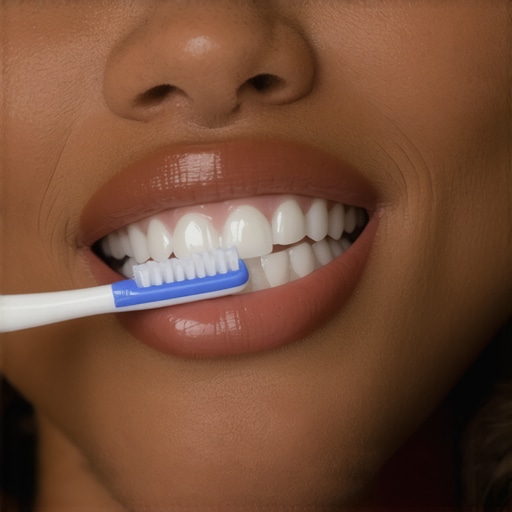 Many individuals assume that brushing twice daily and regular dental visits are sufficient for optimal oral health, but the reality is far more complex. A common misconception is that all dental restorations, such as crowns, are maintenance-free once placed. In truth, many underestimate the importance of ongoing care and the subtle signs indicating underlying issues. For example, some believe that crowns are invulnerable to decay; however, poorly cleaned crowns can develop cavities at the margins if proper hygiene isn’t maintained, leading to costly repairs. This underscores the necessity of diligent cleaning routines and regular check-ups, especially as crowns age.
Is It Really Better to Avoid Replacing Old Crowns?
Many think leaving a decade-old crown untouched is safer than replacing it, but this can be a costly mistake. Over time, crowns can develop microleakage, which allows bacteria to seep underneath and cause decay or gum irritation. An advanced practitioner understands that timely replacement or refurbishment not only preserves surrounding tissue but also prevents more extensive procedures later. External studies highlight that replacing aging crowns can significantly reduce the risk of periodontal disease progression, emphasizing proactive maintenance over complacency. For comprehensive insights on crown longevity, visit this resource.
Myth Busting Family Dentistry Myths
Commonly, people think family dentists only cater to children or that their scope is limited. This misses the nuance that family dentistry encompasses a wide range of services tailored for all ages, including complex restorative treatments, periodontal therapy, and cosmetic procedures. Yet, many are unaware that regular family dental care can identify issues like early signs of decay or gum disease before they escalate, saving time and money. Failing to seek comprehensive family dental services can result in missed opportunities for early intervention, especially since dental problems often progress silently. More details about the scope and benefits of family dentistry are available at this link.
The Pitfall of Ignoring Professional Teeth Cleaning
Skimping on professional cleanings might seem harmless, but the nuances reveal significant risks. Dental plaque and tartar buildup are not fully removable by brushing alone, particularly in hard-to-reach areas. Overlooking regular professional cleanings can lead to calcified deposits that harbor bacteria, increasing the risk of gingivitis and halitosis. Furthermore, some assume that at-home care suffices; however, studies suggest that professional cleanings can remove 90% of plaque and calculus, mitigating long-term periodontal issues. For optimal results, combining daily hygiene with periodic professional maintenance is crucial—learn more about effective home practices at this resource.Achieving optimal dental health isn’t a one-time effort but a continuous process that requires the right tools, routines, and a proactive mindset. From selecting the best equipment for daily maintenance to scheduling professional care, I’ve found that a combination of advanced tools and evidence-based practices can significantly extend the longevity of crowns and ensure overall family dental wellness.
Invest in Quality Oral Hygiene Devices
Personally, I swear by an ultrasonic water flosser, like the Waterpik Ultra, because it effectively removes plaque and debris from hard-to-reach areas, especially around crowns and braces. Unlike traditional floss, its pulsating water jets dislodge food particles and bacteria with less risk of gum irritation. Regular use of such devices complements brushing and helps maintain a clean oral environment, reducing long-term decay risks. Additionally, I recommend an electric toothbrush with a timer and pressure sensor, such as the Oral-B Genius series. It not only ensures thorough cleaning but also prevents over-brushing that can damage sensitive gum tissues or crowns.
Prioritize Professional Maintenance
Scheduling professional cleanings every six months isn’t just a routine; it’s an investment in your dental future. During these visits, your dentist can detect early signs of issues like microleakage around crowns or emerging gum problems. Regular check-ins allow for preventive interventions, such as re-cementing a loose crown or addressing minor decay before requiring extensive procedures. Don’t wait until discomfort or visible damage occurs — proactive care saves money and preserves your smile. For families, establishing a routine with a trusted family dentist ensures everyone’s oral health is monitored, and any adjustments to your care plan are made timely, supporting long-term results. Learn more about how consistent family dental visits can benefit you by visiting [family dentistry tips](https://periodontistcare.com/family-dentistry-focus-building-a-lifetime-of-healthy-smiles).
Maintain Specifics for Crowns and Restorations
One of the most overlooked aspects is the meticulous care of crowns. Regularly inspecting and adhering to proper cleaning routines—such as using a soft-bristled toothbrush and a non-abrasive fluoride toothpaste—can prevent staining or marginal decay. For added protection, I incorporate interdental brushes designed for crowns and bridges, helping me reach areas that floss might miss. External research highlights that the longevity of crowns significantly depends on consistent, careful hygiene and routine professional evaluations. Consider applying an anti-microbial rinse once daily to further inhibit bacteria that tend to hide around restorations. For detailed advice on care specifics, explore [caring for crowns](https://periodontistcare.com/caring-for-crowns-essential-tips-for-longevity-and-shine).
Track and Adapt Your Oral Routine
Keeping your routine effective over time involves monitoring what works best for your mouth. I recommend maintaining a journal of your daily practices and any oral health changes. If you notice persistent issues like sensitivity or odor, consult with your dentist about personalized solutions—be it specialized tools or adjusted cleaning habits. As technology advances, new tools like AI-powered toothbrushes and app-integrated flossers are emerging, promising even better results. Staying informed and adaptable guarantees your care evolves with your needs. Prediction for the future suggests that smart dental devices integrated with mobile health apps will become standard, enabling real-time feedback and personalized recommendations, making maintenance more efficient and less time-consuming.
Lessons That Reshaped My Approach to Family Dentistry and Smile Care
One of the most unexpected revelations I had was realizing that a superficial clean isn’t enough to maintain a healthy, confident smile—especially when crowns and restorations are involved. I used to think that brushing and occasional visits were sufficient, but I discovered that consistent, personalized routines and professional evaluations are crucial for long-term success.
Another lightbulb moment was understanding the hidden impact of diet on our oral health. Simple choices like reducing processed foods and embracing nutrient-rich vegetables made a profound difference in the longevity of my crowns and the freshness of my breath. This holistic view transformed my perspective on everyday habits and their role in dental wellness.
Finally, I learned that the key to avoiding costly repairs isn’t just about reacting to problems but proactively preventing them. Scheduling regular check-ups, investing in quality cleaning devices, and staying informed about new dental technologies have empowered me to maintain my family’s smile with confidence and peace of mind.
Tools and Resources That Elevate My Dental Routine
I trust the comprehensive guidance found in this resource on effective home practices; it offers practical tips that make daily care manageable and effective. For insights into maintaining crowns and restorations, this detailed guide has been invaluable. Additionally, my go-to device has become an ultrasonic water flosser, which tackles plaque in those tricky areas around crowns better than traditional floss. Finally, I never miss my biannual professional cleanings; they serve as an essential check-in for my family’s dental health and prevent surprises that could jeopardize our smiles.
Your Smile’s Next Chapter Starts Today
Remember, maintaining oral health and confidence is a journey, not a one-time fix. With the right routines, tools, and professional care, you can face each day with a bright, fresh smile behind your mask and beyond. Don’t wait for problems to arise—take action now and invest in your future dental happiness.