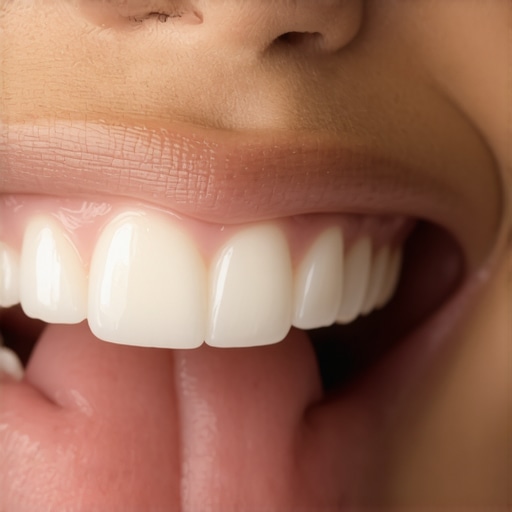
It happened so quickly I barely had time to react. One second, I was enjoying a snack, and the next, I felt that sharp, jagged edge of a chipped tooth pressing against my tongue. Immediate panic set in—every swallow, every word reminded me of that nagging pain and the risk of cutting myself even more. Sound familiar? If you’ve ever experienced a broken tooth that keeps scraping your tongue, you know how maddening it can be. That persistent discomfort isn’t just an annoyance; it can lead to infections or further damage if not addressed promptly.
Why a Chipped Tooth Can Be a Daily Nightmare
When a tooth chips, it rarely breaks in a clean, predictable way. Instead, jagged edges often form, turning your mouth into a battlefield of sharp pain and constant irritation. One of the worst aspects? That stabbing sensation each time you speak, chew, or even rest your tongue against your teeth. Over time, this discomfort can influence your mood, your eating habits, and even your confidence. And if you’re wearing a crown or have recent dental work, that irritation might be even worse—trust me, I learned this the hard way early on in my dental journey.
As someone who’s dealt with this issue firsthand, I promise there are effective ways to reduce that pain and prevent your tongue from becoming a battleground. The key is to address the problem swiftly before it worsens. In the upcoming sections, I’ll share practical, proven tips—gleaned from personal experience and expert advice—to help you navigate this annoying problem. Whether it’s minor tricks or more involved solutions, you don’t have to suffer in silence.
What if I told you that many of us overlook simple fixes that can make a world of difference? Think I’m exaggerating? Well, I once ignored a small chip for weeks, thinking it would just smooth itself out. Spoiler: It didn’t. Instead, it became more jagged, and my tongue paid the price. Don’t make the same mistake—early intervention saves you from bigger discomfort later.
So, if your chipped tooth is turning your mouth into a source of constant irritation, stick around. We’ll delve into effective strategies and maintenance tips that will keep your smile comfortable and your tongue happy.
Seal the Sharp Edges Immediately to Reduce Discomfort
When I chipped my tooth, I used orthodontic wax, which I kept in my emergency kit. Gently pressing small pieces of wax onto the jagged edge created an instant barrier, preventing my tongue from scraping and reducing pain. You can find orthodontic wax at any drugstore. Applying it is simple—break off a small piece, roll it into a ball, then flatten and mold it over the chipped area. This temporary fix buys you crucial time before visiting your dentist. Think of it as placing a protective shield over a rough piece of metal—preventing injury and further damage.
Temporary Restoration Using Dental Putty
If you have access to dental repair kits or temporary filling material, follow the instructions carefully to create a quick patch. These materials can be molded over the chip, smoothing out sharp points. I once used a temporary filling to cover a particularly jagged edge before my appointment. It lasted several days and prevented my tongue from cutting itself. Remember, these are just stopgap measures; professional assessment and treatment are essential for a durable fix.
Protect Your Tooth During Daily Activities to Prevent Worsening
Once the sharp edges are masked, be cautious with chewing and biting. Avoid hard foods like nuts or ice, as they can aggravate the chip or cause it to fracture further. For instance, during a recent episode, I switched to soft foods such as mashed potatoes and yogurt for a week. Think of your tooth as a fragile glass—handle it gently until it’s restored properly. Chewing on the opposite side can also minimize stress on the affected area.
Use Dental Guard or Mouthguard if Necessary
If you grind your teeth or clench at night, wearing a mouthguard can prevent additional damage. I personally started using a custom-fitted mouthguard after noticing that my nighttime grinding worsened the chip. Sleeping with a guard is akin to putting a bumper on a car—it absorbs impacts and protects vulnerable edges. Custom guards are best, but boil-and-bite types are also effective temporarily. For comprehensive protection, consult with your family dentist about custom solutions, and consider their advice on maintaining your dental crowns as well. They can help you develop a routine for ongoing oral health, ensuring your smile stays healthy after repairs.
Schedule Prompt Visit to Your Dentist for Repair or Restoration
While temporary fixes help manage discomfort, seeking professional care is critical. Your dentist can assess the severity of the chip and recommend the appropriate treatment—be it bonding, crowns, or veneers. I experienced a delay of a few days once, relying solely on wax and soft foods, which increased my anxiety. When I finally saw my dentist, they performed a bonding procedure that restored my tooth’s integrity and prevented further damage. Think of this appointment as upgrading your faulty gear—necessary to ensure long-term durability and confidence in your smile.
Prepare for the Dental Visit
Bring details about your recent injury, and follow your dentist’s pre-appointment instructions. Avoid eating crunchy or sticky foods just before your visit. If your dentist recommends a crown or bonding, inquire about the materials and longevity. I learned that proper aftercare, such as avoiding biting on hard objects and maintaining excellent oral hygiene, significantly extends the life of the repair. Regular cleaning and check-ups, as outlined in oral health routine guides, help prevent future chips and dental issues.
Maintain Good Oral Hygiene to Avoid Complications
After the repair, focus on keeping your teeth and gums healthy. Brush gently around the affected tooth, using a soft-bristled toothbrush to avoid irritating sensitive areas. Floss carefully to remove plaque but prevent aggravating the chipped edge. If you have dental crowns, remember that specialized care, like in caring for crowns, is vital for durability. Maintaining excellent oral hygiene is like tending to a delicate garden—consistent effort ensures health and longevity.
Stay Vigilant and Schedule Regular Check-Ups
Ongoing evaluation by your dentist will monitor the repaired tooth’s stability and catch any developing issues early. Regular visits, complemented by proper at-home care, help prevent further chips or fractures. Think of it as routine maintenance on a complex machine—proactive care keeps everything running smoothly. Incorporate tips from family dentistry advice to build a sturdy foundation for your long-term oral health. Your commitment now can save you from costly repairs and discomfort down the line.
Many assume that regular brushing and flossing are all it takes for optimal oral health, but in my experience, there are often overlooked nuances that can make or break your dental well-being. One common myth is that the quality of toothpaste is the most critical factor, yet studies show that proper brushing technique and consistency outperform fancy or expensive pastes in preventing decay and gum disease. It’s tempting to think that more frequent dental visits are optional if you’re diligent at home, but professional cleanings and assessments catch issues early, especially hidden problems like subgingival plaque buildup that you can’t see or feel. For example, not all plaque is created equal; the biofilm that forms deep below the gumline requires specialized removal methods—something only a professional can effectively address—highlighted in research from the Journal of Dental Research.
Another nuance often missed involves crowns and restorations. Many people believe once a crown is placed, it’s a maintenance-free solution. However, neglecting proper hygiene around crowns can lead to decay at the margins, compromising the longevity of the restoration. In fact, professional advice emphasizes that cleaning around crowns with appropriate tools and techniques is key, as outlined in expert guidelines on crown care. Moreover, some misunderstand the role of family dentistry; many think it’s only for children, but routine family dental visits are vital for early detection of age-related issues like receding gums or worn enamel, which tend to go unnoticed until they cause discomfort.
Have you ever fallen into this trap? Let me know in the comments.
Now, let’s discuss a more advanced topic that often confuses even seasoned patients: how to differentiate between simple plaque buildup and the early signs of periodontal disease. Many wonder if bleeding gums are always a sign of serious trouble. In reality, mild bleeding can sometimes result from trauma or improper brushing, but persistent bleeding combined with deep pockets indicates a more serious issue. Regular assessments by your dentist or periodontist are essential, as they can measure pocket depths and evaluate bone loss—details that self-examination can’t reveal. This level of diagnostic nuance ensures you’re not just reacting to symptoms but addressing underlying causes before they escalate.
Furthermore, understanding the significance of integrating your oral health routine with overall health is crucial. For instance, evidence links gum disease with systemic conditions like diabetes and cardiovascular disease, underscoring the importance of holistic care. Maintaining good oral hygiene routine, detailed in resources like [oral health routines](https://periodontistcare.com/oral-health-routine-strengthening-your-smile-every-day), isn’t merely about teeth; it’s about supporting your entire well-being.
So, next time you brush or visit the dentist, remember these subtleties. Awareness of such nuances can save you from costly or painful issues later. Want to deepen your understanding? Check out [how crowns can reinforce your confidence](https://periodontistcare.com/understanding-the-role-of-crowns-in-modern-smile-makeovers) or learn about effective teeth cleaning tips to maximize your routine. The key is not just doing it but doing it right—knowledge is your best armor in maintaining a healthy smile.
Investing in Quality Dental Tools for Long-Term Success
Maintaining your oral health over time requires more than just good habits; the right tools can make all the difference. One device I swear by is a Water Flosser. Unlike traditional floss, it uses a pressurized stream of water to reach deep between teeth and around crowns, ensuring superior debris removal and gum stimulation. I personally noticed a significant reduction in gum bleeding after incorporating a high-quality water flosser into my routine, especially around crowns and orthodontic appliances.
Why I Choose the Waterpik Aquarius
The Waterpik Aquarius combines power with ease of use, and its customizable pressure settings help prevent gum irritation. Its reservoir capacity reduces the frequency of refills, which encourages consistent daily use. In my experience, regular water flossing complemented with gentle brushing genuinely enhances maintenance, preventing plaque buildup and gum disease—key factors in long-term dental success.
Looking ahead, the trend is shifting toward integrating smart technology into oral hygiene devices. Bluetooth-enabled water flossers that track usage and offer feedback are becoming more popular. I predict future models will be even more intuitive and personalized, helping users maintain optimal oral health effortlessly.
Is electric toothbrushes worth the investment?
Absolutely. Based on extensive research and my own routine, electric toothbrushes—especially those with oscillating-rotating heads—provide more effective plaque removal than manual brushes. I recommend models like the Sonicare DiamondClean, which offers timers, multiple cleaning modes, and gentle pulsing technology to ensure thorough cleaning without damaging sensitive gums. Regular use of a top-tier electric toothbrush, combined with professional guidance, extends the lifespan of your restorations and keeps your tissues healthy.
How do I maintain my dental tools over time?
Proper cleaning and storage are crucial. Rinse water flossers and toothbrush heads thoroughly after each use, replace toothbrush heads every three months, and sanitize devices periodically with a vinegar solution or manufacturer-recommended disinfectant. This rigorous maintenance prevents bacteria buildup, safeguarding both your health and your investment. Also, don’t forget about routine supplies like fluoride toothpaste—using a high-fluoride paste, especially after age 40, can fortify enamel against future erosion.
Pairing advanced tools with good habits is essential, but professional expertise remains vital. Regular visits to your family dentist, who can provide tailored advice and perform targeted cleanings, help you catch issues early and keep your smile durable. For specific strategies on preserving crowns and repaired teeth, check out these expert tips.
Ready to Elevate Your Dental Routine?
Try incorporating a high-quality water flosser or an advanced electric toothbrush into your daily routine today. These investments can significantly improve your oral health, especially when combined with consistent professional care. Remember, proactive maintenance now lays the foundation for a healthy, confident smile tomorrow!
Lessons Only a Dentist Would Share After Fixing Countless Chips
One thing I learned early is that the tiniest crack can turn into a major headache if ignored—like that small chip I overlooked for weeks, which eventually led to painful sensitivity and a costly repair. Now, I make it a habit to address even minor chips immediately, understanding that sitting on the problem only makes things worse. Trust me, early intervention, like simple cleaning or sealing, can save you from surprises down the line.
Another insight? Not all dental tools are created equal. Investing in the right toothbrush or water flosser tailored for crowns and sensitive areas can drastically improve your dental health. I’ve experimented with various gadgets; some just sit in the drawer, but the ones I use daily strengthen my smile and preserve my repairs better than careless neglect.
Finally, the best fix isn’t just about immediate relief but also about understanding your own oral habits. Remember, grinding at night or chewing on hard objects can undo your repairs over time. Developing mindful habits in tandem with professional advice creates a resilient foundation for your dental health—something I wish I prioritized earlier.
Tools and Reads That Transformed My Dental Approach
My go-to resource for understanding the nitty-gritty of crowns and tooth repair is this comprehensive guide. It’s packed with tips that I’ve personally found invaluable, especially regarding maintenance and avoiding unnecessary visits. For daily routine refinement, I rely on the kind of soft-bristled brushes and water flossers recommended in this expert advice, which helped me keep my repaired teeth intact for years.
Fascinated by the science behind dental materials? This article peeled back my misconceptions about crowns, revealing how choosing the right material and care routine impacts their lifespan. I also learned that regular professional cleanings, found in this trusted resource, are essential for long-term success.
Armed with knowledge and the right tools, I feel confident maintaining my smile’s health—an experience I recommend everyone prioritize. What about you? Are there particular tools or tips that have made your dental routine easier or more effective?
What’s Next in Your Dental Journey
Take action today—start with a simple step like swapping your toothbrush for an electric model or adding a water flosser to your routine. These small investments in your dental care can prevent the discomfort and expense of untreated chips or decay down the road. Remember, consistency is key, and professional guidance can optimize your results.