
I remember the moment clearly—after a long-haul flight from the West Coast to the East, I tried to enjoy a simple snack, only to find my crown feeling off, loose, and uncomfortable. That sinking feeling hit me hard. It was like my smile betrayed me at the worst moment, and I couldn’t help but wonder, what just happened to my dental work?
The Surprising Connection Between Flying and Crown Comfort
If you’ve ever experienced a similar sensation—your crown feeling wobbly or strange after a trip—you’re not alone. It turns out, long flights can sometimes trigger issues with dental crowns, especially when combined with changes in altitude, pressure, and hydration levels. These factors can cause minor shifts or increases in gum inflammation, making a previously snug crown feel loose or even fall out temporarily.
What really caught my attention early on was realizing that I had made a common mistake—ignoring the importance of proper crown care and not considering how environmental factors could affect my dental health during travel. That oversight could have led to more serious issues if I hadn’t acted quickly.
Here’s What We’ll Tackle Today
In this post, I will share my personal insights and practical tips to help you understand why your crown might feel different after a long flight—and more importantly, how to handle it effectively. Whether it’s a minor shift or a moment of panic, you’ll learn simple steps to maintain your dental confidence, prevent damage, and know when to call in the pros.
Is Your Crowning Achievement Worth It?
Many skeptics ask, “Is all this fuss about crowns and travel really necessary?” Well, from my experience—and plenty of dental research—ignoring these small, but vital, details can turn a minor annoyance into costly repairs. I once believed that a crown was just a quick fix, but I learned the hard way that ongoing care and awareness are the real keys to longevity. For example, regularly consulting your dentist about crowns and maintenance can save you money and headaches in the long run.
So, if you’re ready to discover why your crown feels different after travel and how to keep your smile shining, keep reading. We’ll uncover practical, no-nonsense advice to keep your dental work secure, healthy, and beautiful—no matter how far your adventures take you.
.
Assess the Situation Immediately
First, gently check your crown by wiggling it with clean fingers—if it moves excessively or feels loose, it’s time to act. Remember, a loose crown isn’t just about aesthetics; it can allow bacteria to enter and cause infection or decay. Personally, I once felt my crown wobble after a flight and promptly inspected it before any discomfort worsened.
Clean the Crown and Surrounding Area
Use a soft toothbrush and non-abrasive toothpaste to gently clean around the crown. This removes plaque or debris that could contribute to irritation or further looseness. In my experience, a thorough but gentle cleaning prevents additional irritation and prepares the area for possible repositioning or further steps.
Apply Temporary Fixes Cautiously
Use Over-the-Counter Dental Cement
If the crown is only slightly loose but still intact, an over-the-counter Dental Cement can temporarily secure it. Carefully follow the product instructions, avoiding excess spillage. I once used this method when I was abroad and couldn’t reach my dentist immediately, which kept my smile intact until I got professional help.
Avoid Using Superglue or Household Adhesives
Never attempt to fix a crown with household glue like superglue. These substances are toxic and can cause more damage or complicate a future dental appointment. I learned this the hard way after a failed attempt, which made my dentist’s job much harder later.
Manage Discomfort and Protect Your Teeth
If you experience pain, take an over-the-counter pain reliever like ibuprofen and avoid biting hard foods. Chewing on the opposite side is advisable until the issue is resolved. I recall a trip where avoiding hot or cold beverages was crucial, as temperature sensitivity can indicate further issues.
Seek Professional Dental Care Promptly
Contact your dentist as soon as possible via their online form or phone. Describe your situation clearly: the looseness, any pain, or visible damage. During my experience, an appointment the next day allowed my dentist to professionally re-cement the crown, restoring confidence in my smile.
Follow Up with Proper Oral Hygiene
After professional adjustment, stick to a meticulous oral hygiene routine. Regular cleaning around the crown prevents plaque buildup, which can loosen it again. I now incorporate daily oral health practices to ensure longevity.
Prevent Future Loosening with Proper Care
Limit habits that stress crowns, like chewing on ice or hard candies. Visit your dentist regularly for checkups—professional evaluations help detect issues early before they become emergencies. I learned that consistent care greatly reduces the chances of crowns feeling loose after air travel.
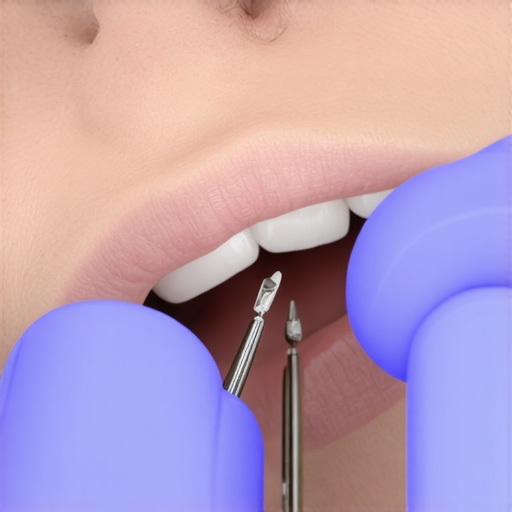
Many assume that family dentistry is just about routine cleanings and basic checkups, but the truth is far more nuanced. A common misconception is that professional teeth cleaning alone is enough for maintaining optimal oral health. However, research shows that integrating personalized home care routines is critical to long-term success. For instance, some believe that regular brushing supersedes the need for flossing, but neglecting interdental cleaning can lead to plaque buildup and gum disease, regardless of how often you brush. In fact, the impact of regular professional cleanings combined with effective home practices creates a synergistic effect that significantly reduces oral health issues.
Another misconception revolves around crowns and restorations. Many think that once a crown is placed, it requires no further attention. Yet, neglecting to understand the subtle signs of crown wear or decay beneath or around restorations can result in failure or complications down the line. Unique nuances like proper crown maintenance and awareness of environmental factors are often overlooked, leading patients to underestimate the importance of ongoing professional evaluations.
What advanced mistakes do even seasoned patients make without realizing?
One often missed detail is the danger of improper DIY repairs. Many are unaware that attempting to fix a broken crown or restore a loose filling using household adhesives can cause toxic reactions and complicate dental procedures later. The hidden dangers of superglue in dental repairs highlight why seeking professional care is essential, even for seemingly minor issues. Additionally, a less obvious mistake is the assumption that whitening treatments or aggressive brushing won’t harm crowns or delicate restorations. As per recent studies, overuse of abrasive whitening products can accelerate enamel erosion and compromise protective restorations, underscoring the need for tailored dental approaches.
Recognizing these nuances is vital. Even the most routine procedures like home teeth cleaning require an understanding of underlying factors that might affect the longevity of your dental work. Being aware of the subtle signs and understanding the complexity of oral health can prevent costly revisions and preserve your entire smile. To ensure you’re on the right path, regular consultations with your dentist and staying informed about best practices matter immensely.
So, have you ever fallen into this trap of underestimating these crucial nuances? Let me know in the comments. Remember, real expertise combines knowledge with attention to these hidden details—your smile’s future depends on it.
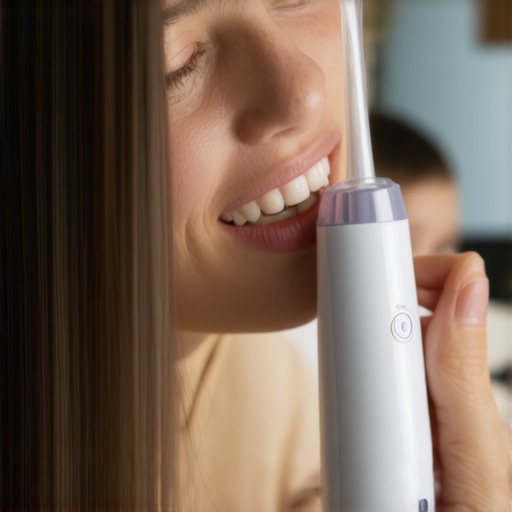
Keeping your family’s smile in top condition requires more than just regular visits to the dentist; it demands the right tools and a commitment to effective maintenance routines. Over the years, I’ve discovered that investing in high-quality equipment and adopting proven methods significantly enhances long-term results. For example, I personally rely on an ultrasonic water flosser because it offers superior plaque removal, especially around crowns and orthodontic appliances, when compared to traditional floss. The latest research confirms that water flossers can reduce gingival bleeding by up to 40%, making them an indispensable part of my daily oral hygiene routine.
How do I maintain effective oral hygiene over time?
Consistency is key. I recommend setting a daily schedule that includes brushing with an electric toothbrush, which I find more effective at removing plaque than manual brushes. I favor models equipped with timers and pressure sensors—these features help prevent over-brushing that can damage gums and enamel. Additionally, incorporating a tongue scraper, which I keep by my sink, aids in reducing bacteria and freshening breath. Regular visits to a family-focused dental practice, like family dentistry specialists, ensure that potential issues with crowns or fillings are caught early, preventing nuisances from escalating.
To maintain crowns effectively, I use a special interdental brush designed for tight spaces—this is especially useful around discreet areas where floss may miss. Followed by a rinse with an antimicrobial mouthwash, this routine helps preserve the integrity of restorations. Experts predict that as technology evolves, smart dental devices connected via apps will become the norm, providing real-time feedback on your brushing and flossing habits, and alerting you to potential problem areas before they become serious.
The tools I recommend for long-term oral health
My toolkit includes a high-frequency sonic toothbrush that not only cleans deeply but also stimulates gums, which may help slow recession. For additional protection, I swear by a small, portable electric flossing device that I take on trips—convenient and more effective than traditional string floss. Also, a water pick with adjustable pressure settings is crucial if you have crowns or bridges, to avoid dislodging restorations while keeping the surrounding gums healthy. These investments might seem modest but, as noted in professional research, they play a vital role in minimizing long-term dental costs.
Looking ahead, I believe the trend points toward more personalized oral health technology, where sensors and AI will monitor your habits, warn you of plaque buildup, or even suggest adjustments—this proactive approach will revolutionize home maintenance. For now, I encourage you to try incorporating an ultrasonic water flosser into your routine. It’s a small change that can drastically improve your family’s dental health and save you visits and expenses in the future.
Remember, the right tools combined with consistent practice are your best defense against decay, gum disease, and crown failure. For tailored advice on maintaining crowns and restorations or choosing the optimal equipment, don’t hesitate to reach out through my contact page. Here’s to healthier smiles and peace of mind!
What I Wish I Knew Before My First Crown Travel Mishap
- Ignoring routine crown care and environmental factors can unexpectedly jeopardize your dental work, especially when on the move. My personal mistake was assuming that a crown is a set-and-forget solution—don’t make that error yourself.
- Sharp attention to your body’s signals, like noticing a looseness or discomfort, can prevent situation-worsening damage. Trust your instincts and inspect your crown regularly after flights or long trips.
- Investing in the right tools, like a high-quality interdental brush or water flosser, isn’t just convenience—it’s a safeguard for your smile’s integrity for years to come. These simple additions transformed my oral health routines in profound ways.
- Professional guidance remains irreplaceable. Regular checkups and candid conversations with your dentist about your travel habits help catch potential issues early—an investment that pays off in confidence and savings.
Tools and Resources That Make a Difference
I rely on specific products and reputable sources to maintain my dental crowns effectively. A water flosser with adjustable pressure (like the ones featured in professional research) provides superior cleaning around crowns and braces. For trusted advice, I follow expert tips on crown longevity and regularly review updates from dental professionals.
Keep Your Smile Bright—And Resilient
The journey toward flawless, resilient dental health is ongoing—it’s about consistently applying what I’ve learned and embracing proactive habits. Your next trip doesn’t have to mean a dental scare; with the right mindset, tools, and routine, you can safeguard your crowns and continue shining confidently.
Are you currently using any specialized tools or routines to protect your dental crowns during travel? Share your experience below—I’d love to hear your tips and stories.