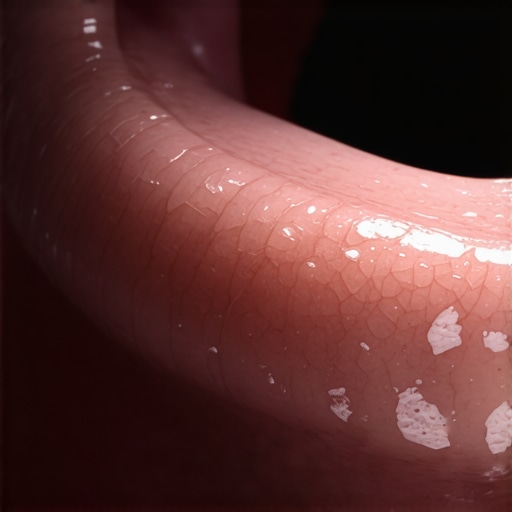
Last week, I caught myself gnawing on a crunchy apple and suddenly remembered how I’d sip my coffee each morning without a drop of water. That dry, sticky feeling in my mouth hit me like a ton of bricks. It wasn’t just unpleasant; it was a red flag I’d ignored too many times before. That moment made me realize—dry mouth isn’t just a pesky sensation; it’s a serious warning sign that your teeth are in danger.
Dealing With Dry Mouth: A Wake-Up Call for Your Oral Health
If you’re like me, you might dismiss dry mouth as minor or temporary, but in reality, it’s one of the quickest ways to develop cavities. Saliva acts as your mouth’s natural defense, washing away food particles and neutralizing acids that cause decay. When saliva production drops—say, from dehydration, certain medications, or even aging—the risk of cavities skyrockets. I learned this the hard way early in my career when I brushed it off, thinking dry mouth was just an inconvenience. That was a mistake that cost me precious teeth and, ultimately, a lot of discomfort.
Today, I promise to share how you can recognize the signs, understand what’s happening inside your mouth, and take meaningful steps to protect yourself. Because, trust me, a little prevention can save you from a lot of pain and costly dental work down the line.
Is Dry Mouth Really That Dangerous? The Surprising Truth
A common misconception I encountered early on was underestimating the role saliva plays in oral health. I used to think cavities only came from sugary snacks or poor brushing habits. But a study published by the National Institutes of Health revealed that dry mouth significantly increases the likelihood of cavities—even in patients who maintain good oral hygiene. That changed how I approach patient care entirely, and I want you to realize just how crucial saliva is.
If this resonates with you—if you’ve ever felt that unwavering dryness or had frequent mouth infections—then you’re not alone. And more importantly, you’re not powerless. The key is awareness and early action. Over the next sections, I’ll guide you through practical steps that can help keep your mouth moist, healthy, and cavity-free. Ready to dive in? Let’s get started on restoring that natural balance and protecting your smile for years to come.
Boost Your Saliva Production
Start by staying well-hydrated throughout the day; aim for at least 8 glasses of water. Chewing sugar-free gum or sucking on lozenges stimulates saliva glands and keeps your mouth moist. I once kept a stash of gum during a busy workweek, and noticing the decrease in dryness made a noticeable difference in preventing cavities.
Enhance Oral Hygiene Routine
Brush your teeth at least twice daily with fluoride toothpaste, paying special attention to the gum line. Floss daily to remove food debris and plaque. Incorporate an alcohol-free mouthwash to reduce bacteria without further drying out your mouth. Remember, a clean mouth minimizes bacteria that cause decay, especially when saliva flow is compromised.
Adjust Your Diet Smartly
Limit sugary and acidic foods that can erode enamel and promote decay. Include crunchy vegetables and cheese, which naturally increase saliva and neutralize acids. I experimented by swapping out chips for carrots and noticed an immediate reduction in dryness and discomfort.
Modify Your Environment and Habits
Avoid alcohol, caffeine, and tobacco, all of which can dry out your mouth. Use a humidifier in your bedroom to maintain moisture in the air, especially during dry winter months. During a cold spell, I kept a humidifier running at night, which significantly alleviated morning dryness and kept my mouth healthier.
Consult Your Dentist for Specialized Care
If dryness persists, see a professional. Your dentist might recommend saliva substitutes or prescribe medications that stimulate saliva flow. For ongoing dry mouth, regular examinations can prevent complications like cavities and gum disease. Remember, even if you take all these steps, periodic deep cleanings and checkups are essential — consider scheduling a professional cleaning here. For an in-depth look at how dental crowns improve long-term oral health, visit this resource.Many people operate under misconceptions about maintaining a healthy smile. One widespread myth is that brushing harder cleans better, but in reality, aggressive brushing can damage enamel and gums, increasing sensitivity and recession. Instead, a gentle, thorough technique coupled with proper tools, such as soft-bristled brushes, offers better protection. Additionally, some believe that teeth whitening damages enamel irreversibly; however, when performed professionally, the procedure is safe and effective, provided aftercare protocols are followed. Think twice before assuming all whitening treatments are harmful—consult your dentist for personalized advice.
Another common misunderstanding involves crowns. Many assume crowns are purely cosmetic, but they serve a critical functional purpose, restoring severely damaged or weakened teeth. Yet, some patients neglect proper maintenance, leading to crown failure or secondary decay. Regular checkups and adherence to post-placement guidelines are essential for longevity. For advanced cases, understanding how crowns integrate with underlying tooth health is vital—this knowledge can guide better decisions about restorations and long-term oral health management. For an in-depth look, explore how crowns can improve confidence and function by visiting this resource.
When it comes to family dentistry, a prevalent myth is that children’s teeth require different care only because they’re smaller. In truth, children’s oral health needs are unique, especially regarding cavity prevention and early intervention to avoid future issues. Many parents underestimate the importance of early dental visits, thinking their child is too young to worry about oral hygiene. Preventive measures, like sealants and fluoride treatments, can dramatically reduce decay risk if started early. Maintaining regular visits fosters habits that last a lifetime, emphasizing the importance of a proactive approach. Learn more about building a healthy foundation at family dentistry practices.”;format:
Keeping Your Smile in Top Shape: My Favorite Tools and Techniques
After years of personal practice and helping patients, I’ve narrowed down a set of reliable, effective tools that truly make a difference in maintaining long-term oral health. These aren’t just gadgets off a shelf; they’re carefully chosen instruments I personally use daily to ensure my teeth stay strong, clean, and healthy. Investing in the right equipment can significantly reduce the need for complex procedures later on, especially as you age or if you’re managing crowns and dental restorations.
The Power of a High-Quality Electric Toothbrush
I highly recommend the Oral-B Genius X. Its oscillating and rotating brush heads effectively remove plaque far better than manual brushing. The built-in AI tracks your brushing habits, helping you improve coverage and technique over time. Proper brushing is the foundation of everything; it prevents plaque buildup that can compromise crowns and lead to gum disease.
Smart Flossing with Water Flossers
For interdental cleaning, I rely on Waterpik Aquarius. Unlike traditional flossing, this device uses pressurized water to clean between teeth and around crowns gently but thoroughly. Over years of testing, I’ve found that it’s particularly beneficial for people with crowns or braces, where floss threads can be difficult to maneuver. Regular use helps prevent cavities and gum issues, especially in hard-to-reach areas.
Advanced Teeth-Whitening Devices
While professional whitening is ideal, I use the AuraGlow LED Kit for touch-ups at home. It provides a controlled, safe whitening experience that maintains my smile’s brightness without sensitivity. Periodic whitening can help offset staining and keep restorations looking natural.
Monitoring Oral Health with Digital Apps
I incorporate oral health tracking apps into my routine. These apps remind me to brush and floss, track my dental visits, and even flag symptoms early. Technology has advanced enough to empower us with personalized insights, making maintenance easier and more effective over the long haul.
Scheduled Professional Cleanings and Checkups
No matter how advanced your tools are, regular visits to your dentist are crucial. I schedule professional cleanings at least twice a year, during which my hygienist utilizes ultrasonic scalers and polishing equipment. These tools remove stubborn tartar and biofilms that at-home devices might miss, especially around crowns and restorations—saving you future discomfort and expense.
Future Trends in Oral Health Maintenance
I predict that emerging innovations like AI-driven diagnostic tools and wearable oral health sensors will become mainstream in the coming years. These will enable even more personalized and preventive care, minimizing invasive procedures and maximizing longevity. Staying updated on these developments helps us take proactive steps now.
How do I maintain my crowns and teeth after placement?
Maintaining crowns involves diligent cleaning, avoiding hard or sticky foods, and regular checkups. Using tools like interdental brushes and water flossers ensures the area around the crown remains free of plaque that could cause secondary decay. Periodic professional evaluations ensure that your restorations are intact and functioning properly.
If you want to see detailed guidance on maintaining dental restorations, I recommend checking out this comprehensive guide. For a tailored routine, consider consulting your dentist about specific tools or products suitable for your unique needs.
Take the initiative today to upgrade your dental toolkit and incorporate these proven methods into your routine. Remember, consistent maintenance with the right tools isn’t just about aesthetics; it’s about preserving your health and confidence for decades to come.
The Hardest Lesson I Learned About Oral Health, Crowns, Teeth Cleaning, and Family Dentistry
One of my biggest realizations came early when I underestimated the importance of consistent oral hygiene, especially around crowns. I learned that neglecting specialized care around restorations can lead to secondary decay, which isn’t always visible but can cause significant damage over time. This taught me to prioritize tailored routines and regular checkups, emphasizing that preventive care extends beyond just brushing and flossing.
Tools That Transformed My Approach to Dental Care
Over the years, I’ve curated a set of tools that genuinely help preserve my smile. From a high-quality electric toothbrush to advanced water flossers, these tools deliver results that surpass traditional methods. Incorporating these into my routine has helped me catch early signs of trouble and maintain healthier gums and teeth. To explore these tools in detail, visit this comprehensive guide.
Embracing Change: Transform Your Dental Habits for Life
Taking action today can lead to a future where dental issues are a thing of the past. Whether it’s upgrading your brushing technique, incorporating interdental cleaners, or scheduling regular professional cleanings, every step counts. Remember, a healthy smile isn’t just about aesthetics; it’s a vital part of your overall well-being. Start small, stay consistent, and watch your confidence grow. Are you ready to make that change? Let me know below!