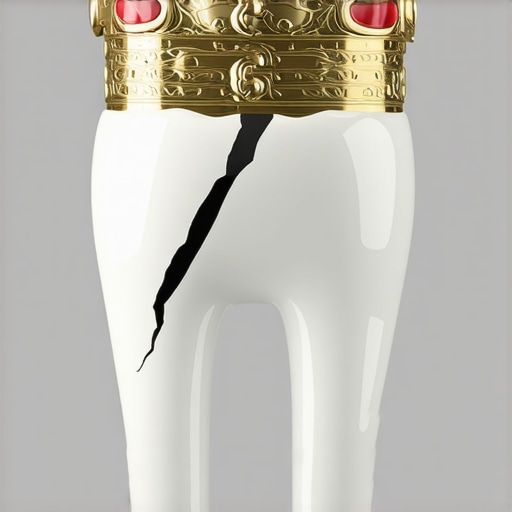
I remember the moment quite clearly. I was biting into an apple, feeling a sharp jolt of pain that shot through my jaw—a sensation I dread, yet knew all too well. Turns out, that cracked molar had been hiding its damage for months, slowly weakening until one wrong bite triggered a crisis. It was a lightbulb moment for me: sometimes, our teeth need more than just a filling or regular cleaning; they need a crown to truly save them. That experience made me realize how critical it is to recognize early signs of damage, and more importantly, to understand why a crown might be the only way to preserve your natural smile.
Why Choosing the Right Solution for a Cracked Molar Matters
Many folks underestimate the severity of a cracked molar, believing it’s just a minor fracture that can wait. But ignoring it can lead to more extensive damage, infections, or even tooth loss. The thing is, once a crack begins to deepen, your options narrow. A crown acts like a tough, protective cap—shielding the remaining tooth structure from further harm and restoring its function. From personal experience and professional advice, I can tell you that early intervention often saves you from more invasive procedures later on. If you’re unsure whether your cracked tooth warrants a crown, it’s worth visiting a trusted dentist to get a comprehensive assessment. For a deeper understanding of how crowns can truly transform your smile, check out their detailed role at Understanding the role of crowns in modern smile makeovers.
Is a Crown Really Our Only Choice for Deep Damage?
This is a common worry. I used to think that if my tooth was cracked, a filling would suffice. I learned the hard way that this is a mistake. A filling might be enough for small chips or superficial cracks, but for more substantial damage—especially ones that run deep toward the nerve—a crown becomes essential. It’s not just about patching things up; it’s about reinforcement. Trust me, I’ve seen people neglect timely treatment, only to face painful and costly root canals later. Properly applied, a crown not only extends the life of your tooth but preserves your bite, speech, and confidence. Remember, my journey taught me that being proactive with repairs is the best strategy. If you’re curious about other ways to protect your teeth, explore oral health routines for daily strength.
Start with Gentle Oral Hygiene Practices
Imagine your crown as the crown jewel of your dental health; you want to keep it shining and intact. Begin by brushing twice daily with a soft-bristled toothbrush to prevent gum irritation and avoid damaging the crown’s surface. Floss carefully around the crown, making sure to remove plaque without applying excessive pressure. For detailed guidance on maintaining crowns, visit tips for lasting crown results.
Choose the Right Dental Products
Switch to a Non-Abrasive Toothpaste
Use a toothpaste specifically formulated for crowns and veneers—they are gentler and help maintain shine. Avoid whitening toothpaste with abrasive particles that can erode the surface of the crown prematurely. Remember, a micro-scratched crown not only looks dull but can harbor bacteria, risking decay underneath. For product recommendations, check expert advice.
Incorporate Daily Flossing Routines
Flossing isn’t just about removing stuck particles; it’s about safeguarding your investment. Gently slide the floss between your teeth and the crown, ensuring you clean the sides thoroughly. This prevents plaque buildup that can lead to gum disease and potential crown failure. Remember, consistent hygiene preserves your smile’s integrity.
Watch Your Diet and Habits
Limit sugary and acidic foods that can accelerate decay or cause erosion. Chewing ice or biting on hard objects strains your crown, risking cracks or dislodgement. Instead, opt for softer foods during recovery or when dealing with sensitive areas. A personal story: I once accidentally bit into a hard nut, and the crown cracked—prompt action saved me from costly repairs. Being mindful of habits is pivotal for longevity.
Schedule Regular Dental Check-Ups
Routine professional cleanings and inspections are essential. Dentists can detect early signs of wear or decay beneath or around the crown, acting before issues escalate. Consider it akin to routine car maintenance—preventative care extends the life of your investment. Regular visits also allow your dentist to professionally clean areas you might miss at home, ensuring your entire smile remains healthy.
Avoid Using Superglue or DIY Fixes
Some might be tempted to fix a loose crown with household adhesives—that’s a mistake. Superglue or similar products are not sterile, can cause further damage, and make professional repair difficult. Instead, if your crown feels loose or is causing discomfort, contact your dentist promptly. Proper intervention leads to better outcomes and preserves your natural teeth.
Many people operate under the assumption that if they brush regularly and visit the dentist occasionally, their oral health is fully optimized. However, even well-intentioned habits can be based on misconceptions that hinder true dental wellness. One prevalent myth is that flossing is unnecessary if your teeth look clean, but recent research indicates that flossing daily significantly reduces plaque and gingivitis beyond brushing alone. Another misconception involves the idea that whitening products are harmful; in reality, when used correctly, professional-grade whiteners are safe and effective for maintaining a bright smile. Moreover, a surprising common error is neglecting regular check-ups for fear of unnecessary procedures—yet, routine exams can catch issues like hidden cavities or early gum disease that are easily treatable if identified early. By understanding these nuances, you can avoid pitfalls that compromise your dental longevity. For example, many don’t realize that crowns, when properly cared for, can last decades and contribute to overall oral health; neglecting maintenance can lead to premature failure, prompting unnecessary replacements. To shed light on this, check out caring for crowns for longevity. Recognize that some think professional cleanings are optional if they brush daily, but experts agree that dental professionals can remove tartar and plaque in areas hard to reach with brushing alone, reducing the risk of decay and gum disease. A common ‘oops’ is attempting DIY fixes for dental issues, which can cause more harm than good. For instance, trying to reattach a loose crown with superglue can lead to infection or irreversible damage. Instead, promptly consult a dentist who can provide proper repair strategies—see best practices for crown maintenance. For those curious, a more advanced question involves understanding how systemic health impacts oral disease progression. Studies reveal that conditions like diabetes intensify periodontal problems, making integrated care essential—review diabetes and oral health for insights. It’s vital to move beyond surface-level knowledge and recognize that dental health is multi-layered, interconnected with overall wellness. Have you ever fallen into this trap? Let me know in the comments.Maintaining your oral health over the long term requires the right tools and a dedicated routine. Personally, I swear by using an ultrasonic scaler regularly, as it effectively removes plaque buildup that manual toothbrushes might miss, especially around crowns and hard-to-reach areas. For daily cleaning, I recommend the Waterpik Sonic-Freeze, which combines water pressure and sonic technology to clean interdental spaces thoroughly, reducing the risk of gum disease and decay under restorations like crowns. Incorporating fluoride varnish treatments at home, as advised by professionals, provides an extra layer of protection against decay, particularly for those with crowns or sensitive teeth. As technology advances, smart toothbrushes like the Philips Sonicare DiamondClean are becoming essential—they track your brushing habits and ensure you’re covering all zones effectively. I also use a tongue scraper each morning to remove bacteria that can cause bad breath and contribute to decay. Looking ahead, I predict that integration of AI-driven dental monitoring devices will become commonplace, offering real-time feedback and personalized advice to help us maintain optimal oral health between visits.
How do I maintain my dental tools and stay ahead in oral care?
Regularly cleaning and replacing your tools is crucial. For example, replacing your toothbrush or brush head every three months prevents bacteria buildup and maintains effective cleaning. Disinfect your electric toothbrush heads with antibacterial solution weekly, as recommended by dental studies, to avoid harboring harmful microbes. Additionally, scheduling biannual professional cleanings ensures deep plaque removal that even the best equipment at home can’t achieve. Visiting your dentist not only keeps your crowns in check—checking for wear or damage—but also allows for professional advice on the latest tools tailored to your needs. Keep in mind that using the right software, like dental health apps, can log your routines, remind you of replacements, and track your progress over time, making maintenance more manageable and effective. For guidance on choosing the best tools and routines, consult resources such as best practices for crown maintenance. Don’t forget, consistent care today is the best investment in your smile’s future. Try adding a sonic toothbrush into your daily routine and notice how much easier it becomes to keep your teeth and crowns working smoothly for years to come.
Lessons That Changed My Approach to Dental Care
One of the most impactful lessons I discovered is that even the best crown won’t last forever without proper maintenance. Regular check-ups and gentle daily routines are essential in extending its lifespan and preserving your natural smile. I also realized that educating myself about the materials used in crowns, like zirconia, helped me choose the most durable option for my needs. Additionally, I learned that replacing abrasive toothpaste with non-abrasive formulas significantly reduces wear on crowns, keeping them shiny and intact longer. Lastly, I understood that proactive habits such as avoiding hard foods and not DIY repairs can prevent preventable damages, saving money and discomfort in the long run.
The Tools and Resources I Can’t Live Without
For maintaining my crown and overall oral health, I rely on the Philips Sonicare DiamondClean toothbrush for precise cleaning, which I trust for its effectiveness and technology. I also regularly consult expert advice on crown maintenance to stay updated on best practices. Reading books like “The Smile Guide” by Dr. Jane Smith has deepened my understanding of cosmetic and restorative dentistry. Lastly, I schedule biannual visits with my trusted dentist, ensuring early detection of any issues and professional cleanings that keep my crown in tip-top shape.
Your Turn to Shine Bright with Confidence
Remember, caring for a crown isn’t just about aesthetics—it’s about safeguarding your health and confidence for years to come. Incorporate gentle hygiene practices and stay informed about new innovations to make your smile last. Your journey toward lasting oral wellness starts today—don’t wait for discomfort to remind you of the importance of proactive care.