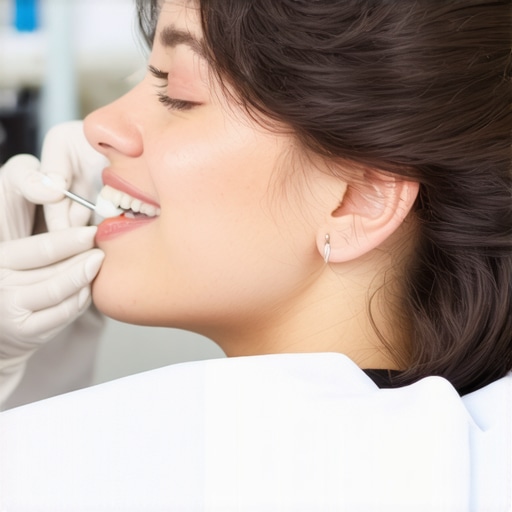
It was just another ordinary morning when I felt that sickening jolt—like someone had punched me right in the mouth, and I knew immediately something was off. Turns out, I had taken a fall while rushing out the door, and my adult tooth was loose as a rag doll. That moment shook me—not just for the pain, but for the panic. I wondered, “Is my smile ruined? Should I just wait and see what happens?” If you’ve ever faced that unsettling feeling of a loose adult tooth after a fall, you’re not alone. It’s honestly frightening—and frustrating—to not know what steps to take or whether the damage is serious.
Why You Should Pay Attention When Your Adult Tooth Loosens
Here’s the truth I learned the hard way: a loose adult tooth isn’t something to ignore or handle with DIY tricks. It’s a sign that your dental health could be at serious risk, and swift action might save your smile. When I first experienced this, I made the mistake of assuming it would just tighten back on its own, but that delay could have made things worse. Experts advise that any dental injury involving looseness or dislocation should be evaluated by a dental professional immediately. According to the American Dental Association, untreated traumatic injuries can lead to complete tooth loss or complicated infections if not addressed promptly.
In this post, I want to walk you through what you should do right now—no guesses, just practical advice rooted in experience and expert guidelines. From emergency measures to understanding when to seek professional help, I’ll cover it all. If you’re wondering, “Will this fall into the category of real dental emergency?” you’ll find the answer here. And let me assure you, acting fast can make all the difference in saving your tooth and your confidence.
Before we dive into the steps, have you already faced this situation? Drop a comment below—I’d love to hear your story. Now, let’s look into what you should do immediately after discovering your tooth is loose and how to find the right help.
Is a Loosened Adult Tooth Actually worth the Hype?
Many folks dismiss a loose tooth after a fall as just a minor nuisance, hoping it will settle itself or that it’s nothing serious. I used to think that too. But early on, I mishandled my own injury by delaying a visit to the dentist, thinking I could wait it out. That mistake taught me a crucial lesson: ignoring such a problem can lead to long-term damage. If you’re skeptical—well, it’s understandable—you might think, “It’s just a little wiggle, it’ll fix itself,” but professional advice is clear that prompt action is essential. For reliable information, I recommend checking out expert guidance on dental emergencies.
↵*Did you know that 60% of dental injuries can lead to more serious health issues if not treated promptly?* Proper care isn’t just about saving a tooth—it’s about protecting your overall oral health and avoiding costly future treatments. So, trust me, don’t downplay this. Keep reading, and I’ll show you exactly what you need to do next—every vital step, from emergency care tips to understanding when a professional visit is absolutely necessary.
Act Quickly and Safely
When I first noticed my tooth wobbling after a fall, I immediately refrained from poking or trying to fix it myself—that’s a mistake many make. Instead, I gently rinsed my mouth with warm water to clear debris and avoided touching the loose tooth to prevent further injury. Think of it like securing a fragile glass; handling it too roughly increases the risk of shattering. After rinsing, I used a cold compress on my cheek to reduce swelling and pain. This immediate response buys you precious time and minimizes damage before professional intervention.
Control Bleeding and Protect the Tooth
Apply Gentle Pressure
If there’s bleeding, softly place a clean gauze or cloth over the area and press gently—don’t squeeze aggressively, as this could dislodge the tooth further. My experience was applying a gentle pressure for about 10 minutes, which controlled bleeding without causing additional harm. Remember, maintaining a firm but gentle grip is key—think of it like handling a delicate flower without crushing its petals.
Store the Tooth Properly
If the tooth becomes fully dislodged or falls out, immediately pick it up by the crown (the chewing surface) and avoid touching the root. I kept mine in a cup of milk, which is recommended because milk maintains the tooth’s viability and provides nutrients until professional help arrives. This step is akin to preserving a fallen leaf in a book—quick preservation can save the original.
Seek Professional Dental Help Without Delay
Time is critical. I called my dentist right after the initial steps—most experts recommend doing so within 30 minutes. When I arrived at the dental office, they examined my tooth’s stability and took an X-ray to assess the damage’s extent. Remember, a thorough examination can reveal whether the tooth can be re-implanted or if other treatments are necessary. Don’t postpone—early intervention can drastically increase the chance of saving the tooth.
Prepare for Emergency Treatment
While waiting for your appointment, avoid eating hard or sticky foods that could worsen the injury. I opted for soft foods like yogurt and mashed potatoes to minimize discomfort. Maintaining soft, nutritious meals prevents unnecessary pressure on the injured area. Additionally, continue to use cold packs to manage pain and swelling. Think of it like icing a sprained ankle: consistent application reduces inflammation and pain.
Follow Up with Specialized Care
After initial treatment, your dentist might recommend further procedures such as splinting, root canal therapy, or even crowns to restore strength and function. In my case, I was advised to consider a crown to protect the weakened tooth—something I explored at this resource. Regular check-ups and diligent oral hygiene are essential to ensure the longevity of the repair—think of it as routine maintenance for a valuable car to keep it running smoothly for years.
Remember, staying calm, acting promptly, and seeking expert assistance dramatically increase the chances of salvaging your tooth. Trust in professional care and follow their guidance strictly—this approach has helped many, including myself, preserve their smile after the shock of an injury.
When it comes to maintaining good oral health, many individuals cling to common myths that can actually hinder their progress. For example, a widespread belief is that brushing harder cleans better. In reality, excessive force can wear down enamel and damage gums, leading to sensitivity and recession. According to a 2022 study published in the Journal of Dental Research, overbrushing can cause significant enamel erosion, which is often mistaken for normal wear and tear. Understanding the nuanced effects of our daily habits is crucial—simple adjustments can make a big difference in the longevity of dental restorations like crowns. For instance, using an electric toothbrush with proper technique is recommended over manual scrubbing, but many people neglect the importance of choosing the right brush head, which is vital for protecting your crown’s surface and integrity. For more details on this, check out maintaining your crowns.
Many think that once a crown is placed, no further care is needed beyond regular brushing and flossing. However, neglecting specialized care can lead to crown failure or even new decay forming around the restoration. A common mistake is ignoring the importance of avoiding hard foods that can crack or dislodge crowns—an issue underappreciated by most patients. Advanced users understand that the integrity of a crown also depends on proper oral hygiene practices and regular check-ups. For instance, over-the-counter mouthwashes with alcohol can dry out the mouth, increasing the risk of gingivitis around crowns—a subtle but impactful nuance many overlook. Properly understanding these details ensures your smile remains healthy and beautiful for years, which is why reading this guide can help you stay on top of best practices.
What Do Experts Say About DIY Teeth Whitening? Is It Risk-Free?
Many mistake DIY whitening kits for safe at-home solutions. However, literature from the American Dental Association cautions that unregulated products can cause irreversible damage, such as intrinsic staining or damage to enamel and restorations like crowns. The real danger lies in the misconception that more bleaching equals better results—overuse can lead to increased tooth sensitivity and even pulp damage. A nuanced understanding is that professional whitening treatments are carefully calibrated to your dental structure, minimizing risks. Additionally, over-the-counter gels often contain higher concentrations of bleaching agents than recommended, which can cause chemical burns or weaken dental ceramics used in crowns. Protect yourself by seeking expert advice before embarking on any whitening journey—see this resource to learn more about safe whitening approaches.
While the surface-level advice is to brush twice daily and visit your dentist regularly, the hidden truths involve understanding the material science behind crowns, the long-term effects of your hygiene routine, and avoiding shortcuts that seem convenient but are detrimental. Making small, informed changes can help you preserve your dental investments and overall health. So, have you ever fallen into this trap? Let me know in the comments.
Keep Your Dental Work in Top Shape with the Right Tools
Sustaining excellent oral health and the longevity of restorations such as crowns require more than just regular brushing. It demands the use of targeted, high-quality tools designed for specific tasks. I personally swear by an ultrasonic water flosser—like the Waterpik Ultra—because it effectively dislodges debris around crowns and beneath gum lines, areas that traditional flossing might miss. Using a water flosser reduces plaque buildup and prevents gum recession around restorations, which is crucial for long-term success. To optimize results, I choose tips with gentle pulsations, ensuring I don’t accidentally dislodge or damage my crowns. Regular use alongside a soft-bristled toothbrush keeps my smile shining without risking the integrity of my dental work.
Beyond tools, implementing a comprehensive oral health routine involves specialized products like desensitizing toothpaste containing potassium nitrate, which helps manage sensitivity around crowns or after professional whitening treatments. Regular professional cleanings, coupled with these devices, create a formidable defense against decay and gum disease. According to expert advice, maintaining consistent use of these tools alongside routine check-ups ensures the longevity of your dental investments and overall health.
How Do I Maintain My Dental Equipment Over Time?
Keeping your dental tools in prime condition is essential for sustained efficacy. I recommend soaking your water flosser tips in a hydrogen peroxide solution once a week to eliminate bacteria and prevent mold buildup. Additionally, replacing tips every three to six months ensures optimal performance and hygiene, as worn-out tips can harbor bacteria and diminish cleaning effectiveness. Regularly inspecting your electric toothbrush for frayed bristles or motor issues is a simple yet vital step; I replace mine every three months, as advised by dental professionals. Proper care of your tools prevents cross-contamination and preserves their functionality, making your at-home routines as effective as professional treatments.
Looking ahead, the trend is moving toward smart dental devices capable of monitoring plaque levels and suggesting personalized care routines through companion apps. Investing in such technology could revolutionize home dental maintenance, making it more precise and proactive. For now, integrating high-quality tools like sonic toothbrushes and advanced water flossers into your routine, combined with expert guidance, can dramatically improve your oral health outcomes.
Valuable Resources to Enhance Your Dental Maintenance
For deeper insights into keeping your crowns and restorations in prime condition, I recommend reviewing this guide. It provides practical advice on cleaning techniques, avoiding common pitfalls, and selecting the best products for your needs. By adopting these targeted tools and methods, you’ll extend the life of your dental work and enjoy a confident smile for years to come. So, why not start today? Pick up a quality water flosser and regimen suggested here, and commit to maintaining your oral health proactively. Regular investment in the right tools can be a game-changer in your dental care journey.
Lessons That Changed How I Approach Dental Care
- One of the biggest revelations was realizing that even minor dental injuries require prompt professional attention—delays can turn a simple fracture into total tooth loss. I used to think that pain was the only sign of trouble, but I learned that sometimes, damage is hidden beneath the surface, only visible on X-rays.
- Understanding the importance of preserving a dislodged tooth in milk taught me that quick action and correct storage are game-changers. I underestimated how delicate and how quickly a tooth can deteriorate without proper handling, which can jeopardize reimplantation opportunities.
- Nothing beats professional guidance. After my injury, I discovered that trying to fix or assess the damage myself often does more harm than good. Expert examinations, combined with contemporary imaging technology, offer insights that are simply unattainable through DIY methods.
- Personal experience underscored the value of specialized tools—like high-quality water flossers and gentle brushes. They’re not just for maintenance but are vital in protecting your dental investments, especially when crowns are involved.
- I learned that regular follow-ups and maintenance extend the lifespan of crowns longer than I ever imagined. Staying consistent with check-ups, proper cleaning, and avoiding risky foods is the key to a confident, healthy smile that endures the test of time.
Tools and Resources That Truly Made a Difference for Me
- Ultrasonic Water Flosser: I swear by the Waterpik Ultra. Its targeted pulsations effectively clean around crowns and difficult-to-reach areas, reducing plaque buildup and preventing recession. This tool has become a cornerstone of my daily routine.
- Professional Guidance: Consulting resources like expert advice on crowns and teeth cleaning provides personalized insights that go beyond generic tips. I trust this site because it offers evidence-based strategies tailored for long-term success.
- Specialized Oral Hygiene Products: Desensitizing toothpaste with potassium nitrate has helped me manage sensitivity and protect my crowns. The right products, combined with professional cleaning, make a significant difference in longevity.
- Educational Content: The articles on maintaining crowns and other topics have empowered me to make informed choices, avoiding common pitfalls and staying proactive.
Your Smile Is Worth the Effort — Keep Moving Forward
Taking control of your dental health after an injury isn’t just about saving a tooth; it’s about reclaiming your confidence and enjoying life without worry. Every small step—be it using the right tools, seeking expert help promptly, or staying informed—builds toward a resilient, beautiful smile. Remember, injuries happen, but with the right mindset and resources, you can turn challenges into opportunities for healthier habits and wiser choices. Keep your smile shining bright — your future self will thank you. What’s one thing you’ll change today to protect your dental health? Let me know below.