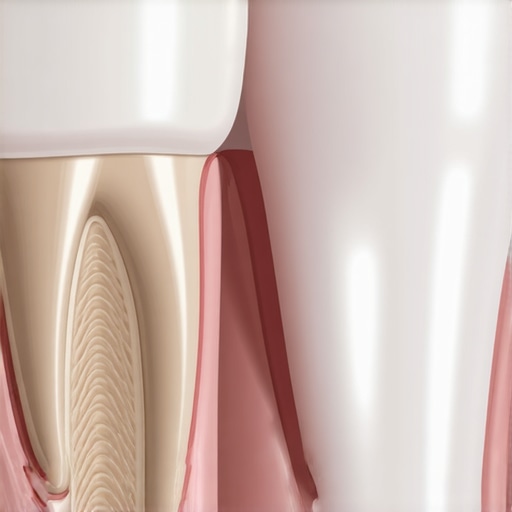
Ever found yourself wincing after a routine dental visit, only to realize your tooth feels worse than before? I remember the lightbulb moment when I finally understood why my molar, which had undergone a large root canal, started feeling so sensitive and fragile. It was a slow realization that my tooth needed more than just a filling—it needed a crown to truly protect it.
As someone who’s navigated the ups and downs of dental care, I want to share what I’ve learned from personal experience and from trusted sources. Today, we’ll explore why a crown isn’t just an extra step but often a vital step after a large root canal.
Why Protecting Your Root-Canaled Molar is Crucial
Many folks underestimate the importance of a crown after a root canal. I used to think that removing decay and filling the tooth was enough. But soon after, I started noticing my tooth was more sensitive to hot and cold, and even biting became uncomfortable. That’s when I realized that a root canal leaves your tooth weaker, more prone to cracking without proper reinforcement.
A well-fitting crown acts like a shield, preventing fractures and preserving the integrity of the tooth. According to dental experts, untreated large restorations can lead to tooth fractures, which might require extraction or more invasive procedures down the line. For more insights, check out [this comprehensive guide on the role of crowns in modern smile makeovers](https://periodontistcare.com/understanding-the-role-of-crowns-in-modern-smile-makeovers).
Have you experienced similar issues after a root canal? If so, you’re not alone. Many patients don’t realize how crucial a crown really is—or how neglecting it can lead to complications.
Let’s dive into the common doubts and how to tell if your molar truly needs that crown to keep your smile strong and healthy.
Prepare Your Teeth for Crown Placement
Start with a thorough cleaning using a gentle, fluoride-rich toothpaste, like the ones recommended in this guide on oral hygiene routines. Brush for at least two minutes, ensuring you reach all surfaces, especially around the affected tooth. Using floss carefully around the tooth helps remove plaque that might cause decay beneath the crown. Remember, a clean environment promotes better bonding and longer-lasting results.
Assess the Tooth’s Structure
Have your dentist evaluate the remaining tooth structure through visual inspection and possibly digital imaging. This step determines if additional preparation, like building up a weak tooth with a core, is necessary to support the crown. Think of your tooth as a foundation—if it’s compromised, you need to reinforce it before applying the protective layer.
Shape the Tooth Precisely
Your dentist will remove a small amount of enamel to create a uniform surface for the crown to fit seamlessly. I once watched my dentist carefully contour my molar, akin to sculpting a custom-fit lid. This step ensures the crown isn’t too bulky or loose, preventing discomfort or accidental dislodgement. Precision here makes all the difference in comfort and durability.
Use Accurate Impressions or Digital Scans
Next, an impression of the prepared tooth is taken. Traditional methods involve creating a mold with putty, while modern practices utilize digital scanners for a quicker, more accurate capture. I opted for a digital scan, which felt like a high-tech selfie, but for my teeth. This data guides the lab in crafting a crown that matches your bite and smile perfectly.
Custom-Make the Crown
The lab fabricates the crown using the impressions or scans, considering the material—porcelain, zirconia, or gold—and color matching it to your natural teeth. If you want to explore options that can boost your confidence, check out this article on transforming your smile. The process typically takes one to two weeks, during which you’ll have a temporary crown to protect your tooth.
Install the Permanent Crown
In a follow-up appointment, your dentist will remove the temporary crown and cement the permanent one in place. They will check the fit, making minor adjustments if needed, much like tuning a musical instrument. Make sure the crown feels comfortable, bites evenly, and looks natural. Proper fit is vital—an ill-fitting crown can cause discomfort or plaque buildup, leading to future issues.
Maintain Your Crown for Longevity
Once in place, treat your crown like your natural teeth. Brush twice daily with a soft-bristle toothbrush, floss carefully, and avoid biting down on hard objects. Regular check-ups help monitor the crown’s condition, and professional cleanings ensure bacteria doesn’t accumulate at the margins. For advanced tips, review this guide on caring for crowns. Consistent maintenance will extend the life of your restoration and keep your smile shining brightly.
Most People Overlook Critical Nuances in Oral Care
Many assume that brushing more vigorously or flossing daily automatically guarantees a healthier smile, but in reality, technique and understanding nuances matter more than just frequency. For example, aggressive brushing can eventually erode enamel, leading to sensitivity, as highlighted in studies on oral hygiene practices. I used to think that scrubbing harder meant cleaner teeth, but that myth can cause more harm than good.
The Myth That All Dental Cleanings Are Equal
It’s a common misconception that every dental cleaning process is the same; however, not all cleanings target the same issues. Standard prophylaxis might remove plaque and tartar superficially, but advanced periodontal maintenance involves more precise scaling below the gum line, crucial for preventing long-term issues. Falling victim to a routine cleaning without addressing deeper concerns is a mistake many overlook.
How Can I Tell if My Cleanings Are Truly Effective?
Engaging in regular check-ins with your dentist and asking about the specifics of your cleaning process ensures you’re not just going through the motions. Scientific evidence supports that tailored periodontal therapy can significantly improve oral health outcomes, as detailed in expert reviews. Missing out on these nuances can leave your gums vulnerable and undermine the benefits of routine visits.
Advanced Mistake One Might Make With Crowns
Believing that a crown simply covers a tooth without considering its integration with surrounding tissues can lead to complications. Proper placement requires not just aesthetic matching but also ensuring a perfect seal and compatibility with your bite. An improperly fitted crown might cause discomfort or bacterial invasion, risking future decay beneath it. For longevity, understanding these advanced nuances is key.
Family Dentistry: More Than Just Routine
Many think that family dental visits are merely about catching cavity issues early, but comprehensive family dentistry includes guiding children and adults through personalized preventive strategies. Failing to see this broader scope can result in overlooked issues like bite misalignments or oral habits that affect long-term health.
Remember, the devil is in the details. Whether it’s perfecting your brushing technique, understanding the scope of cleanings, or fitting crowns precisely, EDUCATION is your best tool. If you’re curious about how to elevate your dental routine beyond the basics, check out this guide on crowns or expert advice on cleaning and crowns. Don’t fall into the trap of complacency—your smile deserves the most informed care. Have you ever fallen into this trap? Let me know in the comments.
Maintaining excellent oral health requires more than just regular brushing and flossing; it involves the right tools and consistent routines that support your dental goals. As someone dedicated to preserving my smile’s integrity, I’ve found that investing in high-quality equipment makes a significant difference in long-term results.
Why Investing in Quality Instruments Matters
Using the right tools isn’t just about convenience—it’s about protecting your investment in your health. For instance, I personally swear by a cordless electric toothbrush with multiple modes, such as the Oral-B Genius X. Its oscillating-rotating technology ensures thorough plaque removal, especially around crowns and dental work, which manual brushes often miss. Scientific studies support that electric toothbrushes can significantly reduce plaque and gingivitis when used correctly, making them an indispensable part of a sustained oral health routine (see more).
The Role of Effective Flossing Devices
Beyond brushing, I emphasize the importance of flossing with a water flosser rather than traditional floss alone. I personally use the Waterpik Sonic-Fusion because it combines flossing and brushing into one device, streamlining my routine. The pulsating stream effectively reaches below the gum line and around crowns, something traditional floss often struggles with, especially if you have braces or bridges. As per recent research, water flossers improve gum health and reduce plaque buildup more consistently for some patients (check this comparison).
Why Keep an Eye on Your Technology and Techniques
Tools are only part of the equation; mastering proper technique is equally critical. I regularly use a mirror with LED illumination to visualize areas that are hard to see, ensuring I don’t miss spots around my crowns. Additionally, I rely on professional-grade interdental brushes, like the TePe Interdental Brushes, which are gentle yet effective for cleaning between teeth and around restorations. Maintaining a high standard of cleaning—guided by reputable sources—keeps my crowns shiny and prevents decay under margins.
Where Will Dental Tools Go Next?
Looking ahead, the trend is moving toward more intelligent devices. For example, toothbrushes with AI-powered sensors that track your technique and offer real-time feedback are gaining popularity. In the future, I predict integration with smartphone apps will customize routines based on your oral health data, much like fitness trackers do for exercise. Embracing these innovations now can give you an edge in maintaining your smile’s health for decades to come.
How do I maintain my tools over time?
Regular cleaning and proper storage are essential. Rinse your electric toothbrush head thoroughly after each use and replace it every three months to prevent bacterial buildup. Keep your water flosser clean by running it with vinegar solution monthly, following manufacturer instructions. Store all devices away from dust and extreme humidity to ensure they last. Proper maintenance of your tools is a small investment with significant payoffs, helping you keep your dental appliances functioning optimally and your smile bright.
Ready to elevate your dental game? Try upgrading your flossing routine with a water flosser or switch to an electric toothbrush designed for crowns and bridges. Small adjustments in your tools can lead to lasting benefits, so choose quality and care for a lifetime of healthy smiles.
3 Lessons I Wish I Learned Sooner About Dental Wellness
One of the hardest lessons I discovered was that a crown isn’t merely a finishing touch—it’s an essential shield, especially after a root canal, to prevent future fractures. I also realized that rushing through dental cleanings or neglecting nuanced techniques can silently undermine my oral health, leading to costly repairs. Lastly, I found out that investing in quality tools like electric toothbrushes and water flossers isn’t optional—it’s a game-changer that supports long-term dental confidence.
My Top Resources That Keep My Smile Sharp
First, I rely on this comprehensive guide on crowns to understand the why behind each restoration—knowledge that empowers me during visits. I also trust this expert advice on cleaning and crowns for daily routines that keep my restorations pristine. For maintaining my crowns’ shine, I follow these longevity tips to prevent premature wear. Finally, this family dentistry resource reminds me to involve my loved ones in long-lasting oral health habits.
Keep Your Smile Burning Bright and Moving Forward
Your dental journey is uniquely yours, but proactive steps make all the difference. Embrace the newest tools, stay informed about best practices, and remember that your smile reflects your commitment to self-care. The future of dental health is not just about avoiding problems but actively building confidence—so take charge today and watch your smile become your proudest feature.