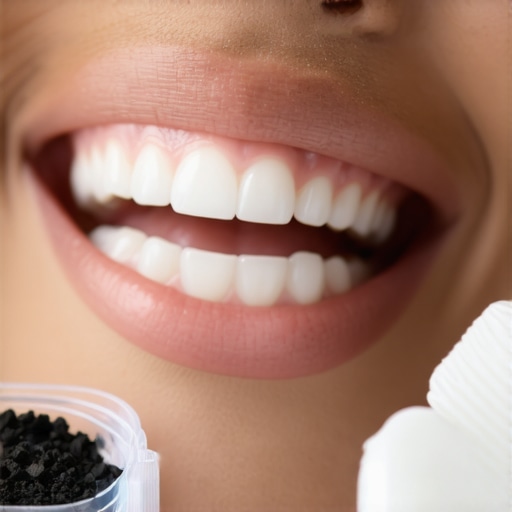
I remember the moment clearly—seeing a close-up mirror scan after a quick home whitening session, only to be greeted by worse stains and dullness. It was a lightbulb moment that made me question everything I thought I knew about teeth whitening and oral health. Have you ever felt that twinge of disappointment when a DIY remedy backfires, especially with something as delicate as dental crowns or veneers? You’re not alone.
Why Your Choice of Tooth Whitening Matters More Than You Think
Is Activated Charcoal Really The Safe and Effective Solution? Or Just Hype?
Early on, I made a common mistake—believing that natural remedies like activated charcoal are always better because they’re ‘organic’ and ‘chemical-free.’ But that wasn’t the whole story. Using charcoal without proper guidance can cause abrasion and damage, especially to crowns or any restorations. In fact, abrasive toothpastes are a leading cause of damage to dental work, and activated charcoal can fall into this category when used improperly. According to research published in the Journal of the American Dental Association, overly abrasive products compromise enamel and can even erode crowns and veneers over time.
So, what does this mean for you? It means that before grabbing that tube or packet of charcoal, understanding how it interacts with your specific dental work is essential. In this post, I promise to demystify the claims around activated charcoal and help you make informed decisions that protect your smile’s health and beauty. Whether you’re considering it for whitening or just curious, we’ve got you covered.
What You’ll Learn Today
We’ll explore whether activated charcoal is truly worth the hype, how it can impact your dental restorations, and what safer alternatives exist. Plus, I’ll share practical tips on maintaining your crowns and veneers without risking damage. If you’ve faced frustration with ineffective whitening or accidental damage to your dental work, this guide is for you. Ready to find out the real deal? Let’s dive in and empower your oral care routine with trusted insights.
Inspect Your Crowns and Veneers Before Whitening
Start by examining your dental work closely. Remove any debris with gentle brushing and look for chips or cracks. Remember, crowns and veneers are resistant to stain, but damaged areas can trap stains or harbor bacteria. I once noticed a small crack in my veneer after an aggressive whitening attempt, which became a breeding ground for plaque. So, always perform a visual check or consult your dentist for an expert assessment.
Choose the Right Whitening Products
Opt for Gentle Whitening
Never pick harsh over-the-counter whitening gels or strips without professional advice. Look for products labeled for sensitive teeth and compatible with restorations. I suggest reading labels carefully and avoiding anything abrasive that could scratch or damage crowns. By selecting a mild, Teflon-lined gel, I found my whitening experience safer and more predictable.
Use During Dental Supervision
Schedule your whitening session under the guidance of your dentist, especially if you have crowns or veneers. They can recommend custom-fitted trays and milder agents, reducing risks. During my last treatment, my dentist provided me with a custom tray and professional-grade gel, which minimized unnecessary wear and protected my dental work from damage.
Follow an Exact Application Routine
Apply the whitening agents precisely as instructed. Use a small, pointed brush to focus on natural teeth, avoiding contact with restorations. During my routine, I made sure to brush my crowns gently afterward to prevent lingering agents that could cause discoloration or erosion.
Inevitable Post-Whitening Care
Rinse and Clean Thoroughly
Immediately after whitening, rinse your mouth with water or a gentle mouthwash. Pay extra attention to cleaning around crowns and veneers. I used a soft-bristled toothbrush combined with water to avoid abrasive brushing that could harm the restorations.
Avoid Stain-Causing Foods and Drinks
Steer clear of coffee, tea, red wine, and vibrant fruits for at least 48 hours post-treatment. These can stain the natural teeth more rapidly than your customized restorations. My personal experience is that avoiding these for a couple of days significantly preserves my whitening results.
Maintain Oral Hygiene for Longevity
Daily flossing and gentle brushing are essential. Consider using an interdental brush or water flosser to clean around crowns and veneers safely. Regular professional cleanings help keep your restorations in top shape and prevent plaque buildup that can erosively discolor natural teeth. Check out these cleaning secrets for more tips to keep your smile bright.
Schedule Regular Dental Checkups
Regular visits allow your dentist to evaluate the condition of your crowns and veneers. They can spot early signs of damage or wear that could interfere with future whitening or oral health. I make it a point to visit my dentist biannually, which keeps my smile healthy and my restorations intact.
Document Your Experiences
Keep track of whitening products used, application dates, and any reactions. This record helps you and your dentist improve your routine. I once noticed subtle discoloration after a DIY whitening attempt, prompting me to consult my dentist for tailored advice.
Protecting your crowns and veneers during whitening requires a deliberate, cautious approach. By following these concrete steps—inspection, product choice, precise application, post-care, regular maintenance, and professional oversight—you can enjoy a brighter smile without jeopardizing your dental investments. Remember, consulting your dentist remains the safest way to achieve optimal results and preserve your restorations’ longevity.
Many people believe they know everything about crowns, teeth cleaning, and oral health, but in reality, misconceptions can be quite costly. One common myth is that all dental restorations like crowns and veneers are indestructible and require no special care. However, these restorations are vulnerable to improper cleaning techniques and habits. Applying abrasive pastes or using hard-bristled brushes can wear down or chip crowns, simply because they’re not designed for aggressive scrubbing, as highlighted by experts in dental crown maintenance. Moreover, many assume that regular brushing alone suffices for comprehensive oral health. In fact, neglecting interdental cleaning or professional checkups can lead to plaque buildup around crowns and gums, increasing the risk of decay or gum disease despite seemingly good habits. The nuanced truth is that family dentistry involves tailored routines; what works for natural teeth might harm restorations or cause other issues if not applied correctly. A frequent mistake is underestimating the importance of gentle, technique-focused cleaning around crowns, which can prevent unnecessary wear and prolong their lifespan.
Why do some patients experience increased sensitivity after routine cleanings?
This can be due to overzealous scaling or improper polishing, which exposes underlying dentin or irritates gum tissue. Studies show that gentle, targeted cleaning can significantly improve long-term outcomes; however, using harsh instruments or rushing through procedures undermines these benefits. To truly maximize your dental health, think beyond the basics and understand the unique needs of your dental work. For example, recognizing that crowns and veneers require specific care routines helps avoid common pitfalls. Regularly consulting with your dentist about personalized cleaning strategies can prevent premature wear and ensure your restorations stay functional and beautiful for years to come. Interested in understanding how to optimize your oral hygiene with restorations? I recommend exploring this guide on crowns in smile makeovers. Remember, the goal is not just to clean but to do so wisely. Finally, avoid the trap of thinking that professional cleanings are unnecessary if you brush diligently. Like other aspects of health, consistent professional care complements your daily routine and keeps your smile in top shape. If you’re unsure how to adapt your cleaning habits to your specific dental work, don’t hesitate to consult a family dentistry expert; they can provide insights that save you time, money, and stress in the long run. Have you ever fallen into this trap? Let me know in the comments.
How do I maintain my crowns and veneers over time?
Maintaining dental restorations like crowns and veneers requires a combination of proper tools, consistent routines, and professional guidance. I personally swear by using a water flosser with a specific tip designed for crowns, as it gently cleans around delicate restorations without causing damage. The proper technique includes aiming the stream at the gum line and around the restoration, which helps prevent plaque buildup and extends their lifespan. Additionally, I recommend using a soft-bristled electrical toothbrush with a low rotation setting to avoid undue abrasion. Electric brushes like the Sonicare FlexCare have proven effective in delivering consistent, gentle cleaning that supports long-term oral health. With these tools, I ensure I clean effectively without compromising my restorations.’}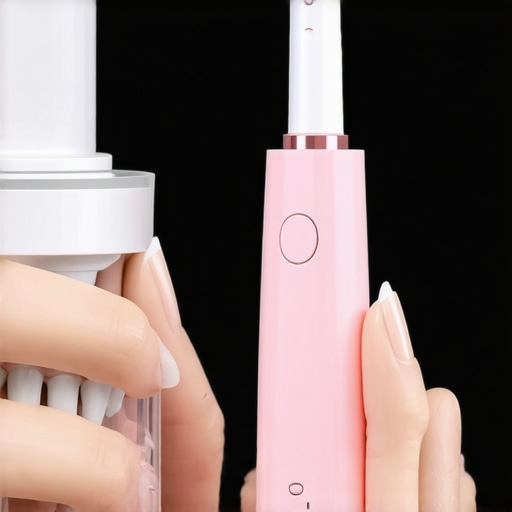
In the journey of dental health, investing in quality tools makes a noticeable difference. For example, a high-frequency sonic toothbrush allows precise, gentle cleaning, which is especially beneficial when caring for crowns and veneers, as they are not resistant to abrasive brushing. Regularly replacing toothbrush heads and cleaning your water flosser’s tips prolongs their effectiveness and hygiene.
What future trends are shaping long-term oral health maintenance?
Advancements in smart dental technology suggest a future where AI-powered diagnostics and personalized oral care routines will become commonplace. Devices integrating sensors may monitor plaque levels or detect early signs of gum disease, enabling preemptive care without frequent visits. I believe that adopting these innovations early can boost your long-term results and safeguard your restorations. For now, incorporating reliable, proven tools like water flossers and soft-bristled electric brushes remains essential. Remember, consistent maintenance not only preserves the appearance of your dental work but also contributes significantly to overall oral wellness.
To deepen your knowledge on maintaining crowns and veneers, check out this comprehensive guide. Don’t hesitate to experiment with advanced brushing techniques or new tools—your future self will thank you! For expert advice on selecting the best devices tailored to your needs, consider consulting your family dentist during your next visit.
The Hardest Lesson I Learned About Crowns and Oral Care
Early in my journey, I believed that once a crown was placed, it was invincible. But I quickly realized that improper cleaning habits, like using abrasive toothpaste, could chip or damage these restorations over time. That lightbulb moment taught me to treat crowns with the same gentle touch as natural teeth, emphasizing the importance of tailored oral hygiene routines. This lesson underscored that knowledge isn’t just power—it’s preservation.
Tools That Turn Routine Into Confidence
Over the years, I’ve curated a set of tools that truly make a difference—soft-bristled electric toothbrushes and water flossers with special tips designed for crowns. These not only clean effectively but also maintain the integrity of restorations. Trusting experts, like recommending these proven devices, has transformed my daily routine, offering peace of mind and a healthier smile.
Future-Forward Smiles and Smart Tech
Looking ahead, I see a future where innovations like AI-driven oral health monitors will personalize care even further. Imagine devices that alert you to early signs of decay or wear on your crowns. While we’re waiting for that tech to become mainstream, the best approach remains consistent, gentle care combined with professional checkups. Embracing these advancements early can safeguard your smile for decades to come.
Curiosity Sparks Lasting Change
By reflecting on my experiences, I’ve learned that attentive, personalized care makes all the difference—especially when maintaining crowns and veneers. Have you ever discovered an accidental chip or sensitive spot and learned from it? Share your story below—your insight might inspire someone else to protect their smile more effectively.