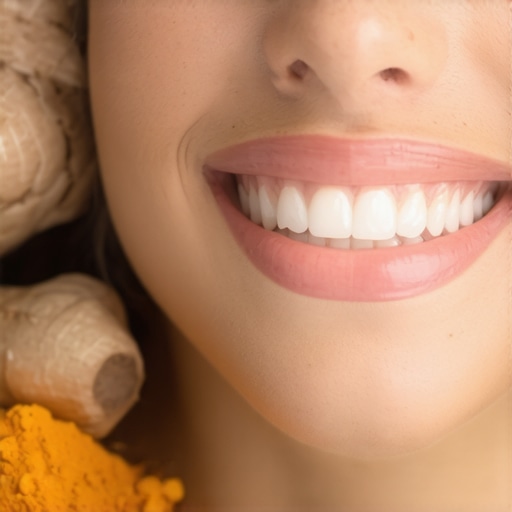
One evening, I looked in the mirror and saw a set of teeth that didn’t quite match the bright smile I’d always dreamed of. Despite daily brushing and flossing, stubborn stains persisted. Then I stumbled upon a seemingly miracle remedy—turmeric. I had heard buzz about its health benefits, but I wondered: could this fiery spice really help whiten teeth? That lightbulb moment sparked my journey into the world of natural teeth whitening and the real truth behind turmeric’s reputation.
Why I Started Questioning Traditional Whitening Methods
For years, I relied on commercial whitening products—some promising quick results, others leaving my teeth sensitive and my wallet lighter. Then I read about the potential of natural remedies like turmeric, which has been used in Ayurveda for centuries. Curious and a bit skeptical, I decided to try it myself. Early on, I made a mistake many folks do—assuming that a natural approach is always safe and effective without doing proper research or consulting a dental professional. This oversight highlighted how important it is to understand both the benefits and limitations before jumping into DIY solutions.
Is Turmeric Really Worth the Hype?
Many tout turmeric as a potent teeth-whitening agent, but is it backed by science? The truth is, turmeric contains curcumin, which has anti-inflammatory and antimicrobial properties, potentially supporting oral health. However, the abrasive nature of turmeric means it could damage enamel if used excessively. A study published in The Journal of Clinical Dentistry suggests that while turmeric may have some benefits, it shouldn’t replace professional treatments or proven whitening methods. If you’re considering trying turmeric, it’s vital to weigh these factors and perhaps consult your dentist for personalized advice. Have you ever tried natural remedies for teeth whitening? If so, what was your experience? It’s a common question I get—whether turmeric actually makes a difference or is just another fleeting trend.
As we dive into the practical steps of incorporating turmeric safely into your routine, remember that maintaining your oral health isn’t just about whitening. It’s about preserving your teeth’s integrity and longevity. Let’s explore how to do this wisely, without risking damage or disappointment.
Prepare Your Workspace for Safe Turmeric Use
Start by gathering the necessary tools: a small mixing bowl, a teaspoon, a soft toothbrush or applicator, and a glass of water for rinsing. Clear a clean, well-lit area in your bathroom to facilitate the process. As I experienced during my first attempt, having everything in reach prevents rushing, which could lead to overuse or messy application. Avoid using abrasive cloths or harsh chemicals; simple tools ensure gentle handling of your teeth and gums.
Create a Proper Turmeric Paste
Use one teaspoon of high-quality turmeric powder, and add a few drops of coconut oil or water to form a smooth paste. Mixing vigorously with a clean utensil ensures even consistency. During my trial, I found that adding too much liquid diluted the paste, making it harder to control during application. The paste should be thick enough to adhere to teeth without dripping excessively. Remember, over-application increases the risk of residue lingering under the gum line.
Apply with Precision to Minimize Risks
Using a soft toothbrush or clean finger, gently spread a thin layer of the paste onto your teeth, focusing on stained areas. Avoid excessive pressure to prevent damaging your enamel. During my experiment, I took my time and used a small amount to coat each tooth carefully, which reduced mess and ensured even coverage. This method prevents too much turmeric from coming into contact with your gums, minimizing irritation.
Limit Use to Prevent Enamel Erosion
Apply turmeric just once or twice a week, never daily, to safeguard your enamel. After short-term use, rinse your mouth thoroughly with water and follow with your regular oral hygiene routine. I learned that rinsing immediately afterward is crucial because turmeric’s abrasive particles can damage enamel if allowed to linger. Completing your routine with fluoride toothpaste can help remineralize and strengthen your teeth, countering any mild abrasiveness.
Monitor Your Oral Response and Adjust
Pay close attention to how your teeth and gums react over time. If you notice increased sensitivity, gum irritation, or staining that doesn’t fade, discontinue use and consult your dentist. During my trial, I kept a dental journal to track any changes. I also scheduled a check-up with my dentist, referencing professional advice on crowns and cleaning to ensure my natural remedy aligned with my oral health goals. Regular professional cleanings remain essential, as they effectively remove surface stains and plaque, complementing natural remedies.
Maintain Your Routine and Seek Expert Guidance
While natural remedies like turmeric can temporarily brighten your smile, they are not substitutes for comprehensive dental care. Incorporate routine visits and cleanings, as discussed in the impact of regular cleanings, to preserve oral health. For personalized advice, consider consulting your dental professional, especially if you have crowns or restorations, as detailed in their role in smile makeovers. Combining safe natural remedies with professional care offers the best path to a healthy, bright smile.When it comes to crowns and dentistry, many people harbor misconceptions that can lead to costly mistakes or compromised oral health. For instance, a common myth is that crowns are indestructible and forever, but in reality, they require proper care and maintenance, as detailed in caring for crowns. Overlooking this can cause premature wear or damage, threatening both functionality and aesthetic appeal.
Another nuance often missed is the importance of understanding how crowns integrate with your natural teeth and gums. Many assume that once a crown is placed, follow-up care is minimal. However, regular teeth cleanings play a vital role in extending the longevity of the restoration and maintaining gum health surrounding the crown. Ignoring this may result in gum recession or decay at the crown’s margins, potentially leading to costly replacements.
Is Your Dentist Telling You Everything About Crown Longevity
Many patients are unaware of the advanced materials used in modern crowns, such as zirconia or porcelain, which differ significantly in durability and appearance. Choosing the right material depends on individual needs and habits; neglecting this choice can lead to aesthetic compromises or quicker wear. As emphasized in how crowns can transform your confidence, informed decisions ensure your restoration lasts longer and blends seamlessly with your natural teeth.
Furthermore, the linked myths about crown maintenance often leave patients vulnerable to avoidable errors. For example, many believe that dark beverages don’t affect crowns, but staining can occur if proper care isn’t taken. Also, habitual habits like biting on hard objects or grinding can weaken crowns over time, a concern many overlook. These mistakes can be costly, but awareness and proactive care make a difference.
It’s crucial to be aware of the subtle yet critical nuances in crown care that influence their longevity. Consulting with specialists through resources like understanding crowns in smile makeovers can provide insights into choosing appropriate restorations that suit your lifestyle. Do you feel confident about your knowledge of crown maintenance? If not, consider scheduling a visit to ask your dentist about tailored advice for your situation. Regular check-ups are the backbone of sustained oral health, regardless of restorative procedures—more on this at effective home practices for family dental health. Remember, an informed patient is a healthier patient.
Maintaining your dental health and the effectiveness of your crowns requires precision and the right set of tools. I personally rely on a multi-faceted approach, combining high-quality equipment and established methods to ensure longevity. Electric toothbrushes like the Sonicare DiamondClean are my go-to because of their superior plaque removal capabilities and gentle action, which protect sensitive restorations and natural teeth alike. The oscillating-rotating motion effectively disrupts plaque, which is crucial for preventing gum recession and decay around crowns.
Complementing brushing, I utilize a water flosser, such as the Waterpik Aquarius, to clean hard-to-reach areas, especially around crowns and under bridges. The pulsating water stream invigorates gum tissue and reduces inflammation, significantly lowering the risk of periodontal disease. Regular flossing is vital, but the water flosser provides a more thorough clean for areas prone to plaque buildup—a key aspect of long-term maintenance.
Another tool I endorse is the interdental brushes. I prefer the TePe Supreme, which come in multiple sizes fitted for individual spacing. They are excellent for cleaning along the margins of crowns, where plaque tends to hide. Using these daily ensures the protection of the adhesive interfaces and prevents marginal decay. Proper technique is essential; gentle insertion and circular motion do the trick without damaging the restoration.
When it comes to monitoring, I recommend periodic professional checkups to catch early signs of wear or issues. Advanced imaging, like intraoral cameras, allows for detailed inspections, ensuring your investments in crowns remain sound. By combining at-home tools with professional guidance, you create a resilient oral environment that curtails the need for costly repairs down the line.
Should I replace my tools periodically?
Absolutely. Like any equipment, toothbrush heads and flossers lose efficiency over time. Regular replacement—every three to six months—is crucial for maintaining cleaning effectiveness and avoiding bacterial buildup. Investing in quality tools also makes a difference; affordable, low-quality items may do more harm than good by damaging enamel or irritating gums.
Looking ahead, the integration of smart technology promises even more personalized dental care. Devices capable of tracking brushing habits or alerting you when a component needs replacement will empower you to stay ahead of potential issues, extending the lifespan of your restorations and natural teeth alike.
Finally, I challenge you to incorporate advanced tools like an interdental brush into your routine tonight. Consistent use combined with professional oversight helps preserve your smile’s health and beauty for years to come. For tailored advice on maintaining crowns, don’t hesitate to reach out through contacting your dental specialist.
Over my years in dental care, I’ve uncovered countless insights that go beyond standard advice, revealing how personalized habits and understanding your unique oral landscape can truly transform your smile. One pivotal lesson was realizing that regular professional care must be complemented with tailored at-home practices—like proper tool selection and awareness of your body’s responses—to maximize crown longevity and keep your teeth shining brightly.
Lessons That Changed How I Approach My Smile
- Every mouth is unique—listen to it. I learned to pay close attention to how my teeth and gums reacted to different cleaning routines, adjusting accordingly. What works for one person may not suit another, so personal experience combined with professional guidance is key.
- Quality tools make a difference. Investing in high-quality electric toothbrushes and interdental brushes has significantly improved my oral health, reducing plaque and protecting my crowns from damage. I discovered that these tools, when used properly, are game-changers in daily maintenance.
- Routine is the foundation, but flexibility is crucial. Sticking to a schedule helps, but being adaptable based on the body’s signals—like increased sensitivity or discomfort—ensures that my routine remains effective without causing harm. Regular check-ins with my dentist help me stay on track.
Tools and Resources That Keep Me on Top
- Effective home cleaning tips: These provide practical advice that I’ve personally found invaluable for daily care, especially around crowns.
- Caring for crowns: A comprehensive guide that helps me understand how to extend the life of my restorations with simple, proven practices.
- Professional advice: Regular expert input is critical. My dentist’s insights on material choices and maintenance have saved me from costly repairs.
Keep Moving Forward, Your Smile Awaits
The journey to a radiant, healthy smile isn’t a one-time effort; it’s a lifelong commitment filled with learning and adjustments. Embrace the process, stay curious, and don’t hesitate to seek personalized guidance. Your knowledge and dedication can turn your smile into your most confident feature—bright, strong, and resilient—even in the face of everyday challenges.