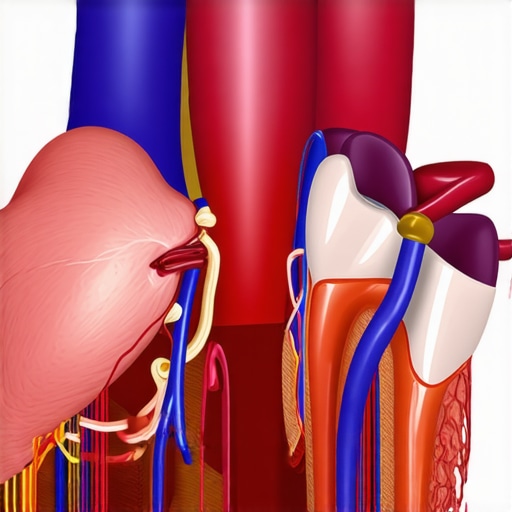
I remember the moment clearly — sitting in my dental chair after a routine cleaning, feeling that strange tightness in my chest later that day. It was a wake-up call. Suddenly, I realized how interconnected our bodily health truly is. We often think of heart health and dental health as separate issues, but evidence increasingly shows they’re more connected than we ever imagined. If you’ve ever ignored gum bleeding or thought cavities were just aesthetic concerns, you might be missing a bigger picture.
The Unexpected Connection Between Your Heart and Gums
It’s startling to learn that *gum disease can double your risk of heart disease*, according to recent research. The inflammation caused by periodontal issues doesn’t stay confined to your mouth — it can enter your bloodstream, contributing to arterial clogging and heart conditions. Early on, I made the mistake of dismissing mild gum bleeding as nothing serious, only to discover later that it was a warning sign. That small oversight reminded me how crucial it is to pay attention to the signals our bodies send.
Have you ever noticed how your gums bleed when you brush, or how your teeth feel sensitive after a deep cleaning? Recognizing these signs early can be life-saving. Today, I promise we’ll explore practical ways to strengthen your oral health — which, as I’ve learned firsthand, can significantly impact your heart health.
Is Oral Health Really a Matter of Life and Death?
You might be skeptical, thinking, “Is my dental routine that important?” Believe me, I was there too. The truth is, neglecting oral health isn’t just about cavities or bad breath; it can have serious consequences for your overall well-being. Earlier in my practice, I learned the importance of comprehensive care — not just focusing on teeth but understanding how periodontal issues can signal systemic problems. If you want to avoid the pitfalls I once overlooked, read on. And if you’re curious, check out this [article](https://periodontistcare.com/the-impact-of-regular-teeth-cleaning-on-overall-oral-wellness) for more insights.
So, are you ready to take control of your health? Let’s dive into simple, effective steps to keep both your smile and your heart healthy.
Master Your Daily Oral Hygiene Routine
Start with brushing thoroughly twice daily using a soft-bristled toothbrush, replacing it every three months to maintain effectiveness. Use fluoride toothpaste to strengthen enamel and prevent cavities. Incorporate interdental cleaning, like flossing or water flossers, to remove plaque where toothbrushes can’t reach. I once spent an evening meticulously flossing after noticing bleeding gums, leading to visibly healthier gums in just a week. For added protection, consider using antibacterial mouthwash, but opt for alcohol-free formulas to avoid dryness.
Learn How to Clean and Care for Crowns
Properly maintaining crowns extends their lifespan and keeps your mouth healthy. Brush around the crown edges gently but thoroughly, avoiding hard scrubbing that can dislodge or damage them. Use interdental brushes or floss threaders to clean beneath and around crowns. Regular professional cleanings are essential—schedule visits at least twice a year. I once adjusted my crown’s fit slightly after a cleaning appointment when I noticed discomfort, preventing future issues and ensuring my confidence was restored. For detailed tips, check out this guide.
Build a Family Dental Care System
Develop a routine that involves every family member. Use age-appropriate tools and teach children the importance of proper brushing and flossing from an early age. Regular family visits to the dentist help catch problems early. I remember taking my daughter for her first dental appointment, which turned into a fun educational experience—setting the stage for lifelong good habits. Establishing a consistent schedule ensures everyone sticks to their oral health responsibilities.
Identify Early Signs of Gum Disease and Act Fast
Be vigilant for bleeding gums, bad breath, or receding gums—signs that may indicate developing gum disease. Address these issues promptly by consulting your dentist. Implement targeted treatments such as scaling or root planing when recommended. During one visit, I noticed persistent bleeding that I had overlooked; my dentist advised a thorough deep cleaning, which reversed the early gum infection. Recognizing symptoms early can prevent more severe conditions, including impacts on your heart health. For more detailed tips, visit this page.
Strengthen Your Teeth with Good Nutritional Habits
Consume foods rich in calcium, vitamin D, and phosphorous to support enamel health. Avoid excessive sugary and acidic foods that erode tooth structure. Drinking plenty of water helps wash away debris and bacteria. During a family picnic, I opted for cheese and crunchy vegetables over candies—boosting my enamel and enjoying a healthier snack. Regularly incorporate whole, nutrient-dense foods into your diet to keep your smile resilient against decay and gum problems. Find more tips at this resource.
Implement Effective Home Practices for Long-Term Results
Consistent daily routines are fundamental. Replace your toothbrush every three months or after illness to prevent bacterial buildup. Use gentle techniques to avoid damaging gums or crowns. Consider adding tongue scraping to remove bacterial colonies that cause bad breath. I once neglected my tongue cleaning and suffered from persistent bad breath until I adopted this simple habit—transforming my confidence. Incorporate this practice into your routine, and you’ll notice fresher breath and healthier gums. For a detailed routine, see this guide.
Schedule Regular Professional Check-ups
Visiting your dentist at least twice a year allows for early detection and treatment of issues before they escalate. Professional cleanings remove tartar and plaque buildup that brushing misses, reducing inflammation and risk factors for heart disease. During my last appointment, a quick cleaning revealed early signs of gum recession, which I managed to address with targeted therapy. Routine check-ups are your armor against silent infections and systemic health risks. Never delay these appointments—your future health depends on it.Many individuals assume that regular brushing and occasional dental visits are enough to maintain optimal oral health, but in reality, there’s a myriad of nuances and misconceptions that can hinder true dental wellness. For instance, commonly held beliefs like “more frequent brushing always equals better cleaning” overlook the fact that aggressive brushing can damage enamel and gum tissues, leading to sensitivity and recession. The key lies in proper technique and choosing the right tools—hard toothbrushes may seem effective but often cause more harm than good, and experts recommend switching to soft bristles for gentle yet thorough cleaning. Additionally, many think that crowns are maintenance-free, but neglecting proper care can lead to premature failure. Regular flossing around crowns and understanding their specific cleaning needs are vital to prolong their lifespan. Interestingly, the myth that family dentistry is only for children is widespread; adults also benefit immensely from comprehensive family care that detects early signs of systemic issues linked to oral health.
Why do some advanced dental issues still go unnoticed despite regular care?
It’s often because patients focus solely on visible concerns like cavities and ignore subtle signs of gum disease or crown degradation. Research published in the Journal of Periodontology emphasizes that early detection dramatically improves outcomes, yet many ignore symptoms like slight bleeding or persistent sensitivity. Recognizing these signs early can prevent costly interventions later and even reduce risks associated with cardiovascular diseases, given the established connection between periodontal inflammation and heart health.
Furthermore, understanding the limitations of at-home care compared to professional cleanings is crucial. While daily routines strengthen teeth and gums, they can’t replace the removal of tartar and plaque buildup that only dental professionals can achieve with specialized tools. Skipping regular check-ups might seem convenient but often results in overlooked issues that progress unchecked. To optimize your oral health, integrate a balanced routine: consistent, gentle cleaning, targeted attention to crowns, and regular professional assessments. For comprehensive strategies, visit [this article](https://periodontistcare.com/oral-health-routine-strengthening-your-smile-every-day).
The Crucial Role of Customized Oral Hygiene Plans
Tailoring your dental care to your specific needs can make all the difference. For instance, patients with crowns should focus on gentle flossing techniques that clean beneath bridgework without causing damage. Those with family responsibilities must ensure that children adopt proper brushing habits early, reducing future cavity risks. Simply relying on generic advice often misses nuanced factors like saliva flow, enamel strength, and existing restorations. A personalized plan not only improves overall health but also Educates you about the subtle signs of deterioration before they become significant problems. Letting misconceptions guide your routine can lead to preventable complications—be proactive, informed, and deliberate about your dental care. Have you ever fallen into this trap? Let me know in the comments.Maintaining your oral health over the long term requires more than just regular brushing and visits to the dentist. It involves investing in the right tools, understanding their use, and adopting habits that sustain results. Personally, I swear by certain equipment that has revolutionized my daily routine and helped me preserve my crowns and family dental health.
First, a high-quality water flosser, like the Philips Sonicare AirFloss, has become indispensable. I use it after meals because it effectively removes debris around crowns and braces without damaging delicate restorations. The pressure settings allow for gentle yet thorough cleaning, and I particularly appreciate its ease of use. Additionally, a portable plaque detector, such as the Plaque HD system, offers visual confirmation of areas needing extra attention, making my home care more targeted and effective.
Selecting the right toothbrush is equally crucial. I recommend an electric model with oscillating-rotating action, like the Oral-B Genius series, which provides superior plaque removal compared to manual brushes. Its built-in timers ensure I brush for the recommended two minutes, and applying the correct pressure prevents gum recession—something I learned the hard way from overenthusiastic brushing.
For crown maintenance, I follow a detailed protocol. Regularly inspecting my crowns for signs of wear or dislodgement is essential, and a dental mirror with LED lighting helps. The use of interdental brushes, specifically designed for crowns, ensures cleaning beneath and around restorations without risking damage. I also schedule professional cleanings every six months, where the hygienist uses ultrasonic scalers and polishing pastes that are gentle yet effective. This combination of tools prevents plaque buildup that causes decay or gum disease, especially around crowns.
Looking ahead, technology is advancing rapidly. Artificial intelligence-driven diagnostic tools are becoming more sophisticated, enabling dentists to detect early signs of periodontal disease or crown deterioration from digital scans. These innovations promise even better long-term results when integrated into regular care routines.
How do I maintain my oral health tools over time? I periodically replace my electric brush heads every three months, as recommended by manufacturers, to ensure optimal cleaning. Water flosser tips are also swapped out after slight wear or if contaminated. Proper cleaning and storage of these devices prevent bacterial buildup and prolong their lifespan.
To truly keep your dental investments working for you, consistency is key. Incorporate these tools into your daily routine, and schedule semi-annual professional evaluations. For comprehensive insights into maintaining crowns and ensuring long-lasting results, check out this expert advice.
Finally, I encourage you to challenge yourself—try adding a high-tech plaque detector or upgrading to an electric toothbrush with real-time feedback. Small steps like these can significantly enhance your oral hygiene effectiveness and save you time and money in the long run. Remember, taking care of your tools is just as important as using them correctly. Keep your equipment clean, replace parts regularly, and stay informed about new innovations in dental care.
The Hardest Lesson I Learned About Teeth Cleaning, Crowns, and Oral Health
One of the most impactful lessons I encountered was realizing that not all dental routines are created equal. I once believed that brushing harder would clean better, only to learn that gentle, thorough techniques are far more effective and safe. This shift in approach drastically improved my gum health and the longevity of my crowns, emphasizing that quality over quantity truly matters.
3 Myths About Dental Care That Held Me Back
For years, I bought into the myth that mouthwash alone was sufficient or that crowns required no special attention. Dispelling these misconceptions was key to my improved oral health. For example, understanding that specialized tools like interdental brushes make a real difference has transformed my daily routine—something I encourage everyone to explore.
What Experts Won’t Tell You About Maintaining Your Smile
Many people overlook the importance of personalized dental care plans. A one-size-fits-all approach can leave you vulnerable to hidden issues. My breakthrough came when I discovered how tailored routines, including specific tools for crowns and family care, can prevent common problems and extend the life of restorations. Check out this article to learn more about custom crown maintenance.