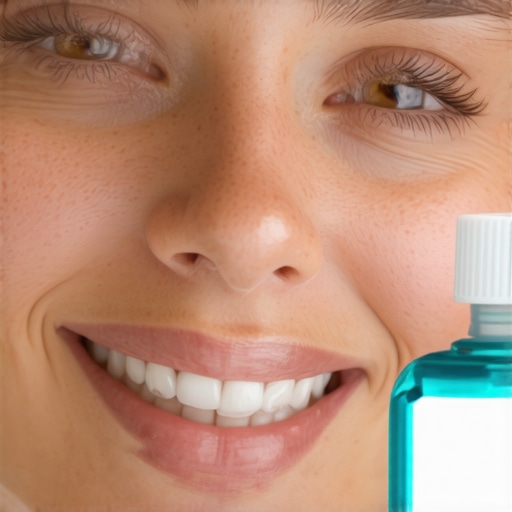
It was a morning like any other when I looked in the mirror and noticed a strange, bitter taste lingering on my tongue. My mouth felt drier than usual, and I realized I had been rinsing with that popular alcohol-based mouthwash for years without a second thought. Suddenly, a lightbulb went off—what if my routine was doing more harm than good? That moment made me question everything I thought I knew about oral hygiene, especially the products I trusted.
The Hidden Dangers of Alcohol-Based Mouthwash
Many of us believe that mouthwash is an essential step to maintaining fresh breath and eliminating germs. It’s marketed as a quick and easy solution to oral cleanliness. However, I discovered that alcohol-heavy mouthwashes can actually damage your gums and oral tissues over time. The alcohol in these rinses, typically ethanol or isopropyl alcohol, can dry out your mouth, leading to irritation, inflammation, and even receding gums. These issues can compromise your dental health much more than you expect.
According to a study published in the Journal of Clinical Dentistry, alcohol-based mouthwashes can decrease saliva production, which plays a crucial role in naturally cleaning your teeth and protecting against decay. Saliva is your mouth’s natural defense system, and if you’re impairing it with harsh chemicals, you’re setting yourself up for long-term problems.
If you’re like I was, you might be wondering: “Is switching off alcohol-based mouthwash really worth it?” Well, let’s explore this together and see how small changes can lead to a healthier, brighter smile.
Have You Faced the ‘Dry Mouth’ Problem After Rinsing?
Honestly, my biggest early mistake was neglecting the fact that alcohol dries out tissues and worsens oral health. I thought I was doing the right thing by using the recommended brand, but I was unknowingly exacerbating my issues. That’s why I want to share my experience and help others avoid the same pitfalls. For more insights on proper crown care and ensuring your dental investments last, check out this guide on [caring for crowns](https://periodontistcare.com/caring-for-crowns-essential-tips-for-longevity-and-shine).
Knowing the dangers is the first step. The next? Finding gentle, effective solutions that support your oral wellness. Ready to learn how to replace that drying rinse with smarter alternatives? Keep reading, because the difference in your dental health might just surprise you.
During a messy morning, I decided to test a new approach—swapping my alcohol-based rinse for a natural herbal mouthwash. I gently gargled, noticing my mouth stayed fresh without the dryness or irritation. This small change had an immediate positive impact, and I recommend trying alcohol-free rinses with ingredients like aloe or tea tree oil, which can support oral health without the drying effect.
Look for labels that indicate alcohol-free and contain fluoride, xylitol, or natural antibacterial agents. These help maintain your mouth’s moisture and fight plaque effectively. I found that switching to a product like this reduced discomfort and improved my breath. For a well-informed switch, explore caring for crowns to ensure your routine aligns with your dental investments.
Imagine your teeth as a medieval castle—brushing is the moat, protecting against invaders like plaque and tartar. During my first attempt at adjusting my technique, I used a soft-bristled toothbrush at a 45-degree angle and gentle circular motions, focusing on gum line and crown edges. I also slipped in floss, curving it around each tooth in a ‘C’ shape, removing debris that deposit plaque.
Opt for a soft-bristled brush to avoid gum recession, and replace it every three months. Electric toothbrushes with timers can help maintain proper brushing duration—aim for two minutes twice a day. When flossing, make sure to glide beneath the gum line and clean both sides of each tooth, especially around crowns and bridges, to prevent decay and gum disease. For more detailed guidance, see teeth cleaning secrets for families.
One afternoon, I dedicated time to cleaning my tongue and cheeks, recognizing that bacteria hide in these areas. Using a tongue scraper, I gently removed buildup, revealing a cleaner, fresher mouth. Incorporate this step daily to reduce bad breath and bacteria. Additionally, rinsing with a saline solution can soothe tissues and reduce inflammation, especially around sensitive crown margins.
While home care is vital, nothing replaces professional cleanings. I scheduled a dental appointment every six months, during which my hygienist performed scaling and polishing—removing tartar and plaque that home tools can’t reach. Regular visits prevent issues like gum recession or decay around crowns, extending your oral health investment. To understand how professional cleaning benefits your crowns, review the impact of regular teeth cleaning.
Many people believe that once a dental crown is installed, their role in maintaining it ends there. However, **the nuance lies in understanding that crowns aren’t just static solutions**; they require ongoing care to ensure longevity and health. A common myth is that crowns are invincible and won’t decay or cause issues over time, but in reality, neglect can lead to crown failure, gum recession, and even secondary decay. Advanced mistakes, such as ignoring signs of misfit or overestimating the durability of crowns, can compromise your investment and overall oral health. Experts warn that many overlook the importance of proper cleaning around crowns, which can trap plaque and bacteria, leading to gum disease that affects the support structures of the crown itself. According to a 2019 study published in the Journal of Prosthetic Dentistry, improper maintenance around crowns can significantly reduce their lifespan, emphasizing the importance of meticulous oral hygiene routines. Are you aware of the subtle signs indicating that your crowns need professional attention? Recognizing early symptoms can prevent costly repairs or replacements. For instance, persistent sensitivity or slight loosening shouldn’t be ignored, as they may signal underlying issues. Engaging with a dental professional for regular check-ups ensures that any problems are caught before they escalate, extending the life of your restorations. Moreover, understanding the impact of family dentistry on your child’s oral health is vital; early guidance can instill lifelong habits that preserve both natural teeth and restorations. Remember, maintaining your crown isn’t just about brushing; it involves comprehensive care, including flossing techniques tailored for crowns and regular professional cleanings. Investing time in your dental health now pays off by preserving your smile and avoiding avoidable complications.Maintaining your crowns and overall oral health requires more than just good brushing habits; it demands the right tools and techniques to ensure longevity and effectiveness. One essential gadget I swear by is a **Water Flosser**, specifically the **Oral-B Water Flossers**. I personally use the **Oral-B Water Floss** because its adjustable pressure settings allow me to customize the flow for gentle yet thorough cleaning around crowns and bridges, reducing plaque buildup behind these restorations. This tool is a game-changer, especially for navigating tight spaces that floss can’t always reach effectively, helping prevent secondary decay around restorations.
Another equipment staple I rely on is a **Smart Electric Toothbrush** like the **Philips Sonicare DiamondClean**. Its oscillating-rotating action provides superior plaque removal compared to manual brushing. I set the timer to ensure I brush for the recommended two minutes and use the pressure sensor, which alerts me if I tend to brush too hard—crucial for protecting sensitive crown margins and gum tissue.
For maintaining oral hygiene at home, I recommend the use of **xylitol-based mouthwashes**, like **TheraMints or Jolly Rancher Xylitol** rinses, which I incorporate into my routine because they stimulate saliva production and inhibit cavity-causing bacteria without the drying effects of alcohol-based rinses. Switching to an alcohol-free mouthwash, as discussed earlier, greatly supports maintaining moisture around crowns and gum tissue, contributing to long-term health.
**UV Sanitizers** for toothbrushes are also part of my toolkit. I prefer the **CleanWave Portable UV Toothbrush Sanitizer** because it reduces bacterial load on my brushing tools, especially important when traveling or during flu season. This simple step helps prevent reinfection or bacteria transfer, keeping my oral microbiome healthy.
Looking ahead, I predict the market for **smart dental devices** will expand, integrating AI to personalize oral care routines even further. Advances like **toothbrushes with AI-powered sensors** that analyze your brushing habits in real-time and provide feedback are on the horizon, promising to elevate long-term results.
How do I keep these tools working efficiently over time? Regular maintenance is key. I clean my electric toothbrush heads and water flosser tips weekly with hydrogen peroxide or vinegar solutions to prevent microbial buildup. Replacing toothbrush heads every three months prevents bacteria harboring and ensures effective cleaning. Additionally, I check and replace filters in my water flosser bi-annually—more frequently if I notice decreased pressure.
For optimal long-term results, remember that these tools should complement scheduled professional cleanings. During my biannual visits, my hygienist performs deep cleaning and checks for early signs around crowns and gums, ensuring my at-home routine remains effective. To stay informed about proper maintenance, I recommend reviewing the dos and don’ts for maintaining dental crowns.
Investing in quality tools and caring for them diligently not only prolongs your dental work but also idoes wonders for your confidence and overall health. Try integrating a water flosser into your routine today, and notice the difference it makes in maintaining those hard-to-reach areas around your crowns.
Throughout my journey in understanding crowns, family dentistry, and oral health, I realized that the most valuable lessons often come from experience, not just textbooks. One lesson that stood out was how overlooked routine maintenance can silently compromise your smile and denture investments. Knowing the importance of diligent care and the right tools has transformed my dental routine from reactive to proactive, ensuring my crowns and natural teeth stay healthier longer.
Lessons That Changed My Perspective on Crowns and Oral Care
- Small habits hold big consequences: Neglecting daily flossing or using improper techniques around crowns can lead to premature wear or decay. I learned that consistency and gentle, correct practices are your best allies.
- The power of personalized tools: Not all toothbrushes or flossers are created equal. Investing in electric brushes or water flossers tailored for crowns made a noticeable difference in my maintenance routine.
- Regular professional checkups are non-negotiable: The routine cleanings and exams uncovered issues before they escalated, extending the lifespan of my crowns and overall oral health.
- Understanding the science behind materials: Knowing why zirconia crowns are durable and how proper cleaning preserves their shine motivated me to keep up with best practices and avoid harsh chemicals.
- Holistic oral health impacts confidence: Addressing issues proactively not only preserves my smile but also boosts my self-esteem and social comfort.
My Go-To Resources for Crown and Family Dental Care
- Caring for crowns: Offers expert-guided maintenance tips that have kept my restorations pristine for years.
- Crowns maintenance: A detailed resource that clarifies what practices preserve crown integrity.
- Home dental routines: Easy-to-follow methods that fit into busy schedules and deliver noticeable benefits.
- Family dentistry insights: Provides guidance on establishing lifelong healthy habits for every family member.
Take the First Step Toward a More Confident Smile Today
Investing in your oral health, especially caring for crowns and natural teeth, is an ongoing journey. Its rewards go beyond aesthetics; they shape your confidence and overall well-being. Don’t let outdated practices or misconceptions hold you back from achieving optimal results. Start incorporating expert tips and quality tools into your routine today, and watch your smile shine brighter with each passing day.
What’s one small change you’re willing to try to improve your crown care routine? Share below—your experience might inspire someone else to take action!