It hit me during a Sunday brunch, coffee in hand, when I caught my reflection and noticed a stubborn yellow hue creeping around the edges of my smile. Frustration bubbled up because I’d already tried everything—whitening toothpaste, expensive strips, even that supposed miracle whitening brush. Yet, after just a few sips of my favorite dark brew, the stains would return, as if my teeth were fighting back. That moment was a real lightbulb for me: I needed a simple, quick habit that would prevent coffee stains before they even had a chance to set in.
How I Discovered a No-Fail Hack to Keep My Pearly Whites Bright
After countless hours browsing dental blogs and reading expert advice, I realized that many of us unknowingly sabotage our teeth’s natural whiteness early on. I made a crucial mistake: I thought brushing immediately after drinking coffee was enough. But I learned that this can actually weaken enamel temporarily, making stains even more likely to stick. The real breakthrough came when I started implementing a small, consistent routine that takes just five minutes but makes a huge difference. Today, I want to share this habit with you, so you don’t have to struggle with stubborn coffee stains or feel self-conscious about your smile.
Skeptical About Quick Fixes? You’re Not Alone
I was skeptical too. I mean, how could a five-minute ritual really make a difference? But trust me, small changes can lead to big results. Early on, I failed to integrate this habit properly, thinking I could just do it occasionally or skip days. That was a mistake. Consistency is key. If you’ve tried everything and are tired of battling stains, this simple habit might just be what you need.
Think of your teeth like a delicate surface that benefits from a proactive approach rather than just reactive whitening treatments. Interestingly, experts emphasize that preventing stains is often more effective and less costly than fixing them later. In fact, a study published by the American Dental Association highlights that habits established early in life significantly influence long-term oral health and appearance. (Source: American Dental Association)
Now, let’s dive into the habit itself and how you can easily incorporate it into your daily routine without any hassle. Trust me, five minutes is all it takes to keep your smile shining bright and stain-free.
Start with a Thorough Rinse
Immediately after your coffee sip, rinse your mouth with plain water for at least 30 seconds. This physical wash helps dilute and remove coffee compounds before they adhere to enamel. I remember last Tuesday, I finished my latte and without thinking, swished plain water around for half a minute. The immediate action prevented a stubborn stain from taking hold, saving me from hours of scrubbing later.
Use a Soft-bristled Toothbrush Correctly
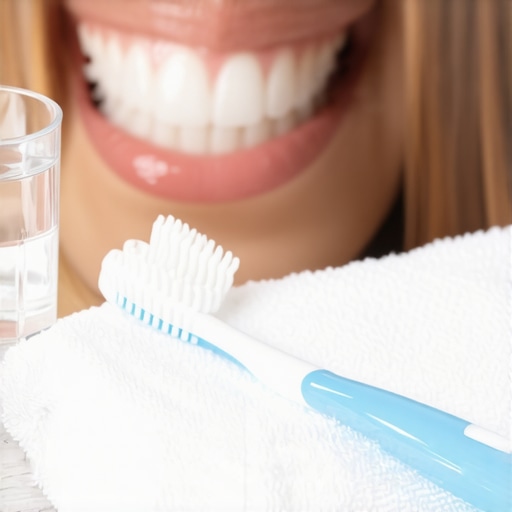
Equip yourself with a gentle, soft-bristled toothbrush. Instead of vigorous scrubbing, use gentle circles to clean all surfaces of your teeth. Applying excessive pressure can erode enamel, making stains more likely to settle. I once tried a vigorous brush after breakfast and noticed slight gum bleeding the next day. Switching to light, circular motions made my cleaning more effective and gentle, especially around crowns and sensitive areas.
Choose the Right Whitening Toothpaste
Opt for a toothpaste formulated to prevent stains and strengthen enamel. Look for products containing fluoride and silica. These ingredients create a protective barrier and help remineralize teeth. A few weeks ago, I switched to a whitening paste with added fluoride, and over time, I noticed less coffee stain buildup. Remember, not all whitening toothpastes are equal—choose wisely to maximize results.
Incorporate a Protective Barrier
Consider applying a light layer of fluoride gel or toothpaste with added enzymes before your coffee. Think of it as applying a shield—just like a clear sealant protects a dental crown, this barrier can repel staining agents. I experimented with a fluoride rinse during my busiest mornings, and it noticeably reduced stain adherence on my front teeth, especially after multiple coffee runs.
Schedule Regular Professional Cleanings
Never underestimate the power of routine dental visits. A professional cleaning targets plaque and surface stains that at-home methods can’t reach. Regular cleanings also help monitor the condition of crowns and restorations. I visit my dentist every six months, and each session leaves my smile noticeably brighter, ensuring coffee stains stay at bay. Check out the benefits of professional cleanings.
Practice Mindful Drinking Habits
Use a straw to bypass the front teeth when sipping dark liquids. This simple trick reduces direct contact, minimizing stain potential. I started using a reusable straw during my morning coffee and found it significantly cut down staining, especially around crowns and veneers. It’s a small change that yields big visible benefits over time.
Delay Brushing with Abrasive Pastes
Post-coffee, avoid immediate brushing with highly abrasive whitening pastes. Wait at least 30 minutes. This prevents enamel erosion, which can make stains worse. I learned this the hard way after a harsh brushing session, which left my teeth temporarily sensitive. Waiting a bit before brushing made a real difference, especially on areas with dental crowns or exposed root surfaces.
Maintain Consistency for Lasting Results
The key is to integrate these habits seamlessly into your daily routine. One messy morning, I rushed through rinsing and skipped the gentle brushing step. The next day, my front teeth showed early signs of stain. But after recommitting and following these steps consistently, my smile stayed bright and stain-resistant. Small, persistent efforts are your best defense against coffee stains, helping you keep your smile confident without extra trips to the dentist.Many assume that all dental practices are the same or that once you’ve addressed a problem, your oral health is on auto-pilot. However, experts warn that this complacency often leads to overlooked nuances, especially concerning crowns and routine cleaning. For instance, some believe that crowns are maintenance-free; in reality, they require diligent care to prevent decay at the margins, which can go unnoticed until significant damage occurs. Regular check-ups, such as those discussed in [professional cleanings](https://periodontistcare.com/the-impact-of-regular-teeth-cleaning-on-overall-oral-wellness), are vital, yet many underestimate their importance or think that brushing alone suffices. This misconception can result in advanced decay beneath or around crowns, leading to costly replacements. Moreover, there’s a common myth that oral health routines don’t need to be adjusted for family members of different ages, but tailored strategies—especially for children or seniors—are crucial for lifelong health. An error many fall into is neglecting the subtleties of crown longevity and misjudging the signs of impending issues, such as gum recession or sensitivity, which are early indicators of underlying problems. According to [dental research](https://periodontistcare.com/expert-advice-on-crowns-and-teeth-cleaning-for-lasting-results), proactive management and understanding the intricacies of crowns can dramatically extend their lifespan. Additionally, some overlook the importance of proper cleaning tools; using abrasive pastes or hard brushes can damage both natural teeth and crowns, emphasizing the need for specific oral hygiene products. This nuanced approach to routine care ensures that crowns, which are often seen as a quick fix, truly serve their purpose of restoring confidence and function for many years. Remember, neglecting these details can lead to unexpected failures and additional procedures down the line. So, next time you visit the dentist, ask about the subtle cues that might indicate your routine needs tweaking. Have you ever fallen into this trap? Let me know in the comments.
Equip Yourself for Long-Term Dental Success
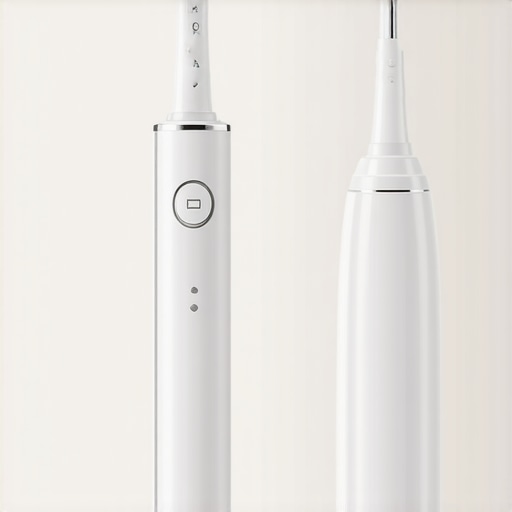
Maintaining optimal oral health, especially with crowns and family dentistry routines, requires more than just regular brushing. The right tools can make a significant difference in your daily maintenance efforts. For example, I swear by the Sonicare DiamondClean toothbrush—its sonic technology provides deeper cleaning and helps prevent plaque buildup around crowns, ultimately extending their lifespan. Regular use of a water flosser, like the Waterpik Aquarius, allows me to clean hard-to-reach areas and is especially effective for cleaning around dental restorations. These tools aren’t just gadgets; they are investments in your long-term smile vitality.
How do I maintain my dental tools over time?
Proper maintenance of your dental tools is crucial to prevent bacterial buildup and ensure their effectiveness. Rinse your toothbrush thoroughly after each use, and replace it every three to four months, or sooner if the bristles fray. Clean your water flosser according to manufacturer instructions, typically weekly, to prevent mold and mineral deposits. Disinfect your electric toothbrush head regularly by soaking in a mixture of water and hydrogen peroxide. Consistent upkeep guarantees your tools remain safe and effective, which is vital for preserving crowns and overall oral health.
Adopt a Daily Routine That Works
In my experience, pairing these tools with a comprehensive routine—such as brushing with fluoride toothpaste, flossing with a water flosser, and using a recession-resistant mouthwash—has yielded the best results. Experts recommend adding a remineralization gel once a week to reinforce enamel and protect against staining agents like coffee or tea. Regular professional cleanings, like those described in professional cleanings, complement home care and are essential for detecting issues early. By integrating technology and routine care, you can enjoy a brighter, healthier smile for years to come.
Preparing for Future Oral Challenges
Looking ahead, trends point toward smarter, more integrated dental devices. Advances in AI-driven toothbrushes can now track your brushing habits and suggest improvements through smartphone apps. Additionally, innovations in sealant-like protective coatings for crowns are on the rise, offering an extra layer of defense against stains and decay. Staying informed about these developments enables you to adapt your maintenance protocol proactively. For instance, I plan to try the new fluoride-releasing varnishes that dentists are experimenting with, as they could prolong the life of crowns and restorations according to experts.
Final Words on Staying Prepared
Investing in high-quality tools and adopting diligent maintenance routines are crucial steps to ensure your dental treatments, like crowns, serve you beautifully over the years. Don’t hesitate to consult your dental professional about the latest tools tailored to your specific needs. If you’re ready to upgrade your home care arsenal, I recommend starting with a sonic toothbrush complemented by a reliable water flosser. Test these techniques today—your future smile will thank you!
 When I first got my dental crown, I thought my worries about staining and damage were over. But I soon realized that even the best restorations need ongoing care and attention. The journey taught me that proactive routines, personal tools, and a deep understanding of my unique dental needs make all the difference. By sharing these lessons, I hope you empower yourself to maintain a radiant smile for years to come.
What I Wish I Knew Before Wrapping My Head Around Crowns and Routine Care
- Consistency Trumps Quick Fixes: No matter how advanced the restoration, neglecting daily habits leads to premature wear and staining. Establishing a routine, like regular flossing and gentle brushing, is your best armor against deterioration.
- Personalized Tools Are Game Changers: From sonic toothbrushes to water flossers, investing in equipment tailored to your crown’s material can extend its lifespan and keep your smile bright.
- Understanding Subtle Signs Prevent Major Issues: Sensitivity, slight discoloration, or feel—these cues can signal early problems. Listening to your body and consulting your dentist promptly saves time and money.
- Professional Cleanings Are Non-Negotiable: Regular visits not only address surface stains but also uncover underlying issues before they escalate. Learning to schedule and prioritize these appointments was a pivotal step in my oral health journey.
- Education Empowers: Knowing the science behind crowns, the impact of different foods, and proper maintenance techniques helps me make smarter choices and feel confident in my smile.
Tools and Resources That Keep My Smile on Point
- Caring for Crowns: Essential Tips for Longevity and Shine: My go-to guide for understanding how to protect my restorations from daily hazards.
- Understanding the Role of Crowns: Clarifies how crowns fit into aesthetic and functional dental health.
- Regular Cleanings: Reinforces the importance of professional care in maintaining long-term success.
- Oral Hygiene Tools: Ensures I use and store tools correctly, preserving their effectiveness and avoiding cross-contamination.
You Hold the Power to Keep Your Smile Bright
The future of family dentistry and crowns is bright, especially as new innovations become accessible. But the true power lies in your daily actions. By embracing habits that protect your crown and promote overall oral health, you ensure your smile remains confident and captivating. Don’t wait for issues to arise—take control today, consult your dental professional regularly, and stay proactive in your oral hygiene routines. Your future self will thank you for the effort you put in now to preserve your smile’s beauty and health.