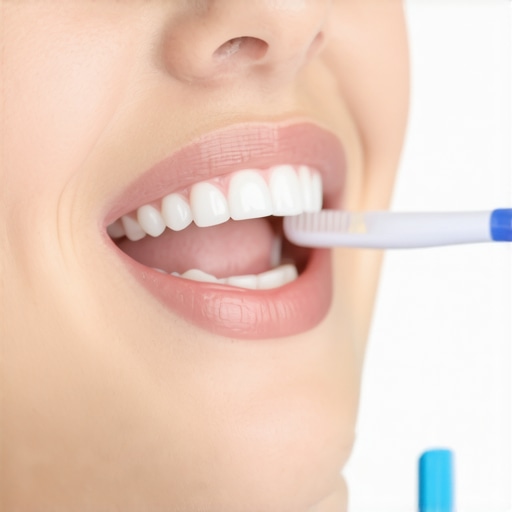
I remember the moment vividly—sitting in my bathroom, staring at my reflection, toothbrush in hand, and realizing that my usual routine just wasn’t cutting it anymore. After getting a dental bridge, everything changed. Suddenly, I found myself wrestling with stubborn plaque, little food particles hiding where I least expected, and a frustrating feeling of insecurity about my smile. It was like navigating a minefield every time I brushed or flossed. Have you ever experienced that lightbulb moment where you realize your oral hygiene routine needs a serious upgrade? If so, you’re not alone.
Why Maintaining a Consistent Oral Hygiene Routine Matters More Than Ever
Wearing a bridge is fantastic for restoring your smile, but it does come with its unique challenges. Without the right care, you’re at increased risk of plaque buildup, decay around the abutments, and even gum disease. I learned this the hard way when I neglected certain maintenance steps early on—luckily, I caught it before things escalated. Research shows that proper brushing and flossing are essential to ensure the longevity of your crown or bridge, preventing costly repairs or replacements down the line. Want to keep your dental investment looking and feeling brand new? Then sticking to a tailored routine is non-negotiable.
Is Special Care for Bridges Really Necessary or Just Overhyped?
Like many, I was initially skeptical—thinking, “Is it really that different from regular brushing?” Early on, I made the mistake of being complacent, assuming that my standard routine would suffice. That mistake almost cost me a crown when food and plaque managed to sneak underneath the bridge, causing irritation and minor decay. It was a wake-up call that emphasized the importance of dedicated care. If you’re wondering whether your current practices are enough, I strongly recommend consulting resources like this guide on crowns and teeth cleaning for expert tips, ensuring your routine promotes lasting results.
Establish a Daily Routine That Works
Start by committing to brushing twice a day using a soft-bristled electric toothbrush, which is gentler on crowns and natural teeth alike. I once tried manual brushing after years of electric use, but I soon noticed I missed spots and felt less effective. Switching back to my electric brush made a noticeable difference. Make this your foundation before tackling more advanced techniques.
Target Hidden Bacteria with Flossing
Flossing isn’t just about removing plaque; it’s about cleaning the tiny spaces your toothbrush can’t reach. Use a water flosser for better removal around dental bridges—it’s like giving your gums a power wash. I remember my first time using one; the water jet startled me at first, but the sensation of clean gums made it worth the mess. Aim to floss at least once daily, focusing on areas under the bridge and along the gumline.
Use the Right Tools for Cresting Food Particles
Specialized dental picks or interdental brushes are your best allies. I found that small, angled brushes easily slipped between my teeth and under my bridge, effectively dislodging lodged food. Think of them as tiny scrub brushes that target stubborn debris without damaging your crowns. Regularly replace these tools to maintain effectiveness and hygiene.
Incorporate Effective Rinsing Techniques
An antiseptic mouthwash can reduce bacteria and inflammation—just ensure it’s alcohol-free to prevent dry mouth. Rinsing for at least 30 seconds after brushing and flossing helps neutralize remaining bacteria. I once skipped this step, only to notice a lingering metallic taste from my crowns. Rinsing seals the deal for a thorough clean.
Schedule Professional Cleanings Regularly
Even with diligent home care, professional cleanings are essential. I was surprised how much plaque still built up around my bridge, despite daily brushing. Visiting the dentist twice a year keeps your oral environment optimal and catches issues early. Consider consulting resources like this expert guide to understand what your professional cleaning should include.
Inspect and Maintain Your Crowns
Regularly check your crowns for chips or irregularities. I noticed a slight roughness and promptly scheduled an appointment. Using a dental mirror helps spot these issues early. For more tips on extending your crowns’ lifespan, visit this resource.
Nutritious Snacks Support Dental Health
Eating crunchy fruits and vegetables like apples and carrots can naturally clean teeth while providing essential nutrients. I incorporated these into my diet after noticing that sugary snacks increased plaque buildup around my bridge. Remember, what you eat directly influences your oral health.
When it comes to dental care, there’s a common misconception that brushing, flossing, and routine checkups are enough for optimal oral health. However, as an expert in family dentistry and crown maintenance, I can tell you there’s more beneath the surface—nuances that can make or break your smile longevity. For instance, many believe that aggressive brushing is beneficial, but in reality, it can erode enamel and recede gums, especially around crowns and bridges. Using a soft-bristled electric toothbrush with proper technique is far more effective and safer, a detail often overlooked by many.
Another widespread myth is that flossing is optional or only necessary for removing surface plaque. In truth, neglecting interdental cleaning allows bacteria to thrive in hard-to-reach areas, leading to decay and gum disease. Employing water flossers or interdental brushes tailored for dental restorations can significantly reduce this risk. But beware of the trap: some think that flossing can damage crowns if done aggressively. Proper, gentle flossing along the contours of your restorations is key—overdoing it can cause unnecessary wear or loosening.
Why is neglecting the subtle signs of crown deterioration a costly mistake?
Often, patients overlook minor irregularities around their crowns—such as slight roughness or gum irritation—assuming they’re normal. This oversight can lead to more serious issues like secondary decay, gum recession, or crown failure, which require expensive procedures. Regular inspections by a specialist and using magnified mirrors at home can reveal these signs early. Incorporating professional cleanings and checkups at least twice a year is vital; not just for cleaning, but for identifying early wear patterns or microfractures that aren’t visible to the naked eye.
Advanced techniques like laser periodontal therapy or chairside crown repairs are game-changers, but only if issues are caught early. I’ve seen cases where overlooked damage escalated from minor chips to total crown failure, emphasizing the importance of understanding the nuanced signs of wear and decay. For best results, familiarize yourself with [this guide on crowns and teeth cleaning](https://periodontistcare.com/expert-advice-on-crowns-and-teeth-cleaning-for-lasting-results) to deepen your knowledge, and never dismiss the importance of specialized care.
Additionally, some forget that dietary habits influence the integrity of crowns and surrounding tissues. Consuming acidic or sugary foods can accelerate deterioration, even beneath a well-fitted crown. Regularly incorporating nutrient-rich, non-acidic snacks supports the health of your entire oral environment. Remember, a comprehensive approach that combines expert advice, proper tools, and mindful habits is the key to a resilient, healthy smile. Have you ever fallen into this trap? Let me know in the comments.
Maintaining your oral health over time isn’t just about the basics—it requires the right tools and methods that adapt to your evolving needs. As someone who has navigated the complexities of family dentistry and crown care, I can attest that investing in quality equipment makes all the difference. One essential tool I personally recommend is the water flosser. Unlike traditional floss, it delivers a pulsating stream that effectively cleans around crowns and bridges, reaching areas manual floss struggles with. I use mine daily, especially after meals, to dislodge stubborn food particles, preventing plaque buildup and gum irritation.
Another game-changer in my routine has been the electric toothbrush. I favor models with oscillating-rotating heads because they offer superior plaque removal and are gentler on my crowns. I personally use the Sonicare DiamondClean due to its adaptive pressure sensors, which help prevent damage from aggressive brushing—something I’ve learned the hard way over years of careless scrubbing. Proper brushing technique is crucial; using gentle, circular motions ensures your crowns and natural teeth are preserved while maintaining oral hygiene excellence.
To keep my tools in tip-top shape, I rely on routine replacements: brush heads every three months and floss or interdental brushes monthly. Maintaining hygiene with clean tools not only maximizes effectiveness but also protects against bacterial transfer. I also incorporate advanced rinsing using an alcohol-free, antiseptic mouthwash, which I find helps reduce lingering bacteria around my crowns, especially after late-night brushing sessions. To get the maximum benefit, rinse for 30 seconds and avoid alcohol-based variants that dry out your mouth, ironically increasing bacterial growth.
Looking ahead, the trend in oral health points toward smart technology integration. Devices that connect to smartphone apps, providing feedback on brushing patterns and pressure, are becoming popular. I predict that in the next few years, we’ll see even smarter tools with AI-driven insights, helping us personalize routines for optimal long-term results. For now, integrating a water flosser and a quality electric toothbrush into your daily routine can significantly boost your crown longevity and overall dental wellness.
How do I maintain my tools and techniques for sustained results?
Regularly update and replace your equipment—think of it as tuning a high-performance engine. Keep an eye on brush head wear, replace floss or interdental brushes frequently, and stay informed about emerging technologies. Visiting your dentist for professional cleanings and checkups at least twice a year is equally important—they can spot microfractures or early signs of wear that might escape your notice. For expert insights, I recommend reviewing this resource on crowns and teeth cleaning. Finally, don’t hesitate to try one of the advanced tools I mentioned; a small investment today can save you significant time, expense, and discomfort in the future, ensuring your smile remains beautiful and functional for years to come.
Lessons That Only Experienced Smile Keepers Learn
- Early in my journey, I underestimated how small details like a tiny gum flare or slight roughness around a crown could signal trouble ahead. Catching these early, I realized, saves not just money but the comfort of a pain-free smile.
- Realizing the importance of the right tools was a game-changer. I once thought using the cheapest floss was enough—then I discovered how interdental brushes tailored for crowns make cleaning under bridges effortless and effective.
- Investing in professional cleanings was a lesson in humility. Regular visits aren’t just about hygiene—they’re about catching subtle signs of wear or microfractures before they escalate, preserving your smile’s integrity long-term.
Tools That Made a Difference for My Dental Confidence
- The water flosser became my secret weapon; its pulsating jet cleans where traditional floss can’t reach, especially around crowns and bridges, with ease.
- Switching to a quality electric toothbrush with pressure sensors saved my gums and preserved my crowns. Gentle, yet thorough, brushing is now an expectation, not an exception.
- Choosing a reliable mouthwash that’s alcohol-free and antiseptic helped me maintain a fresh environment, especially after late-night routines. Small changes, big results.
Your Smile’s Future Starts Now
Every step you take towards better oral care is an investment in your confidence and comfort. Remember, a resilient smile isn’t built overnight—it’s crafted daily with mindful habits and the right tools. Whether you’re maintaining a crown or simply aiming for that radiant, healthy glow, the journey of good dental health is ongoing—and well worth it. So, why not start today? Your future self will thank you for it.
What’s the one area of your dental routine you’re eager to improve? Share your thoughts below—I’d love to hear your story!