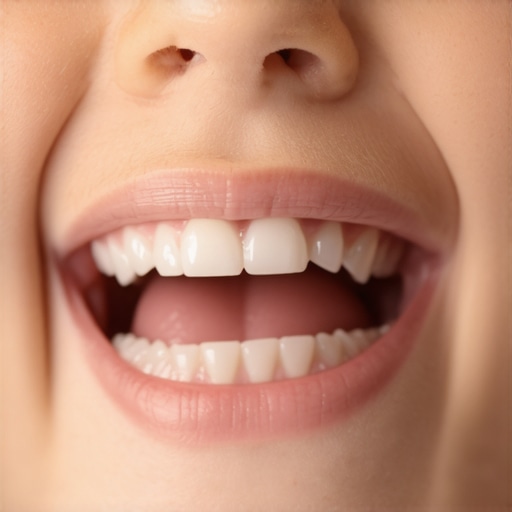
I remember the day I first noticed one of my child’s teeth looked unusually large and started to peek through before the tiny baby tooth had even loosened. Panic set in—it felt like his mouth was a construction zone, with new teeth crowding and shifting in unexpected ways. That lightbulb moment made me realize: there’s more to early adult teeth emergence than I had ever considered, and it can actually be quite common.
Decoding Early Adult Teeth Growth in Kids
When children start sprouting adult teeth earlier than expected, it can be confusing and sometimes even worrying for parents. You might wonder if something is wrong or if it’s part of a normal process. Well, I can tell you from experience and research that in many cases, it’s just a variation of normal development.
The key is understanding why this happens and what it means for your child’s oral health. Sometimes, the adult teeth are simply trying to make their debut ahead of schedule, and that can be influenced by genetics, nutrition, or early loss of baby teeth. But knowing the ins-and-outs helps us stay proactive rather than reactive.
If you’ve noticed an adult tooth popping in too early, don’t panic. It’s not an automatic sign of trouble. Instead, it signals the importance of a visit to your family dentist, who can assess whether everything is proceeding normally or if intervention might be needed. Remember, early signs of misaligned teeth or crowding can be managed better if caught early.
Speaking from my own oversight, I initially dismissed early adult teeth growth as just a quirky developmental phase. That mistake made me wish I had consulted a specialist sooner, as early intervention can prevent more complex orthodontic issues down the line. For example, knowing about [the role of crowns in modern smile makeovers](https://periodontistcare.com/understanding-the-role-of-crowns-in-modern-smile-makeovers) can be surprisingly relevant if your child’s dental development runs into complications.
Today, I want to share with you some insights and practical advice to help you navigate this developmental phase confidently. Whether it’s understanding the signs, knowing when to seek professional advice, or learning how to support your child’s oral health routine, my goal is to help you be well-informed. So, have you faced this unexpected timing in your child’s dental growth? If so, you’re not alone. Let’s explore what’s really going on when those first adult teeth appear early.
Schedule a Professional Dental Evaluation Immediately
Once you notice a child’s adult teeth emerging prematurely, make an appointment with your family dentist without delay. Think of this visit as a routine health check-up, but for their teeth—it’s like taking your car for a tune-up before a long trip. During the appointment, the dentist will assess whether the early eruption signals a need for intervention or is simply a benign variation.
Document Changes for Accurate Tracking
Keep a detailed record of any noticeable dental changes—photos, dates, and descriptions. Imagine you’re a detective gathering clues; this documentation can be invaluable if further action is needed. Share these details with your dentist to help them understand the progression and make informed recommendations.
Implement a Robust Oral Hygiene Routine
Establish a daily routine that includes thorough brushing, flossing, and the use of mouthwash—think of it as preparing your child’s mouth like a fortress against decay and gum issues. Use a soft-bristled electric toothbrush for better plaque removal and to gently clean around emerging teeth. For tips on how to make this routine effective, visit this guide.
Support Proper Dental Cleaning Practices at Home
Instruct your child on proper brushing techniques—aim for two minutes twice a day—and encourage regular flossing. Consider it like teaching them to wield a sword carefully; precision matters. For fun and effective methods to keep dental care engaging, check out these practices.
Introduce Gentle Dental Tools to Your Child
Use age-appropriate tools—smaller toothbrushes, flavored floss—to make dental hygiene less intimidating. Think of it as giving a tiny explorer the proper equipment to conquer a new territory. Transitioning them gradually helps to embed healthy habits that last a lifetime.
Modify Dietary Habits to Strengthen Development
Adjust their diet to include calcium-rich foods like dairy, leafy greens, and fortified plant milks—it’s like providing building blocks for their emerging teeth. Limit sugary snacks and drinks that can accelerate decay, much like removing obstacles from a path. A diet that supports dental health is essential, especially during this critical phase.
Emphasize the Importance of Regular Professional Cleanings
Schedule bi-annual cleanings so the dentist can monitor teeth alignment and identify issues early. Think of these visits as routine oil changes that keep your child’s smile running smoothly. Professional cleanings also remove tartar buildup that brushing alone can’t address, playing a crucial role in overall oral health.
Prepare for Orthodontic Consultation Timing
If misalignment or crowding is evident, discuss with your dentist the ideal age for orthodontic evaluation—usually around age seven. Early assessment can prevent more complicated procedures later. Remember, catching issues early is like pruning a tree before the branches become unruly—less invasive and more effective.
Learn About Modern Restorative Options
If a tooth is damaged or compromised, explore restorative options such as crowns, which act like protective armor—imagine a knight’s shield guarding a vital part. For children, zirconia crowns are increasingly popular due to their durability and natural appearance. Read more about this here for detailed insights.
Maintain Ongoing Support and Education
Consistently reinforce good habits and educate your child about the importance of oral health—think of it as cultivating a garden; regular care yields the best results. Keep communication open with dental professionals to stay updated on the latest best practices and innovations in pediatric dental care.
Many folks believe they know everything about dental crowns and routine teeth cleaning, but there’s more beneath the surface that many overlook. One common misconception is that once a crown is cemented, it needs little future attention—nothing could be further from the truth. Proper care, like **regularly caring for crowns**, is crucial for longevity, yet many neglect ongoing maintenance, leading to premature failure or decay beneath the restoration.
Another pitfall is assuming that teeth cleaning sessions are purely cosmetic. In reality, **professional cleanings** play a vital role in preventing periodontal disease and systemic health issues. Overlooking these sessions can foster plaque buildup and hidden infections.
Many individuals also underestimate the power of proper technique. For instance, using a medium-bristle toothbrush might seem comfortable, but **dentists recommend soft-bristled brushes** to prevent gum recession and enamel erosion. An advanced mistake is believing that whitening or other cosmetic procedures don’t impact underlying health; in fact, improper application or overuse can lead to sensitivity or damage, especially around crowns and fillings.
Why do some dental crowns fail despite good home care?
Think of a crown as a carefully engineered piece that depends on both quality materials and proper maintenance. Even with diligent brushing and flossing, issues like marginal decay can occur if there’s underlying misfit or if professional evaluations are skipped. Studies indicate that **monitoring crown margins** is vital for preventing recurrent decay, which isn’t always obvious to patients.
Knowing this, it’s essential to recognize that oral health isn’t solely about brushing and flossing but involves understanding the intricate interactions between restorations, gums, and teeth. Regular visits allow your dentist to spot lurking problems early, before they escalate. For example, proactive assessments can detect early signs of crown wear or marginal breakdown.
Finally, many forget the profound impact of lifestyle choices. Smoking, diet, and habits like nail-biting or teeth grinding can undermine both natural teeth and restorations. Maintaining a comprehensive approach—combining proper hygiene, lifestyle adjustments, and professional guidance—maximizes dental health.
Have you ever fallen into this trap of neglecting the detailed nuances? Share your experience below. Remember, lasting oral health demands awareness and proactive measures—don’t settle for surface-level solutions, dig deeper and enjoy a confident, healthy smile for years to come.Maintaining your dental restorations, especially crowns, requires more than simple brushing. I rely on specific tools that ensure longevity and optimal function. First, a high-quality electric toothbrush with a soft brush head, like the Philips Sonicare ProtectiveClean, offers gentle yet thorough cleaning around crowns and veneers, reducing plaque buildup that can compromise the work. I personally use a Sonicare because its sonic vibrations dislodge particles more effectively than manual brushing, especially in hard-to-reach areas. Second, an interdental brush such as the TePe Interdental Brushes allows me to clean around crowns and bridges where floss might struggle, helping prevent tartar accumulation and gum issues. I also recommend a water flosser, like the Waterpik Countertop Water Flosser, which I’ve found invaluable for cleaning under dental appliances—making maintenance effortless without damaging delicate restorations.
For daily routine, I utilize a fluoride mouthwash, which strengthens enamel and extends the lifespan of both natural teeth and restorations. Regular professional cleanings are vital, but the tools you use at home make a substantial difference. Additionally, I suggest scheduling annual evaluations with your dentist to assess crown integrity and address any early signs of wear or decay. According to a study in the *Journal of Clinical Dentistry*, consistent use of interdental brushes and water flossers significantly reduces restoration failures caused by plaque build-up.
Looking ahead, the trend is shifting towards smart, app-connected dental devices. Imagine a smart toothbrush that tracks your brushing habits and alerts you to missed spots—this could revolutionize home-maintenance for dental restorations. A great first step is to upgrade your routine with a proven electric toothbrush and a water flosser; I recommend trying these tools from trusted brands to experience the difference firsthand.
## How do I keep my crowns and restorations in top shape over time?
To maintain your dental work long-term, adhere to a consistent routine that integrates these specialized tools, complemented by regular professional check-ups. Proper cleaning techniques combined with the right equipment help prevent complications like decay, gum disease, or crown failure. Keep in mind that even a small oversight, like neglecting to clean beneath a crown, can lead to costly repairs down the line. For detailed tips on how to care for your crowns effectively, explore this expert advice. And don’t hesitate—try incorporating a water flosser into your routine today to see immediate benefits in oral cleanliness and restoration longevity.
What I Wish I Knew About Growing Pains in Kids’ Teeth
One of the biggest lightbulb moments in my dental journey was realizing that early adult teeth emergence isn’t always a sign of trouble—sometimes, it’s just a variation of normal development that can be managed effectively with the right approach. I learned that trusting instincts without professional guidance can lead to unnecessary worry, so seeking timely advice from a family dentist is crucial. Additionally, I discovered that incorporating the proper tools and routines—like soft-bristled electric toothbrushes and interdental brushes—makes a world of difference in preserving young smiles, especially during this critical growth phase.
Lastly, embracing ongoing education about modern restorative options, such as zirconia crowns, helps prevent setbacks if issues arise. This proactive attitude transformed my perspective, teaching me that staying informed and prepared empowers both parents and children to navigate dental development with confidence.