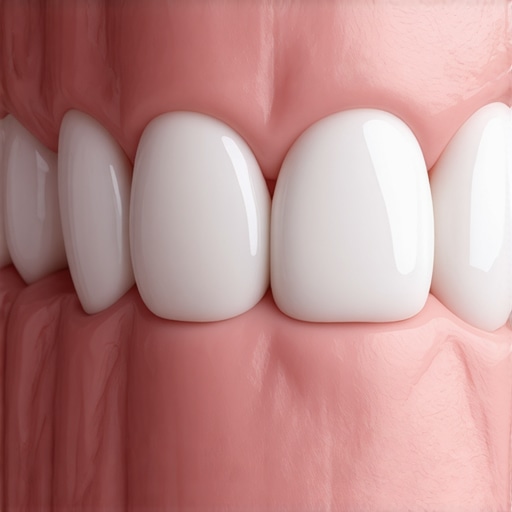
I remember the moment vividly. I stood in front of the mirror, toothbrush in hand, feeling confident after yet another thorough brushing. Yet, to my surprise, I noticed my gums seemed to have crept back, exposing more of my teeth. It was a lightbulb moment—despite my diligent routine, something wasn’t adding up. This realization sparked my deep dive into the real reasons behind gum recession and sparked a journey to understand what I was missing.
Gum Recession: More Than Just Poor Hygiene
If you’re like I was, brushing twice daily, using high-quality toothpaste, and flossing regularly, you might wonder why your gums still recede. The answer isn’t always about neglect or plaque buildup. In fact, gum recession can happen even in those who have impeccable oral hygiene routines. For many, the problem lies in factors like aggressive brushing, genetics, or unnoticed underlying health issues. Interestingly, research indicates that around 30% of people are genetically predisposed to gum problems, regardless of how well they care for their teeth (source).
Could I Be Missing Something?
Early in my journey, I made a mistake many do—overlooking the importance of gentle brushing and proper technique. I was using a medium-bristle toothbrush and applying too much pressure, thinking I was doing my gums a favor. But I was actually accelerating their recession. It took that honest mistake to realize that how you brush matters almost as much as how often. If you’ve ever wondered why your gums are still receding despite your diligent efforts, you’re not alone. And the good news? Once I adjusted my brushing habits and understood the root causes, I saw positive changes.
Today, we’re going to explore what truly causes gum recession, how to spot early signs, and practical steps to protect your gums so you can maintain that healthy smile you’ve worked so hard for. Ready to find out how to turn things around? Let’s dive in.
Master Your Brushing Technique
Start with a soft-bristled toothbrush to avoid damaging your gums. Place the brush at a 45-degree angle to your gum line, gently moving in short, circular motions. Focus on covering all surfaces of each tooth without applying excessive pressure, which can cause gum irritation or recession. I once used a medium-bristle brush and pressed too hard; after switching to a soft brush and light strokes, my gums stopped receding and even showed signs of healing.
Choose the Right Tools and Supplies
Select a toothpaste formulated for gum health, ideally one with soothing ingredients like aloe or chamomile. Incorporate interdental brushes or floss designed for sensitive gums to clean between teeth effectively. Consider an electric toothbrush with a timer to ensure proper duration and consistent pressure. I added an electric toothbrush to my routine, which made my brushing more uniform and gentle, resulting in healthier gums over a few weeks.
Implement Proper Flossing Habits
Use a gentle sawing motion to slide floss between teeth without snapping or forcing it. Curving the floss around each tooth in a C-shape helps remove plaque effectively. Flossing daily prevents the accumulation of bacteria that can contribute to gum recession. I learned that rushing through flossing can cause cuts or irritation; slowing down allowed me to clean more thoroughly without damaging my gums.
Schedule Regular Professional Cleanings
Professional cleanings remove tartar buildup that cannot be eliminated at home. Visit your dentist every six months or as recommended to maintain optimal gum health. During my appointments, my hygienist identified early signs of recession and provided tailored advice, reinforcing the importance of regular professional care. For additional tips on maintaining your crowns and ensuring their longevity, check out this guide.
Avoid Harmful Habits and Lifestyle Factors
Limit aggressive brushing, smoking, and excessive alcohol consumption—all of which can accelerate gum recession. Use your toothbrush with light pressure, and replace it every three months or sooner if bristles fray. If you grind your teeth at night, wearing a custom mouthguard can prevent undue stress on your gums and teeth. I stopped gripping my toothbrush tightly and noticed less gum sensitivity and improved overall comfort.
Monitor and Respond to Signs of Trouble
Early indicators like redness, swelling, or bleeding gums should not be ignored. Address issues promptly by consulting your dentist and adjusting your oral care routine. I kept a diary of my gum health, which helped me spot subtle changes early and seek professional advice before problems worsened. For strategies to maintain your dental crowns and ensure their proper care, see this resource.
While many believe that brushing twice a day and flossing regularly are sufficient for maintaining oral health, several nuanced factors can still undermine your efforts. One common myth is that aggressive brushing cleans better. In reality, applying too much pressure can damage your gums and accelerate recession, contradicting the widespread advice to brush vigorously for a thorough clean. Experts emphasize the importance of gentle, proper technique—using a soft-bristled toothbrush at a 45-degree angle and employing circular motions. This approach not only cleans effectively but also protects the delicate gum tissue.
Another misconception revolves around the use of mouthwash. Many assume that rinsing with an antiseptic mouthwash is a quick fix for bad breath or plaque. However, overuse or choosing the wrong formula can disrupt the natural oral microbiome, leading to unintended consequences like dry mouth or increased susceptibility to infections. Studies suggest that balancing your oral flora is crucial, and natural or fluoride-based rinses often provide better long-term benefits (source).
Advanced Challenge: How Does Fluoride Actually Work to Protect Your Teeth?
Many assume fluoride simply ‘kills’ bacteria or ‘hardens’ enamel, but the science reveals a more nuanced process. Fluoride enhances remineralization by forming a mineral barrier on the teeth, which makes enamel more resistant to acid attacks from bacteria and food. It also integrates into the enamel structure at a microscopic level, strengthening its resistance over time. This subtle but vital process underscores the importance of appropriate fluoride exposure—too much can cause fluorosis, but too little leaves your enamel vulnerable. For detailed guidance on optimal fluoride use, consult this article.
Furthermore, many overlook the critical role of family dentistry in early detection and prevention. Regular checkups allow professionals to identify hidden issues like micro-recession or early decalcification that aren’t visible to the untrained eye. Neglecting these early signs can lead to more invasive treatments down the line, such as crowns or root canals. Discover how a proactive approach can save you time and money here.
On the topic of crowns, many patients believe they’re a temporary fix or that they won’t need replacement. However, crowns can last 10-15 years if properly maintained, and neglecting this can result in leaks, decay underneath, or damage to the underlying tooth. Proper cleaning around crowns and avoiding harmful habits like biting into hard foods can extend their lifespan. Learn the best practices for crown care at this resource.
In essence, true oral health depends on understanding these deeper nuances—beyond just brushing and flossing. Recognizing the sophisticated science behind fluoride, the impact of proper technique, and the importance of early detection empowers you to make smarter choices. Have you ever fallen into this trap? Let me know in the comments.
Maintaining oral health isn’t just about brushing and flossing; it requires the right tools and a strategic approach to ensure long-term success. Over the years, I’ve honed my routine by investing in equipment that truly makes a difference. One essential upgrade was switching to a high-quality electric toothbrush, like the Philips Sonicare DiamondClean. Its sonic technology provides more effective plaque removal through rapid brush movements, and the built-in timer ensures you’re brushing for the recommended two minutes without guesswork. Personally, I’ve found that electric brushes with pressure sensors help prevent aggressive brushing, which can contribute to gum recession, aligning with expert advice on gentle techniques.
In addition to a reliable toothbrush, I incorporate interdental brushes such as TePe Extra Soft, specifically designed for sensitive gums. These smaller brushes easily reach tight spaces between teeth where regular floss might miss plaque. For me, these interdental cleaners have significantly reduced bleeding and improved gum health over time. Pairing this with a water flosser like Waterpik WaterControl ensures comprehensive cleaning, especially around crowns and bridges, where traditional floss can be cumbersome. Water flossers not only remove debris effectively but also stimulate gum tissue, promoting circulation and healing.
When it comes to long-term results, I’ve found that using specialized remineralization pastes like MI Paste Plus helps reinforce enamel, especially for those with recession-prone gums. Regular application as directed can supplement fluoride treatments and support the integrity of your teeth. To keep track and optimize my routine, I also use dental monitoring apps like Dental Monitoring, which allow remote check-ins and professional guidance without frequent office visits. These tools add layers of protection and help catch issues early, aligning with the trend toward digital health integration in dentistry.
Predictions for future dental maintenance lean heavily toward smart devices and personalized care. Imagine toothbrushes that analyze your brushing habits via AI and provide customized feedback or wearables that monitor oral inflammation levels in real time. Such innovations could make maintaining healthy gums more intuitive and effective.
How do I maintain my tools for long-lasting performance?
Proper maintenance of your dental equipment ensures they remain effective and hygienic. Rinse electric toothbrush heads thoroughly after each use and replace them every three months to prevent bacteria buildup. Clean interdental brushes with warm water and replace them when frayed. Water flossers should be descaled regularly, especially if you use hard water, to prevent mineral deposits that could impair function. Keep your remineralization pastes in a cool, dry place, and adhere to expiration dates for optimal efficacy. Regularly inspect your tools for wear and tear to avoid compromising your oral care routine.
One tip I recommend: clean your electric toothbrush charging base and storage area weekly to prevent dust or mold. This small step ensures that your equipment remains hygienic and ready for daily use. Also, considering the advancements in dental technology, I advise consulting your dentist about incorporating new tools like smart toothbrushes or AI-based monitoring apps as they become available. Staying proactive with your maintenance routines not only preserves these tools but also enhances your overall oral health and confidence. For more tips on maintaining your crowns and ensuring their longevity, visit this guide.
Lessons That Changed My Approach to Oral Care
One of the most profound lessons I learned is that perfect brushing isn’t enough; technique matters immensely. I used to think vigorous brushing would keep my gums healthy, but I was unknowingly accelerating recession. Switching to gentle, circular motions with a soft-bristled brush made all the difference. Additionally, I realized that genetics can predispose some to gum issues regardless of care—acknowledging this helped me tailor my routine more effectively. A surprising insight was understanding how fluoride doesn’t just block cavities but actually strengthens enamel on a microscopic level, reminding me that informed choices at the store matter deeply. Lastly, ignoring early signs like slight bleeding or redness can lead to serious problems; catching issues early saved me from invasive procedures down the line.