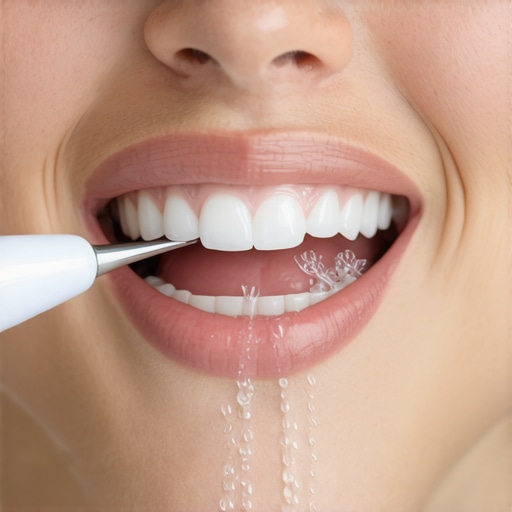
Have you ever finished flossing and noticed that pesky rainbow of blood tinged on your floss or water flosser tip? I sure have. It’s frustrating to think that after all the effort, I might be doing more harm than good. For years, I struggled with maintaining my dental crowns — often feeling unsure if I was cleaning them properly or inadvertently damaging them in the process. That lightbulb moment came when I realized I was skipping a crucial step that could make all the difference.
Why Proper Water Flosser Technique Is a Game-Changer for Crown Maintenance
Using a water flosser correctly isn’t just about blasting water between your teeth. It’s an art that can significantly extend the longevity of your crowns and keep your gums healthy. I learned the hard way that improper use can lead to gum irritation or even loosen the crown over time. The good news? Once I adopted a few simple techniques, I noticed a remarkable improvement in my oral health. Today, I’ll share proven tips to help you use your water flosser effectively and confidently, ensuring your crowns stay pristine and your gums stay healthy.
Is Water Flossing Really Worth the Effort?
When I first started, I was skeptical. Would this gadget really make a difference? Or was it just another dental fad? Early in my journey, I made the mistake of aiming the water stream directly at my crowns with too much pressure, which caused discomfort and didn’t clean effectively. Now I know that gentle, targeted cleaning can prevent damage and improve results. According to a study published in the Journal of Clinical Dentistry, water flossers are just as effective as traditional floss for reducing plaque and gingivitis—especially around crowns and bridges. That was my turning point: realizing that proper technique makes all the difference. Ready to dive into the details? Let’s explore how to optimize your water flosser routine for crown maintenance.
Position the Flosser Correctly for Targeted Cleaning
Start by holding your water flosser at a 90-degree angle to your gumline, aiming directly at the area around your crown. Imagine the water jet as a tiny pressure washer that needs precise aiming to clean effectively without causing harm. Once I adjusted my grip and angle during my routine, I noticed less water spillage and a more thorough clean. Place the tip into the sulcus — the small space between your gum and tooth — and gently glide along the gumline, focusing on the edges of your crown. This method ensures removal of debris without exerting excessive force that could loosen the crown or irritate your gums.
Adjust Water Pressure to Protect Sensitive Areas
One critical step I learned from experience was setting the water pressure to a gentle yet effective level. Think of it as watering delicate plants versus a sprinkler on full blast — too much pressure can damage tissues or dislodge a crown. Use the lowest setting initially; if that feels comfortable, gradually increase until you find the perfect balance for cleaning without discomfort. A common mistake is starting with high pressure, which results in bleeding and ineffective cleaning. After adjusting my pressure, I experienced less gum irritation and a more pleasant cleaning session.
Target Difficult Spots with Controlled Movements
Crowns often create hard-to-reach spots where plaque accumulates. For these areas, use the tip to gently pulse water into the crevices, similar to using a fine wire brush in tight spots. During my first attempt, I aimed the water stream directly at the crown surface with too much force, causing water to splash and discomfort. Then I switched to slow, controlled pulses, focusing on the gumline and the edge of the crown. This not only improved cleanliness but also protected the crown’s integrity. Regularly spend extra time on these spots, making sure you don’t rush through your routine, as consistency beats force in maintaining oral health.
Maintain Proper Distance for Optimal Results
Hold the tip about 1-2 centimeters away from your teeth and gums — think of it as painting with a fine brush, closer enough for precision but not so close that it causes splatter. During my early days, holding the tip too close caused water to splash on my face, and I wondered if I was doing it wrong. Moving the tip back slightly allowed a gentle, effective stream to clean around my crowns and gumline without mess or discomfort. This distance allows the water to flow in a controlled manner, flushing out plaque and debris effectively.
Follow a Consistent Routine for Longevity and Health
Use your water flosser consistently, at least once a day, especially around crowns and bridges. Think of it as watering plants: regular care prevents dryness, ensures nutrients reach roots, and keeps everything healthy. My routine change—making water flossing a nightly habit—led to noticeable improvement in gum health and crown stability. For personalized advice, consider scheduling a professional consultation through our contact page. Remember, combining proper technique with regular professional cleanings is the best way to ensure your crowns and natural teeth stay strong and beautiful. For more detailed tips, see this guide.
Handle Troublesome Spots with Focused Technique
If you notice plaque buildup or staining at the margins of your crown, concentrate your water stream there with short bursts, much like using a fine-tipped pen for detailed writing. During one cleaning, I paid special attention to the area where my crown met the gum, pulsing gently until I saw cleaner, healthier tissue. This approach prevents plaque accumulation that can compromise the crown’s seal or lead to gum recession over time.
Practice Safe and Effective Water Flossing
Always keep the tip moving, never stay fixed in one spot for too long, to avoid damaging the gum tissue. Think of it as a gentle massage rather than aggressive scrubbing. When I first started, I held the tip still, which caused minor gum irritation. Now I ensure a slow, sweeping motion, which feels soothing and promotes healing. Adopting a mindful technique ensures the longevity of crowns and overall oral health, especially when you’re managing sensitive or compromised tissues.
Adopting these precise, controlled steps transforms water flossing from an uncertain task into a confident routine. The key is patience and consistency—your crowns and gums will thank you for it. For a comprehensive approach, also consider this detailed article tailored for optimal crown care.
,Even seasoned dental professionals often see patients making subtle yet impactful mistakes when it comes to oral health, especially regarding crowns, teeth cleaning, and family dentistry routines. One widespread misconception is that brushing harder equates to cleaner teeth. In reality, aggressive brushing can erode enamel, damage gums, and even dislodge crowns. Proper technique—gentle yet thorough—is key to preserving your smile’s integrity. Moreover, many assume that regular flossing or water flosser use is all that’s needed; however, improper technique, such as directing water jet directly at crowns with excessive pressure, can cause gum irritation or loosen the crown prematurely. Mastering targeted, gentle application is crucial for longevity. An often-overlooked nuance is that saliva plays a vital role in neutralizing acids and remineralizing enamel. Failing to stay hydrated or neglecting dry mouth symptoms can accelerate decay, even with impeccable cleaning routines. For a comprehensive approach, explore this guide on strengthening your daily oral health habits. Advanced concerns include the myth that crowns last forever; in fact, they typically require replacement after 10-15 years due to material aging and microleakage. Recognizing early signs—like marginal discoloration or recurrent sensitivity—can prevent more extensive repairs. For deeper insights, see this article. Have you ever fallen into this trap? Let me know in the comments, and stay vigilant in your pursuit of a healthy, beautiful smile.
Keep It Working with the Right Tools
Maintaining your oral health over time isn’t just about daily habits; it also depends heavily on the tools you use. I’ve found that investing in high-quality, targeted equipment makes all the difference in ensuring long-term success. For instance, I swear by the Waterpik Ultra Water Flosser. Its adjustable pressure settings allow me to customize my routine around my crowns, reducing the risk of gum irritation while effectively removing debris.
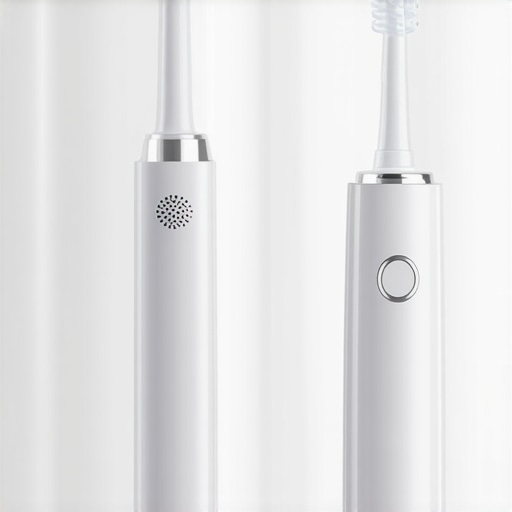
Another essential is a good electric toothbrush with a timer and pressure sensor, such as the Oral-B iO Series. It ensures thorough cleaning without the risk of overbrushing, which can wear down enamel or loosen crowns. Personally, I prefer models with oscillating-rotating technology because they provide superior plaque removal, especially around prosthetics and along the gumline.
Beyond tools, I rely on specialized dental app software like Dental Monitoring to track my cleaning routines and schedule appointments. It helps me stay consistent and identify potential issues before they escalate. Regular professional checkups—ideally every six months—are crucial. During these visits, my hygienist uses advanced techniques like ultrasonic scalers to deep-clean beneath the gums, which is invaluable for long-term crown and periodontal health.
Future Trends in Dental Maintenance
Looking ahead, I see an exciting trend toward smarter, connected dental devices. Companies are beginning to integrate AI-driven diagnostics with home-use tools, like smart toothbrushes that analyze brushing patterns and suggest improvements through app feedback. This will empower us to maintain optimal oral hygiene daily, especially for those with crowns, bridges, or other restorations.
If you haven’t already, I recommend upgrading your routine with a high-quality water flosser and an electric toothbrush. These tools not only boost cleaning efficiency but also help preserve your crowns and natural teeth longer. For personalized advice, consider booking a consultation through our contact page. A tailored approach ensures your long-term oral health stays on track.
How do I keep my tools effective over time?
It’s important to maintain your dental tools consistently. Rinse and dry your water flosser and toothbrush thoroughly after each use, replace brush heads every three months, and keep devices free from dust and mold. Regularly inspecting your equipment for wear and tear ensures they continue to function properly. Adopting these habits will maximize your investment in oral health technology, leading to better results and fewer dental issues down the line. Don’t forget to check your favorite device’s manufacturer guidelines or expert resources like the role of crowns in modern dentistry to align your cleaning habits with current best practices.
Try incorporating a smart ultrasonic irrigator into your routine and observe the difference it makes over time. Remember, the key is consistency and using the right tools tailored to your needs. Your future self will thank you for it, especially when you enjoy a confident, healthy smile for years to come.
Lessons That Took My Smile From Good to Great
- Never underestimate the power of gentle precision — rushing through water flossing can do more harm than good, especially around delicate crowns. This lightbulb moment changed how I approach my routine, resulting in healthier gums and more secure crowns.
- Consistency beats force every time — I realized that even the best technique loses its impact if not practiced daily. Making water flossing a nightly ritual transformed my oral health journey.
- Investing in quality tools makes all the difference — from adjustable water flossers to electric toothbrushes, choosing the right equipment has helped me prevent issues before they arise, saving time and discomfort down the line.
- Professional guidance is priceless — regular check-ins with my dentist and hygienist ensure my routine stays effective. Their insights helped me tailor my water flossing approach for maximum benefit around crowns.
- Understanding subtle cues can prevent big problems — spotting early signs of gum irritation or crown looseness has allowed me to address issues proactively, maintaining a confident smile.
Tools and Resources That Elevated My Dental Care Game
- Waterpik Ultra Water Flosser: The adjustable pressure settings let me customize my cleaning, reducing risk while ensuring thorough debris removal.
- Oral-B iO Series Electric Toothbrush: Its smart technology helps me avoid overbrushing and covers areas prone to plaque buildup, especially around crowns.
- Dental Monitoring App: Tracking my routines and appointments keeps me accountable and alert to early issues. Staying proactive is key to long-term crown health.
- Professional Consultations: Regular visits to my dentist and hygienist keep my routine sharp and allow me to learn new tips tailored to my needs, aligning with insights from this detailed guide.
Seize Your Smile: Take Action Today
Your journey to a healthier, more confident smile starts now. Mastering water flossing with the right technique can preserve your crowns and boost your overall oral wellness. Remember, it’s not just about cleaning — it’s about caring for your smile’s future. Don’t wait for issues to emerge; start implementing these insider tips today and watch your dental health flourish.
What’s the single change you plan to make in your oral hygiene routine to protect your crowns? Share below—I’d love to hear your plans and support your progress!
,