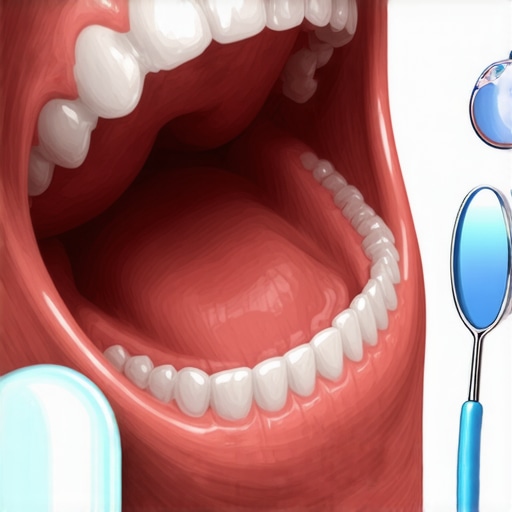
I remember the moment I first realized I might be ignoring subtle signs of gum trouble. It was after a routine brushing, and suddenly, my gums bled just a little when I flossed. At that time, I dismissed it as nothing serious—just a minor irritation. Little did I know, that tiny bleed was a red flag warning me about something more sinister lurking beneath the surface. It made me wonder—how many of us brush off early changes in our gums, assuming they’re benign, when in reality, they could be the first signs of gum disease?
Why Detecting Gum Disease Early Matters More Than You Think
Gum disease often sneaks up silently, showing few early symptoms that the average person can recognize at home. Left unchecked, it can lead to serious issues like tooth loss, bone damage, and even impact your overall health. Studies indicate that periodontal disease is linked to conditions such as heart disease and diabetes, highlighting its significance beyond oral health alone (source). That’s why being proactive in spotting the earliest signs is crucial. I used to think that only a dentist could detect trouble, but over time, I learned there are hints, subtle as they may be, that I can notice and monitor from home.
After making some expensive mistakes early on—like ignoring persistent bad breath or not noticing gum swelling—I realized that paying close attention to my gums could save me both discomfort and money. Recognizing these signs promptly allowed me to seek help early, often avoiding more invasive treatments. What about you? Have you ever been surprised by a small change in your mouth that turned out to be more serious than it looked?
Is Home Monitoring Really Effective for Detecting Gum Disease?
Many people doubt whether they can truly tell when their gums are in trouble, fearing they might miss critical signals. Honestly, I was skeptical too at first. My biggest mistake was trusting only a quick visual check during brushing—until I learned that some signs are more subtle, like gum recession or slight bleeding, which can be easily overlooked. Building good habits, like observing how your gums respond to everyday cleaning, can be powerful. It’s not about replacing dentist visits but empowering yourself to notice when something’s off. By doing so, you’re more likely to catch issues early and prevent them from escalating. For practical tips and effective routines, check out this guide.
Master Your Oral Hygiene Routine
Establishing a consistent yet effective daily cleaning ritual is vital. Start by using a soft-bristled electric toothbrush, which mimics a gentle massage on your gums. I once discovered this after an intense week of manual brushing left my gums irritated—switching to an electric brush reduced bleeding and improved my gum health within days. Make sure to replace your brush head every three months to maintain optimal cleaning power.
Perfect Your Brushing Technique
Angle your toothbrush at 45 degrees toward your gumline, and use gentle, circular motions. Avoid aggressive scrubbing, which can cause gum recession. When I caught myself pressing too hard during a morning rush, I consciously slowed down and focused on gentle strokes. This method removes plaque without damaging delicate tissues, reducing early signs of gum irritation.
Incorporate Advanced Cleaning Devices
Tools like water flossers can target areas traditional floss might miss, especially around crowns or braces. I added a water flosser into my routine after noticing stubborn plaque along my gumline, and it effectively cleaned those tricky spots. Using it daily can cut down on bleeding and inflammation, especially in hard-to-reach areas.
Use Floss Effectively
Slide a 18-inch floss thread between your teeth, wrapping it around each tooth in a C-shape and moving gently back and forth. Don’t snap or force the floss—this can injure gums. My experience with flossing improved significantly once I dedicated time to proper technique, which prevented bleeding and plaque buildup.
Monitor Your Gums for Changes
Pay close attention to sensations like swelling, redness, or bleeding during brushing and flossing. Keep a simple journal of these signs; over time, you’ll recognize patterns. I once ignored minor bleeding until I realized it was persistent, prompting me to visit my dentist sooner. Early detection allows for less invasive interventions.
Assess Recession and Bleeding
Regularly gently tug on your gums with clean fingers or a mirror—notice any recession or if gums appear shrunk away from teeth. Persistent bleeding, especially after routine cleaning, is a red flag. I learned to check for these signs weekly, catching early problems before they worsened.
Schedule Regular Dental Checkups
Professional cleanings and exams are crucial—they remove tartar and allow your dentist to spot early disease signs. I once skipped my bi-annual visits, and a small pocket of inflamed gum tissue developed unnoticed. Prompt treatment saved me from more aggressive procedures later. Aim for at least two checkups annually.
Discuss Your Concerns
Bring up any changes you’ve noticed—bleeding, sensitivity, or swelling. Your dentist can perform periodontal probing to measure gum pockets, assess attachment loss, and recommend targeted treatments. Combining professional care with at-home vigilance offers the best defense against gum disease.
Adopt Supportive Lifestyle Habits
Limit sugary foods and drink plenty of water to keep saliva flowing, which naturally cleanses your mouth. Smoking increases gum disease risk—quitting can dramatically improve your oral health. I cut back on cigarettes after noticing my gums didn’t heal as well as before. These habits reinforce your routine and bolster gum tissue resilience.
Maintain Balanced Nutrition
A diet rich in vitamins C and D strengthens your immune response and promotes tissue repair. Regularly consuming fruits, vegetables, and fortified products can be a game-changer. I started adding citrus and leafy greens, which made my gums feel healthier and less prone to bleeding.
Many people believe they understand the essentials of oral hygiene, but in reality, some widespread practices can inadvertently compromise your dental health. For example, the idea that brushing harder leads to cleaner teeth is a myth. In fact, aggressive brushing can wear down enamel and cause gum recession, leading to sensitivity and even exposing roots. This misconception often results from early advice that oversimplified oral cleaning techniques. Instead, gentle, thorough brushing with a soft-bristled brush is far more effective and safer, as emphasized by dental experts in their research (source).
Keeping Your Smile in Top Shape: Essential Tools for Long-Term Success
Achieving and maintaining excellent oral health isn’t just about regular brushing and visits to the dentist; it requires investing in quality tools that support your routine over years. Personally, I swear by the Soniclean Pro Electric Toothbrush. Its sonic technology provides high-frequency vibrations that effectively remove plaque without damaging gums. I switched after experiencing less gum irritation and longer-lasting results compared to manual brushes. For me, choosing an electric toothbrush with a timer and pressure sensor ensures I brush thoroughly and gently, preventing recession over time.
Another indispensable device I recommend is the Waterpik Aquarius Water Flosser. Traditional flossing can be tricky and sometimes ineffective if not done correctly. The water flosser’s pulsating jet cleans between teeth and around crowns more thoroughly, especially in hard-to-reach areas. Investing in one personalized my cleaning routine, reducing bleeding and inflammation noticeably—a common issue with stubborn plaque around crowns (see best practices for crowns).
How do I keep my maintenance routine sustainable?
Consistency is key. I set reminders on my phone to replace brush heads every three months and to descale my water flosser at least twice annually. Additionally, I use a specialized fluoride toothpaste formulated for sensitive gums, which strengthens enamel and supports gum tissue. Embracing these tools and habits ensures my oral health remains optimal long-term, saving me from costly repairs down the line.
Future of Dental Maintenance Tools
Looking ahead, digital integrations will become more prevalent—think apps that track your brushing habits, remind you to replace tools, and even provide feedback based on motion sensors. Advanced AI-powered devices might analyze your oral health in real-time, alerting you to early signs of issues before symptoms appear. Staying proactive with these innovations could revolutionize personal dental care, making professional-level monitoring accessible at home.
Make It Last: How do I maintain my dental tools over time?
Proper cleaning and regular replacement are essential. Rinsing your electric toothbrush head after each use, storing it upright and allowing it to air dry, prolongs its effectiveness and prevents bacterial buildup. When it comes to water flossers, descale the device according to manufacturer instructions—regular maintenance ensures consistent performance. Also, keep an eye on wear and tear; frayed wires or worn-out bristles compromise cleaning and may damage gums. Regularly inspecting your tools and replacing parts when needed is a simple yet vital step in preserving your investment.
Embracing the right tools and maintenance practices can significantly extend the lifespan of your dental investments. If you’re considering enhancing your routine, try a high-quality water flosser, like the recommended model, and experience the difference firsthand. Remember, sustainable oral health is a long-term commitment—invest wisely in your tools before problems escalate!
Lessons I Didn’t Expect About Daily Dental Care
One of the most eye-opening realizations I had was that consistent gentle brushing can outperform aggressive scrubbing, which can cause more harm than good. I once believed that the harder I brushed, the cleaner my teeth would be, but I learned that softness and technique matter more, especially around sensitive gums. Additionally, I discovered that flossing isn’t just about removing debris; it plays a crucial role in detecting early signs of gum health issues, really giving you a tiny but powerful window into your oral wellness. These personal epiphanies remind me that staying attentive to small changes can make a big difference in avoiding complex dental problems down the line.
Tools and Resources That Truly Made a Difference
My toolkit for maintaining healthy gums includes the Sonicare ExpertClean electric toothbrush, which provides a thorough clean without irritation. Complementing it is the Waterpik Aquarius water flosser, which reaches places traditional floss can’t, especially around crowns and bridges. I also rely on this daily routine guide for staying consistent and informed. For reading, I turn to expert insights on crowns and cleaning that explain how different dental tools work and their longevity. These resources have helped me stay motivated and proactive, avoiding surprises that could lead to costly treatments.
Believe in Your Power to Protect Your Smile
Taking charge of your oral health can be empowering and, frankly, life-changing. Remember, every small effort—like monitoring your gums for signs of bleeding or swelling—adds up over time. The future of dental health is moving toward smarter, personalized care, with innovative tools helping us detect issues earlier than ever before. I encourage you to embrace the habit of daily self-awareness and invest in trusted tools; your smile will thank you for years to come. So, why not start today? Your journey to a healthier, happier mouth begins with a single confident step.