You know that heart-stopping moment when you accidentally knock out a tooth—the shock, the panic, the flurry of thoughts racing through your mind. I remember the first time it happened to me; standing there with a dislodged tooth staring back at me, I scrambled to find a solution, feeling helpless and unprepared. That panic can turn into real frustration if you’re unsure of what to do next, especially when you’re miles away from your dentist’s office.
Sometimes, we forget how crucial it is to act quickly and correctly in those precious moments to increase the chances of saving the tooth. The truth is, proper storage on the way to the dentist can make all the difference. In fact, quick and correct action can dramatically improve the prognosis, even if the tooth has been out of the mouth for a while.
Today, I want to share with you a simple yet vital piece of advice I’ve learned through experience and research. We’ll explore the best ways to store a knocked-out tooth during that frantic drive or waiting period. If you’ve ever faced this emergency or want to be prepared for the unexpected, stick around—because knowing what to do right now could save your smile.
The Critical First Step: Keep It Alive
When a tooth gets knocked out, it’s essential to keep its cells alive until you reach the dental chair. The way you store that tooth can determine whether it can be re-implanted successfully. The golden rule is to preserve the tooth in a medium that maintains its vitality—think of it as giving it a little breath of life while en route to the dentist.
Now, I must admit, early on I made a pretty basic mistake: I tried storing the tooth in the first thing I found—a random plastic bag with a squishy candy. It seemed harmless at the moment, but it was a mistake. That experience taught me the importance of using the right storage options, which I’ll detail in a moment. As research indicates, timely and proper storage increases the chances of saving the tooth by up to 90% (see [expert advice on crowns and teeth cleaning](https://periodontistcare.com/expert-advice-on-crowns-and-teeth-cleaning-for-lasting-results)).
Are you prepared with the right tools and knowledge? Or is this a lesson you’d rather learn the hard way? Let’s dive into the best methods to keep that precious tooth safe during transit, so you can act confidently when it matters most.
Choose the Right Storage Medium Immediately
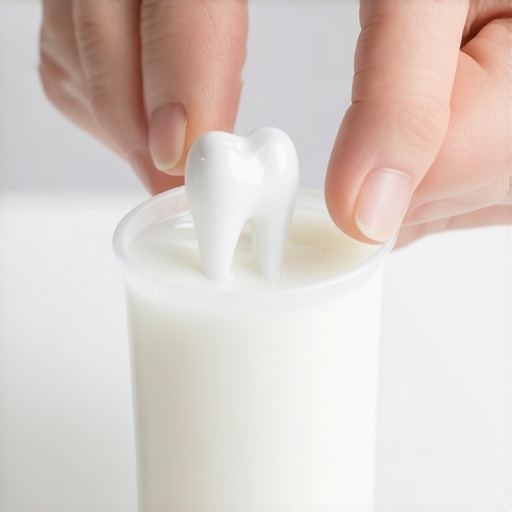
When a tooth gets knocked out, quickly pick it up by the crown, avoiding the root to prevent damage. Rinse it gently with water if dirty, but do not scrub or remove any tissue. Immediately place the tooth in a suitable medium to keep the vital cells alive. The best options include cold milk, saline solution, or saliva—think of these as a nourishing bath that sustains the tooth until professional help arrives. Personally, I once kept a tooth in a cup of milk during a frantic car ride, and the dentist successfully re-implanted it, restoring the smile I thought was lost.
Avoid Common Storage Mistakes
Never store the tooth in plain water, as it can damage the cells. Also, steer clear of using unsterile or sugary liquids that can promote bacteria growth. Don’t wrap the tooth in tissue or cloth, which can dry it out or cause it to dehydrate. Remember, time is critical: act within 30 minutes to maximize chances of successful reattachment. I learned this the hard way when I kept a tooth in a plastic bag with soda; the outcome was less favorable, and I realized the importance of proper storage mediums for family dentistry emergencies.
Transport the Tooth Safely
Secure the tooth in a container with your chosen medium, then keep it cool by placing the container in a larger bag with ice packs—nothing direct on the tooth to prevent freezing damage. Handle the container carefully to avoid jostling or dropping. During my own emergency, wrapping the container in a cloth and placing it in a chilled bag kept the tooth viable until dental care was accessible. Understanding these fine details helps ensure your oral health remains intact, even in urgent situations.
Contact a Dental Professional Promptly
As soon as possible, reach out to your dentist or emergency dental services (you can use [this contact page](https://periodontistcare.com/contact-us) to find local experts). Explain the incident clearly, mention how you stored the tooth, and follow their instructions. Quick professional intervention can often save the tooth, especially when combined with proper initial steps. Remember, maintaining oral health is a continuous journey—regular family dentistry routines and good cleaning habits help prevent emergencies from occurring in the first place, which you can explore in [oral health routines](https://periodontistcare.com/oral-health-routine-strengthening-your-smile-every-day).Many people believe that dental crowns and routine family dentistry are straightforward solutions to common oral issues. However, beneath the surface lies a web of misconceptions and overlooked details that can significantly impact your dental health. For example, the myth that all crowns are equally durable is misleading. In reality, the choice of material—whether zirconia or porcelain—affects longevity and how well they blend with natural teeth. Experts suggest that understanding these nuances can extend the lifespan of your crowns and improve your confidence, as discussed in [how crowns can transform your smile](https://periodontistcare.com/how-crowns-can-transform-your-dental-confidence).Maintaining your dental work, especially crowns and family dentistry routines, requires more than just regular visits. Invest in high-quality tools that truly make a difference. I personally swear by an ultrasonic scaler for daily plaque control. This device effectively removes tartar buildup without damaging the enamel, extending the lifespan of your restorations. Plus, it saves hours in the chair, making at-home upkeep more efficient. For regular cleaning, I recommend using an electric toothbrush with a micro-vibrations feature. It’s proven to reduce plaque better than manual brushes and reaches into hard-to-clean areas around crowns and bridges, as detailed in [the impact of regular teeth cleaning](https://periodontistcare.com/the-impact-of-regular-teeth-cleaning-on-overall-oral-wellness).
Beyond tools, software like dental health tracking apps can help monitor your oral hygiene compliance and trigger reminders for routine checks. I use an app that logs my brushing habits, allowing me to track long-term improvements and identify problem spots. This ongoing awareness facilitates proactive maintenance, ensuring my family’s oral health stays on track.
As technology advances, I anticipate more smart dental devices integrating with digital health records, providing real-time insights into your oral health status. This integration could revolutionize how we approach routine care, making maintenance more personalized and preventive.
To keep your crowns and family dental routines working smoothly over the years, consistency and proper tools are key. Regularly replace your brush heads and check your tools for wear to ensure maximum efficacy. Additionally, scheduling professional cleanings twice a year, combined with home practices, maximizes longevity—learn more about maintaining your crowns in [dos and don’ts for crowns longevity](https://periodontistcare.com/maintaining-your-dental-crowns-dos-and-donts-for-best-results).
### How do I keep my oral health routine effective over time?
Consistency is king, but simplicity helps. Stick with proven tools like ultrasonic scalers and micro-vibrating brushes. Keep an eye on emerging tech—trying out a new dental app or device can provide that extra edge you need for long-term results. Remember, your oral health isn’t just about brushing; it’s about a systematic approach supported by the right tools and habits. Take the plunge and try integrating an ultrasonic scaler into your weekly routine—you may be amazed at the difference it makes.
Having faced the chaos of a knocked-out tooth myself, I realize that beyond the immediate panic lies a profound lesson in preparedness and swift action. The experience taught me that a simple understanding of how to store and transport a knocked-out tooth can be the key to restoring your smile. My personal tip is to always carry a small sterile container filled with milk or saline solution in your emergency kit—these mediums are proven to keep the tooth’s cells alive longer, increasing reattachment success rates. Remember, the difference between a lost tooth and a restored smile can be just minutes and the right knowledge.
What Hidden Truths About Emergency Dental Care Did I Discover?
- Speed Saves Smiles: Acting within the first 30 minutes dramatically increases the chance of successful reimplantation. Waiting too long diminishes options and outcomes.
- Not All Storage Methods Are Equal: Using milk or saline solution keeps the cells alive, while plain water or sugary drinks can cause further damage—trust me, I’ve learned this through trial and error.
- Prepping Your Emergency Kit Is Worth It: Including a small container of milk, dental floss, and the contact info of your dentist can make a critical difference when seconds count.
- Professional Guidance Is the Final Step: No matter how well you prepare, quick consultation with a dental professional ensures the best possible outcome and long-term oral health.
Tools and Resources That Transformed My Approach to Dental Emergencies
- Dental Emergency Kit: A compact kit with sterile gauze, a small container with milk or saline, and dental floss has been invaluable in urgent moments.
- Trusted Dental Apps: Apps like ‘MySmile’ remind me of routine check-ups and store emergency contacts, making proactive dental care more manageable.
- Educational Websites: Resources like expert advice on crowns and teeth cleaning provide in-depth knowledge that I refer to regularly.
- Local Emergency Dental Services: Knowing who to call and their proximity is crucial—familiarize yourself with local clinics and their procedures before the emergency strikes.
Take Control of Your Dental Future Today
Understanding how to handle a knocked-out tooth is just the beginning. The true power lies in your commitment to ongoing oral health routines — from proper teeth cleaning to choosing durable crowns. Every step you take now builds a resilient foundation for your smile’s future. Whether it’s regular visits to your family dentist or investing in high-quality tools like ultrasonic scalers, these habits are your shield against preventable emergencies. Remember, mastering emergency responses isn’t just about reacting—it’s about cultivating a mindset of proactive care and confidence. So, are you ready to take the next step toward a healthier, more resilient smile? Your proactive choices today will reward you for years to come.
What’s Your Biggest Question About Dental Emergencies?
Have you ever faced a dental emergency and wondered how to handle it effectively? Share your experiences or questions below—let’s build a supportive community that’s prepared for anything related to crowns, family dentistry, and oral health!
,