
You know that moment when you’re brushing your teeth and suddenly realize your mouth feels drier than a desert? Or when you’re lying in bed, struggling to breathe through your nose, only to wake up with a mouth that feels like a sandpit? I’ve been there. That sinking feeling that maybe, just maybe, my breathing habits were quietly sabotaging my dental health. It hit me one night—could there be a connection between mouth breathing and those stubborn, recurring cavities? Turns out, there is, and understanding this link could be a game-changer for your oral health.
Why Mouth Breathing Might Be Sabotaging Your Smile
For years, I blamed poor flossing or sugary snacks for my cavities. But no matter how diligent I was with my brushing or how I cut back on sweets, some cavities just kept coming back. It wasn’t until I paid attention to how I breathe that I realized the culprit. Mouth breathing—something I’d dismissed as simply a habit—can drastically increase your risk of developing chronic cavities. When you breathe through your mouth, saliva production decreases. Saliva is naturally protective—helping to neutralize acids and wash away food particles. Without enough saliva, your teeth become more vulnerable to decay.
Furthermore, mouth breathing often leads to dry mouth, which creates an environment where bacteria thrive. Bacteria release acids that eat away at your tooth enamel, leading to cavities. It’s a silent process that many overlook, especially since mouth breathing is often dismissed as just a sign of a stuffy nose or fatigue. But as research shows, persistent mouth breathing can contribute to ongoing dental issues, including gum disease and, notably, a higher susceptibility to cavities.
If this sounds familiar, you’re not alone. Many of my patients sharing similar stories didn’t realize their breathing habits played such a significant role. Addressing this issue requires more than just brushing and flossing; it involves understanding and correcting the root cause. Interestingly, studies indicate that mouth breathing can be linked to sleep disorders like sleep apnea, which many overlook as just snoring. Recognizing this connection is crucial for long-term oral—and overall—health.
Now, I’ll guide you through how to identify if mouth breathing is affecting you and what practical steps you can take. Trust me, making small adjustments can dramatically reduce your cavity risk and improve your quality of life. Ready to breathe easy and smile brighter? Let’s dive deeper into the signs and solutions for mouth breathing—and why ignoring it might be a costly mistake.
Identify the Signs of Mouth Breathing
Start by observing your breathing habits, especially during sleep. Notice if your mouth is often open or if you wake up with a dry mouth. Keep a journal of these symptoms to discuss with your dentist or healthcare provider. Recognizing these signs early is crucial to address potential problems before they lead to cavities or gum issues.
Adjust Your Sleeping Position and Environment
Prevent mouth breathing by sleeping on your side or back, avoiding positions that encourage mouth opening. Use nasal strips or saline sprays to open nasal passages temporarily. Eliminating allergens and maintaining a clean sleeping environment can also reduce nasal congestion, making nasal breathing easier.
Improve Nasal Breathing with Breathing Exercises
Practice techniques like diaphragmatic breathing or the Buteyko method to strengthen nasal breathing muscles. Dedicate five minutes daily to these exercises. In my experience, incorporating daily breathing drills helped a patient who struggled with chronic dry mouth, leading to fewer cavities over months.
Consult a Specialist for Underlying Issues
If nasal congestion persists, see an ENT specialist to evaluate for obstructions or allergies. Addressing root causes like deviated septum or chronic sinusitis can significantly reduce mouth breathing. For example, a patient with a deviated septum opted for surgical correction, which improved precise nasal airflow and decreased mouth breathing during sleep.
Maintain Excellent Oral Hygiene Routine
Since mouth breathing reduces saliva, which naturally protects teeth, it’s vital to adjust your oral care. Brush at least twice daily with fluoride toothpaste, floss daily, and consider using a fluoride rinse. I advise using interdental brushes or water flossers to reach difficult areas caused by dry mouth, preventing plaque buildup and cavities. Regular professional cleanings are essential—more details at this link.
Stay Hydrated and Use Saliva Substitutes
Drink plenty of water throughout the day to keep your mouth moist. Chewing sugar-free gum stimulates saliva flow artificially, acting as a buffer against acid buildup. In some cases, your dentist might recommend saliva substitutes or balms to combat dry mouth, especially if other measures aren’t enough.
Revisit Your Dental Routine Regularly
Schedule check-ups every six months to monitor cavity development and gum health. During visits, ask your dentist about protective treatments like sealants or fluoride applications, which can further guard against decay in dry-mouth conditions. Also, review your crowns and other restorations to ensure they’re intact and functioning well—see this article for care tips.
Address Sleep Apnea and Related Disorders
If mouth breathing is linked to sleep disorders like sleep apnea, a custom mouthguard or CPAP therapy might be necessary. Consulting with a sleep specialist can provide tailored solutions, dramatically improving breathing and reducing oral health risks.
By actively implementing these steps, you take control of your breathing habits, reducing the risk of cavities and ensuring a healthier, brighter smile. Remember, small changes in daily routines and seeking professional support can have long-lasting benefits for your oral and overall wellness.
Even seasoned dental patients often believe that brushing more aggressively will improve oral health, but in reality, overbrushing can damage gums and enamel, leading to sensitivity and receding gums. Many overlook that proper technique and regular professional cleanings are key for long-term results, as highlighted in studies advocating for biannual dental visits to prevent plaque buildup and periodontal issues. A frequent misconception is that whitening toothpastes alone can dramatically whiten teeth; however, their abrasive nature can harm enamel over time. In my experience, combining professional whitening with post-treatment care yields better, safer outcomes. When it comes to crowns, some assume they are permanent fixtures—yet, without proper maintenance and regular checkups, crowns can chip, discolor, or become loose, affecting your smile’s integrity. As detailed in expert reviews, crowns should be evaluated periodically to ensure their longevity. Similarly, many believe family dentistry is only necessary when problems arise, but proactive checkups can uncover early signs of decay or gum disease, saving you discomfort and costs later.
What’s the risk of neglecting routine dental evaluations for crowns and family members?
Ignoring regular visits can lead to unnoticed issues like secondary decay under crowns or early gum deterioration in children, which might require more invasive treatments later. A common trap is underestimating the significance of personalized oral hygiene routines tailored to your unique needs, especially if you have restorations or specific health conditions. As clinical studies confirm, customized care plans significantly improve oral health outcomes. Remember, a thorough cleaning goes beyond superficial plaque removal—techniques like scaling and polishing, administered by skilled hygienists, eliminate hidden tartar and bacteria that cause disease. To ensure you’re on the right track, explore trusted resources about effective home practices and professional care. Have you ever fallen into this trap? Let me know in the comments, and stay vigilant against these common misconceptions that could cost you your smile.
Investing in Effective Tools for Preventive Care
Maintaining optimal oral health requires more than just brushing and flossing. I personally rely on a few specialized tools that have significantly improved my routine. For example, the Water Flosser has become an indispensable part of my daily regimen. Its pulsating streams effectively remove plaque and debris from hard-to-reach areas, especially around crowns and dental implants. Unlike traditional floss, the Water Flosser provides a gentle yet thorough clean, which helps prevent gum inflammation and decay.
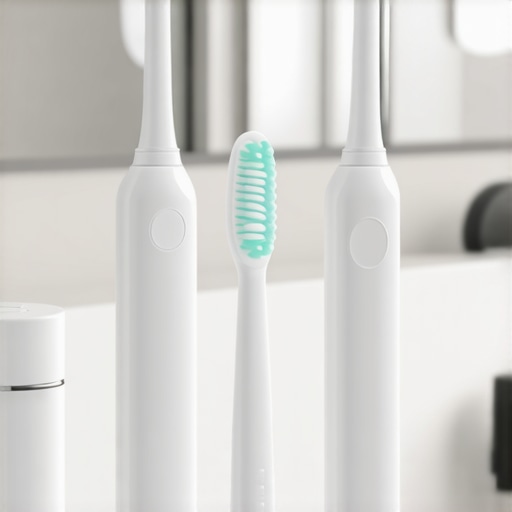
Additionally, I highly recommend using a Smart Electric Toothbrush equipped with pressure sensors. Models like the Sonicare DiamondClean prevent overbrushing, which can damage gums and enamel, and ensure consistent cleaning coverage. Their built-in timers encourage brushing for the ideal two minutes, aligning with professional recommendations. Over time, such devices help maintain the integrity of crowns and natural teeth alike.
Why Regular Software and App Tracking Matters
Beyond physical tools, I’ve integrated software solutions like smartphone apps that sync with my electric toothbrush. These apps track brushing habits, monitor coverage areas, and remind me of when to replace brush heads—critical factors for maintaining long-term oral health. Emerging technologies are evolving rapidly, with AI-driven tools assessing your brushing patterns and suggesting personalized improvements. As the trend moves forward, expect more intelligent, real-time feedback systems that help you optimize every aspect of your routine.
Future Trends: Personalized Oral Care at Home
Looking ahead, I predict a shift towards fully personalized dental kits, combining diagnostics with bespoke treatment plans. At-home 3D scanning devices could soon analyze your teeth and gums in detail, guiding you to targeted products and techniques. Moreover, advancements in biocompatible materials will offer longer-lasting dental restorations, reducing the need for frequent visits. Staying ahead requires embracing these innovations—consider experimenting with tools like those recommended by expert advice on crowns and cleaning.
How do I maintain my dental tools over time?
Proper maintenance of your dental tools ensures their longevity and effectiveness. Regularly clean your electric toothbrush and replace brush heads at intervals of three months or sooner if frayed. Use mild disinfectants to sterilize water flossers and store them in dry, ventilated places. Keeping these devices in excellent condition prevents bacterial buildup and ensures consistent performance, which directly translates into better long-term oral health. For additional guidance on maintaining crowns and dental restorations, see this resource.
If you’re serious about preserving your smile, I encourage you to invest in a high-quality Water Flosser and a smart electric toothbrush today. Implement routine checks and regular replacements to keep your tools functioning optimally. As technology advances, adopting these intelligent systems can significantly reduce the risk of cavities, gum disease, and crown failure, ultimately saving you time, money, and discomfort in the long run.
What I Wish I Knew When I Started Taking Care of My Smile
- Realizing that no amount of brushing can compensate for poor technique was a game-changer for me. Learning proper brushing and flossing techniques made my routine more effective and protected my crowns better.
- Understanding the importance of personalized dental tools, like using a Water Flosser and an electric toothbrush, significantly reduced plaque buildup and preserved my restorations longer.
- Recognizing early signs of dry mouth and mouth breathing helped me catch potential decay risks before they became serious, emphasizing the value of regular professional checkups.
- I discovered that addressing underlying issues like nasal obstructions or sleep apnea can dramatically improve oral health, proving that a holistic approach yields lasting results.
- Patience and consistency matter most. Small daily habits, combined with expert guidance, can transform your dental health over time, protecting both natural teeth and crowns.
Discover My Tried-and-True Resources for Dental Success
- Trusted Tools: My Water Flosser and smart electric toothbrush have revolutionized my oral hygiene routine, ensuring thorough cleaning around crowns and between teeth.
- Informative Reading: The article on oral health tips for families always keeps me updated on best practices tailored to diverse needs.
- Professional Support: Regular visits to my dentist, guided by resources like crown care tips, help me prevent issues before they escalate.
- Future Trends: I stay excited about advancements like at-home oral scanners, which promise even more personalized and proactive dental care in the near future.
Your Smiling Future Starts Today
Taking control of your teeth cleaning and overall oral health isn’t just about avoiding cavities—it’s about embracing a lifestyle that empowers your confidence and well-being. Every small step you take, like investing in high-quality tools and staying informed, brings you closer to a brighter, healthier smile. Remember, your oral health journey is uniquely yours, and with dedication, the results will speak for themselves. So, why wait? Start today, and watch your smile transform!
Have you ever struggled with maintaining your crown or managing your family’s dental routines? Share your experiences below—I’d love to hear your story!
,