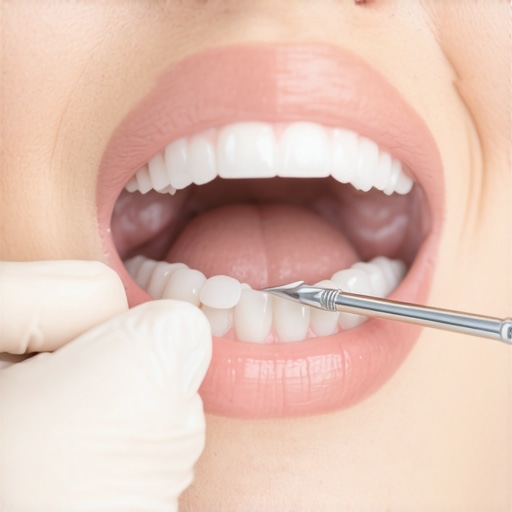
I remember the first time I noticed that my crown felt oddly tight in the morning, even though I was diligent with my flossing. It was a wake-up call. No matter how much I tried to keep up with daily brushing and flossing, there was still something missing. That lightbulb moment made me realize—professional cleanings are a crucial piece of the puzzle for maintaining a healthy smile. Today, I want to share why even the most meticulous flossers need regular dental visits and how they can make a real difference.
The Hidden Power of a Professional Cleaning
Many people think that good oral hygiene stops with brushing and flossing. While those habits are essential, they can’t eliminate all the hidden plaque and tartar that sneak into hard-to-reach spots. Over time, this buildup can lead to cavities, gum disease, and even damage to dental restorations like crowns or veneers. I used to believe that as long as I flossed daily, I was doing enough. But neglecting professional cleanings meant I was missing out on the deep clean that only a dental hygienist can provide. Research shows that professional teeth cleaning can significantly reduce the risk of periodontal disease and other oral health problems.
If you’re wondering whether your daily efforts are enough, you’re not alone. Many people face doubts about the necessity of routine cleanings despite their consistent home care. Trust me, I learned this lesson the hard way—early in my dental journey, I skipped regular check-ups thinking my home routine was sufficient. That mistake nearly cost me a crown and a lot of discomfort. Since then, I’ve committed to regular professional cleanings, and my oral health has improved dramatically.
Now, are you curious if your current habits are enough? Or do you suspect you’re overlooking something in your dental routine? Let’s explore the real reasons why professional cleanings are a vital part of maintaining your smile, no matter how committed you are to daily oral care. Ready to get into the details? We’ll also look at how to optimize your cleaning routine for lasting results. If you’re facing dental issues like persistent bad breath or unexpected sensitivity, it might be time to see what a professional cleaning can do for you.
Mastering Your Oral Care Routine
Begin with a thorough understanding of your dental crowns and how they integrate into your overall smile. Think of crowns as custom-fitted helmets for teeth: they shield and restore. To keep them in prime condition, develop a routine that combines proper brushing with targeted care for restorations. Use a soft-bristled toothbrush and fluoride toothpaste to gently clean around your crowns, mimicking a delicate polishing motion similar to buffing a gemstone. Avoid harsh scrubbing, which can damage the cement or the crown itself.
Focus on Precision Cleaning Techniques
Next, master the art of effective flossing, especially around crowns. Wrap the floss tightly around your fingers and gently slide it between teeth, hugging the side of the crown without applying excessive pressure. For tighter spaces, consider using a water flosser—this device is like a mini jet that flushes away plaque and debris without scraping the surface. During my last visit, I adopted this approach and noticed a significant reduction in gum inflammation, reinforcing the importance of precise cleaning here.
Incorporate Specialized Care for Crowns
Adding a step with a gentle mouthwash can help reach areas missed by brushing and flossing. Choose an antiseptic rinse to reduce bacteria, similar to how a disinfectant spray cleans hard-to-reach corners. Regular use maintains a healthy environment around your crowns and prevents buildup that can cause issues. Remember, not all mouthwashes are created equal—opt for formulas recommended by your dentist, especially if crowns or other restorations are involved. For advanced tips, check this guide.
Prioritize Professional Monitoring
While home care is vital, regular professional cleanings are the cornerstone of long-term success. Plan visits every six months where a dental hygienist can perform a deep clean, similar to how a mechanic thoroughly inspects a vehicle. During these sessions, the hygienist carefully removes tartar and plaque, especially around crowns, which even meticulous home care can miss. I once neglected this step, leading to dark lines forming at the gum line of my crown. After scheduling a professional cleaning, with a focus on crowns, I noticed a stark improvement in both appearance and comfort—demonstrating the necessity of routine check-ups here.
Stay Informed About Your Dental Materials
Understanding your crowns’ material—whether porcelain, zirconia, or metal—guides your cleaning strategy. For instance, zirconia crowns are highly durable but may require specific polishing techniques to prevent scratches. Knowledge about your restorations empowers you to avoid habits that might damage them, like using abrasive pastes or improper cleaning tools. Delve deeper into how crowns contribute to your smile makeover by exploring this resource.
Consistent Daily Habits Equal Longevity
Finally, foster a daily routine that reinforces your crown care. Incorporate brushing, flossing, and rinsing into your morning and evening rituals. Think of your mouth as a garden: consistent watering and weeding—through daily hygiene—prevent weeds (plaque and bacteria) from taking over. Keep hydrated to stimulate saliva, your natural defense against decay, and avoid sugary snacks that can accelerate plaque buildup. Staying vigilant ensures your crowns and teeth remain resilient, allowing your smile to shine confidently over the years, much like the long-lasting results highlighted here.Many believe that once a crown is placed, their dental journey is straightforward—just brush and floss as usual. However, this perception masks critical nuances that can dramatically impact your long-term results. Contrary to popular belief, not all dental crowns are created equal, nor do they require identical care. For example, porcelain and zirconia crowns, despite their durability, demand specific polishing techniques to prevent surface scratches, which can compromise their appearance and integrity if overlooked. Studies, such as those published in the Journal of Prosthetic Dentistry, highlight how improper cleaning can accelerate wear and discoloration over time.
An often-overlooked mistake involves ignoring the unique properties of your restoration material when choosing cleaning tools. Using abrasive pastes or harsh brushes can cause micro-scratches, undermining the crown’s surface and longevity. It’s essential to adapt your routine accordingly and consider expert advice—visit this guide to refine your methods.
Furthermore, many assume that professional cleanings are only necessary when experiencing discomfort or visible issues. In reality, regular visits every six months are critical, especially for crowns, as even meticulous home care may miss tartar buildup around delicate margins. Failing to monitor these areas can lead to gum recession or secondary decay, jeopardizing both the crown and underlying tooth. Remember, the expertise of a professional isn’t just about cleaning—it’s about early detection and prevention.
A common myth suggests that crowns are maintenance-free and last indefinitely. This couldn’t be further from the truth. All dental restorations have an expiration date influenced by material, wear, and oral habits. For porcelain or zirconia crowns, lifespan varies but typically ranges from 10 to 15 years. Check this resource for signs that your crown may need replacement.
The critical takeaway is understanding that crowns are more than simply cosmetic fixes—they’re integral to your bite and overall oral health. By recognizing their nuances and respecting their specific care needs, you can prevent costly repairs down the line. Whether it’s avoiding abrasive cleaning tools or scheduling regular professional evaluations, proactive attention ensures your smile remains both beautiful and durable. Let’s remember: small details make all the difference. Have you ever fallen into this trap? Let me know in the comments.Maintaining your dental crowns over time requires specialized tools and consistent routines that ensure their longevity and optimal function. Personally, I find that investing in high-quality equipment makes a tangible difference in my daily oral health routine. One essential tool I rely on is an **electric flosser**, specifically the Waterpik Ultra Water Flosser. Its pulsating streams effectively clean around crowns and bridges, reaching areas traditional floss might miss, while being gentle on restorations. I prefer models with adjustable pressure settings because they allow me to customize the cleaning experience, reducing gum sensitivity and maximizing plaque removal. Using such a device has helped me prevent buildup under and around crowns, supporting healthier gums and longer-lasting restorations.
How do I maintain crowns over time?
Regular brushing with a soft-bristled electric toothbrush is non-negotiable. I personally swear by the Sonicare ExpertClean 7500, which offers oscillating-rotating motion and multiple intensity settings. Its sonic technology creates a fluid plaque-removal action that keeps my crown margins pristine without causing damage. Pairing this with a fluoride toothpaste boosts mineralization and protects against decay at vulnerable junctions. Additionally, incorporating a high-quality antiseptic mouthwash, like Listerine Antiseptic, helps reduce bacteria near your crowns, preventing inflammation and secondary caries. Utilizing a good mouthwash ensures the environment stays hostile to plaque without abrasive effects.
For long-term results, scheduling professional check-ups every six months remains critical. During these visits, your dentist or hygienist can perform targeted cleanings around your crowns, removing tartar that home tools might overlook. I’ve learned from [expert advice](https://periodontistcare.com/maintaining-your-dental-crowns-dos-and-donts-for-best-results) that consistent maintenance now prevents costly repairs or replacements later. Additionally, being mindful of the material your crowns are made of influences cleaning choices. For example, zirconia crowns are durable but can scratch if cleaned with abrasive pastes; thus, I stick to non-abrasive polishing pastes recommended by my dentist.
Looking ahead, advancements like ultrasonic cleaning devices with gentle vibrations are gaining popularity for family dentistry practices. These innovations promise even more efficient, non-invasive maintenance, reducing chair time and enhancing patient comfort. I predict that in the near future, integrating smart ultrasonic tools with app-guided routines will empower patients to manage their daily crown care more effectively. I encourage you to try the advanced tip of incorporating an electric water flosser into your routine—it’s a game-changer for maintaining health around crowns and bridges. Visit [this resource](https://periodontistcare.com/expert-advice-on-crowns-and-teeth-cleaning-for-lasting-results) for more detailed guidance on preserving your dental restorations.
Secrets I Wish I Knew About Crowns and Maintenance
- I realized early on that trusting home care alone isn’t enough; professional cleanings are vital for catching issues before they become problems, especially around crowns where plaque can hide.
- Using abrasive pastes or harsh brushes can unintentionally damage delicate crown surfaces, leading me to appreciate the importance of gentle, material-specific cleaning methods.
- Scheduling regular check-ups isn’t just about clean teeth—it’s about preventing unseen damage that could compromise longstanding restorations and overall oral health.
- Investing in quality tools like electric water flossers has transformed my routine, making maintenance around crowns easier and more effective than ever.
- Understanding the materials of my crowns helped me fine-tune my cleaning routine, avoiding practices that could shorten their lifespan or diminish their appearance.
The Tools and Resources That Elevated My Smile Journey
- Waterpik Ultra Water Flosser: Proven to reach tricky areas around crowns with gentle pulsations—it’s become a staple in my daily routine and a trusted tool recommended by many dental professionals.
- Sonicare ExpertClean 7500: This electric toothbrush with advanced oscillating motion ensures thorough cleaning without risking damage to sensitive crown margins.
- Caring for Crowns: An insightful guide that helped me understand how to extend the life of my restorations through proper maintenance techniques.
- Understanding Crowns: Educating myself about different materials and their care needs has been transformative in preventing future issues.
Your Next Step Toward Dental Confidence Starts Now
Remember, the journey to lasting oral health and beautiful crowns isn’t just about routine—it’s about proactive care, continuous learning, and making smart choices each day. Incorporate trusted tools, stay informed, and keep up with regular professional visits. Your smile deserves that extra attention to shine its brightest for years to come. Are you ready to elevate your dental routine and enjoy the confidence that comes with a healthy, radiant smile? Share your experiences or questions below—I’d love to hear how you’re caring for your crowns today!