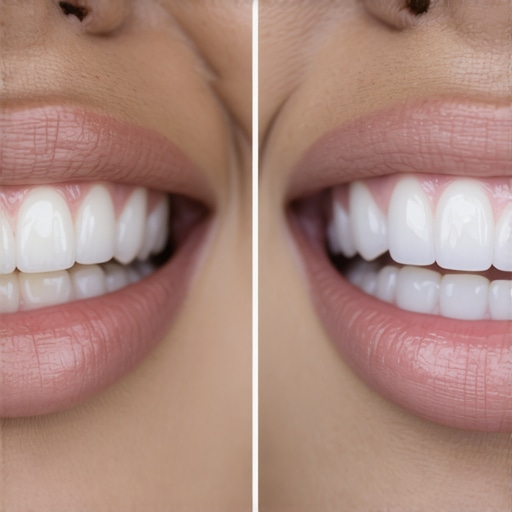
I still vividly remember the night I thrusted my tongue into my gums, feeling that odd, tender sensation that made my stomach drop. It was a realization—something was not quite right. Like many, I thought vaping was a harmless alternative, but that night, I saw its shadow cast directly on my smile. If you’ve ever experienced discomfort or noticed changes in your gum health, you know how unsettling it can be, especially when it creeps up slowly without warning.
The Hidden Toll of Vaping on Your Gums
Over the past few years, I’ve delved into the effects vaping has beyond just lungs and breath. Turns out, your gums might be silently paying the price. The chemicals in e-cigarettes can cause inflammation, reduce blood flow, and even make your gums more susceptible to disease. I was surprised to learn that some ingredients in vaping liquids can interfere with the natural healing processes of your oral tissues, making it harder to recover from infections or minor injuries. If you’re a regular vaper, it’s worth considering how your habits could be impacting more than just your lungs.
Many people tend to dismiss early gum issues—think a little bleeding or discomfort isn’t serious. But these are often the first signs of deeper problems. The good news? Recognizing the signs early and seeking proper care can make a significant difference. For a comprehensive understanding, I recommend reading about the impact of regular teeth cleaning on oral health, which highlights how proactive habits can prevent serious issues down the line.
Could You Be Overlooking Warning Signs?
Early on, I made the mistake of brushing off slight bleeding and minor soreness, thinking it was just from brushing too hard. Trust me, I learned the hard way that ignoring these signs can lead to more severe gum disease and even affect the stability of your teeth and crowns. The key is to be vigilant and proactive—your gums are telling you something. Have you noticed any subtle changes like bleeding, swelling, or tenderness after vaping or eating?
Understanding the relationship between vaping and gum health isn’t just about awareness—it’s about taking action. Regular check-ups and proper oral hygiene routines are vital. I also found that incorporating targeted tips like those shared in family-friendly oral health tips can offer practical steps to safeguard your smile.
So, if this resonates with you, keep reading. I’ll share practical strategies that helped me regain control over my oral health and how you can do the same, no matter your vaping habits. Because your smile deserves that tiny bit of extra attention—today and every day.
Start with Professional Cleanings
Schedule a deep cleaning with your dentist at least twice a year; think of these cleanings as tune-ups for your car—necessary to prevent bigger problems. I once booked mine after noticing persistent bleeding, and the hygienist used special tools to remove stubborn tartar, which routine brushing missed. This significantly reduced gum inflammation and set the stage for better home care. Regular professional cleanings help eliminate plaque buildup that you can’t reach at home, especially around crowns or braces, improving overall gum health.
Master Effective Oral Hygiene Techniques
Think of brushing and flossing as a daily maintenance routine—like oiling your bike chain—to keep everything running smoothly. Use an electric toothbrush with soft bristles, and spend at least two minutes—dividing your mouth into quadrants—to thoroughly clean each area. Floss daily, curving it around each tooth in a ‘C’ shape to remove plaque under the gumline. For example, I once struggled with gum bleeding until I started flossing properly; the key was gentle, consistent motion. Incorporate interdental brushes or water flossers if you have crowns or bridges to ensure no spots are missed.
Target Vaping-Related Inflammation with Tips
Switching to non-vaping habits temporarily can reduce oral inflammation. Think of your gums as a garden—they need nurturing, not harsh chemicals. I tried limiting vaping and focused on using mouthwash with anti-inflammatory properties, which helped soothe my gums. Also, rinse with warm saltwater after vaping sessions; it acts like a natural disinfectant, reducing bacterial load and calming inflamed tissues. Consistent oral hygiene minimizes the impact of chemicals in vaping liquids, helping your gums heal faster.
Incorporate Specialized Oral Care Products
Use toothpaste formulated for sensitive gums, which contain soothing agents like aloe vera or chamomile. I experimented with various brands, but those with added fluoride and anti-inflammatory ingredients made a noticeable difference. Consider using a night-time fluoride rinse to strengthen enamel and prevent decay around crowns. For additional protection, apply desensitizing gels prescribed by your dentist, particularly if you’ve developed gum recession or sensitivity, which can be exacerbated by vaping habits.
Enhance Your Routine with Targeted Practices
Integrate interdental brushes and tongue scrapers into your daily routine. For instance, I started scrapping my tongue to reduce bacterial buildup, which indirectly improved gum health. Make it a habit to gently massage your gums with your toothbrush or fingers—this stimulates blood flow and keeps tissues healthy, much like exercising muscles. Regularly inspecting your gums for signs of redness, swelling, or bleeding helps catch issues early, especially if you vape frequently.
Make Adjustments Based on Feedback from Dental Professionals
Visit your dentist promptly if you notice persistent symptoms like bleeding, bad taste, or swelling. They may recommend measurements of gum pocket depths or imaging to assess bone loss. I once ignored minor redness, which worsened into evident recession—learning that early intervention prevents costly procedures later. Follow your dentist’s advice meticulously; they can tailor your home care plan with specific techniques, tools, or medications to combat vaping-induced inflammation and maintain a healthy, resilient smile.
Many people assume that once you have a dental crown, your oral health is largely worry-free. However, this misconception can lead to costly mistakes. One widespread myth is that crowns are maintenance-free; in reality, they require diligent care similar to natural teeth to prevent decay and ensure longevity. Neglecting routine hygiene around crowns can accelerate issues like gum recession or secondary decay, which often go unnoticed until they cause significant damage. Additionally, some think that crowns can be permanently sealed without regular check-ups, but without professional assessments, minor problems may escalate, risking crown failure or tooth loss. An often-overlooked nuance is the importance of understanding how crowns interact with your overall oral health routine. For example, improper cleaning techniques can compromise the bond of the crown or lead to bacterial buildup underneath, leading to persistent bad breath or infection. Experts emphasize that targeted cleaning, including careful brushing and flossing around crowns, is vital; as highlighted in my recent exploration of [the impact of regular teeth cleaning](https://periodontistcare.com/the-impact-of-regular-teeth-cleaning-on-overall-oral-wellness), consistent maintenance is the key to preserving both your natural teeth and restorations. Moreover, many underestimate the role family dentistry plays in ongoing crown management; regular visits ensure early detection of issues before they require invasive procedures. Remember, your crowns are an investment, and caring for them involves more than just surface brushing. Instead, focus on comprehensive care that considers the health of surrounding gums and teeth. This holistic approach helps prevent complications that can undermine the aesthetic and functional benefits of your crowns. Be cautious of the ‘set it and forget it’ mentality—true dental health requires ongoing attention. Want to learn effective strategies to maintain your crowns and oral health at home? Check out [expert advice on crowns and teeth cleaning](https://periodontistcare.com/expert-advice-on-crowns-and-teeth-cleaning-for-lasting-results) to keep your smile brilliant and healthy for years to come. Have you ever fallen into this trap? Let me know in the comments.
Tools I Recommend for Sustainable Oral Care
When it comes to maintaining your dental health, especially after getting crowns or tackling issues from vaping-related inflammation, having the right tools makes all the difference. I personally swear by an electric toothbrush like the Oral-B iO Series, because its oscillating-rotating motion ensures thorough plaque removal around crowns and along the gumline. Its timers and pressure sensors prevent over-brushing—a crucial feature for sensitive or recession-prone gums. Pairing this with interdental brushes like the TePe soft variant allows for meticulous cleaning between teeth, particularly around crowns and braces where traditional floss may miss spots. I especially appreciate the slim design, which reaches tricky areas comfortably.
For flossing, I recommend WaterPik’s Water Flosser, as I found it especially effective in removing debris beneath crowns without risking damage from aggressive flossing. Regular use of a water flosser reduces bacterial buildup and promotes healthier gums, extending the life of restorations. Additionally, incorporating a tongue scraper such as the Orabrush helps reduce bacterial load in the mouth, which can mitigate inflammation and bad breath—common issues for vapers.
How do I maintain my crowns and oral health over time?
Consistent professional cleanings are paramount. Scheduling semi-annual visits ensures your dental team can detect early signs of gum recession or decay under crowns, preventing costly repairs. Using the same tools and techniques consistently helps establish a routine that becomes second nature, making home maintenance more effective. Remember, the proper use of these tools, combined with targeted products like fluoride rinses or desensitizing gels, can help you preserve your smile for decades. It’s worth noting that technological advancements, such as laser periodontal therapy, are now making maintenance even less invasive and more efficient, setting a promising trend for the future of oral health care.
Keep practicing your daily routine, stay vigilant for early warning signs, and don’t hesitate to consult your dentist about innovative tools or methods tailored to your unique needs. For example, I’ve recently started using the Philips Sonicare ProtectiveClean, which gently cleans deep between my crowns and natural teeth, thanks to sonic vibrations. If you’re eager to elevate your routine, try incorporating this advanced tool, and you’ll notice improvements in your oral health in just a few weeks. For comprehensive strategies, consider reading about effective home practices for family dental health. Remember, consistent effort today contributes to a healthier smile tomorrow.
” alt=”Close-up of an electric toothbrush reaching around a dental crown” title=”Electric toothbrush clean around dental crown” />
Three Surprising Lessons That Changed How I See My Smile
First, I realized that crowns are more than just aesthetic upgrades—they’re a commitment to ongoing care. neglecting routine cleanings can lead to hidden decay beneath those shiny surfaces. Second, consistent home hygiene isn’t enough; regular professional visits catch early issues before they become costly repairs. Lastly, I learned that every patient’s mouth is unique, and personalized advice from your dentist can make all the difference—don’t settle for one-size-fits-all solutions.
Tools and Resources That Elevated My Dental Routine
My favorite tools include the Philips Sonicare ProtectiveClean—its gentle yet thorough cleaning suits crowns and sensitive gums perfectly. I also trust WaterPik’s Water Flosser for deep cleaning around restorations, and a good tongue scraper to keep bacteria at bay. For expert guidance, I often reference this comprehensive advice on crown maintenance, which has helped me optimize my routine.
Choosing to Prioritize Your Smile Can Transform More Than Just Your Looks
If you’ve been neglecting your oral health or unsure about how to maintain crowns and prevent gum issues, remember—small consistent efforts can lead to lifelong benefits. Your smile is more than an aesthetic element; it’s a reflection of your overall wellness. Take charge today, schedule that check-up, and give your mouth the attention it deserves. And tell me—what’s one change you’re excited to try in your oral care routine?