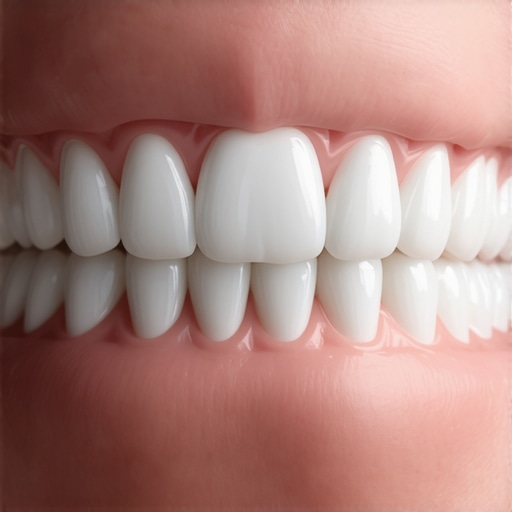
I remember the moment I cracked a tooth while biting into an apple, and the shock that followed. It was a sharp jolt of pain that made me pause and wonder, “Could my old silver fillings be the silent saboteurs of my dental health?” That lightbulb moment prompted me to dig deep and understand the real impact of those aged amalgam fillings. Many don’t realize that these seemingly harmless silver spots might be causing more trouble than we think, especially with the rise in tooth cracks and sensitivity.
Why Your Old Silver Fillings Might Be Creating Hidden Damage
What I discovered changed my perspective entirely. Silver amalgam fillings, used for decades, are known for their durability but also for their tendency to expand and contract with temperature changes. Over time, this movement can exert stress on the surrounding tooth structure, leading to tiny cracks. As these cracks deepen, they compromise the integrity of your tooth, making it more susceptible to further damage or even breakage.
According to a study published in the Journal of the American Dental Association, older amalgam fillings can contribute to tooth fractures if not properly monitored or replaced (source: JADA – Silver Fillings and Tooth Fractures). This realization made me question: am I unknowingly risking my teeth every time I ignore that old filling?
If you’ve experienced similar worries—be it sudden sensitivity, visible cracks, or concern over your amalgam fillings—you’re not alone. Many patients come to me feeling frustrated and overwhelmed because they never really understood the potential dangers lurking beneath that metallic surface.
The good news? There’s a straightforward path to healthier teeth and peace of mind. Let’s explore what you can do to protect your smile from the hidden threats of aging silver fillings. But before diving into solutions, ask yourself—have you noticed any new cracks or increased sensitivity around your old fillings? If yes, you’re already taking the first step toward safeguarding your dental health.
Schedule a Professional Dental Evaluation
Start by booking an appointment with a qualified dentist to assess the condition of your existing amalgam fillings. During the visit, the dentist will examine for cracks, wear, or signs of decay around the fillings. Remember, a thorough examination is the foundation for any subsequent action, so don’t skip this vital step. To find experienced family dentists in your area, visit Family Dentistry Experts. I once ignored minor cracks in my old filling, but after an examination, my dentist identified early signs of expansion that could have led to a larger fracture if left untreated.
Many assume that a routine teeth cleaning is a simple, straightforward task, but the truth is far more complex and nuanced. A common misconception is that any cleaning beyond daily brushing isn’t necessary or that professional cleanings are merely optional. However, studies show that professional cleanings significantly reduce plaque buildup and prevent gum disease, which is linked to systemic health issues like heart disease and diabetes. Yet, some underestimate the importance of tailored cleaning methods; for example, patients with sensitive gums might benefit more from certain instruments or techniques, such as ultrasonic scalers, which can be gentler and more effective when used correctly.
Why do some dental cleanings fail to prevent future issues?
Overlooking the specific needs of individual patients can lead to subpar results. For instance, failing to address underlying issues like tartar beneath the gumline or misaligned teeth can make regular cleanings less effective over time. Many are unaware that advanced tools and personalized care plans—like incorporating interdental brushes or customizing fluoride treatments—can make a substantial difference. In my experience, patients often believe that a quick polish suffices, but in reality, a comprehensive approach targeting individual risk factors yields better long-term results. To learn more about effective cleaning strategies tailored for your needs, visit these expert tips on teeth cleaning.
Additionally, there’s a prevalent myth that more frequent cleanings are always better. While biannual visits are standard, some patients with high risk factors—such as a history of periodontal disease or smoking—may benefit from more frequent visits. Ignoring this nuance can cause plaque accumulation to accelerate, leading to gum recession or even tooth loss. Recognizing your unique oral health profile is essential; a skilled family dentist can assess your individual needs and recommend an optimal schedule. To find experienced professionals who understand these subtleties, explore family dentistry options in your area.
Another overlooked detail is the role of oral health routines outside the dental office. Many people believe that regular brushing and flossing are enough, but neglecting tools like tongue scrapers or mouthwashes with therapeutic benefits can undermine your efforts. For example, using a tongue scraper daily can dramatically reduce bacterial load, which in turn minimizes plaque formation. Maintaining such comprehensive routines helps sustain the benefits of professional cleanings longer. Learn more about strengthening your routine at this guide on daily oral health habits.
In summary, dentistry is not just about removing visible plaque; it involves understanding individual risk factors, employing advanced techniques, and extending care beyond the chair. Do you still think a quick cleaning solves your oral health problems? Think again. Implementing nuanced, personalized strategies makes all the difference. Have you ever fallen into this trap? Let me know in the comments.Maintaining your oral health over time requires more than routine brushing and flossing; it involves investing in the right tools and adopting consistent, effective practices. One of the most critical investments I make personally is in an ultrasonic scaler. Unlike traditional manual scalers, ultrasonic devices use high-frequency vibrations to remove plaque and tartar efficiently, especially in hard-to-reach areas. I prefer models like the Piezo Ultrasonic Scaler because they can be adjusted for sensitivity, making them gentle enough for sensitive gums while still effective at cleaning deep below the gumline. Incorporating this into your routine helps prevent periodontal issues and extends the longevity of your restorations like crowns or fillings, reducing the frequency of professional interventions. Moreover, using a water flosser, such as the Waterpik Sonic-Fusion, has revolutionized my approach to interdental cleaning. Its pulsating water jets effectively dislodge debris and plaque where floss might miss, significantly improving gum health over time. Regularly integrating these tools complements professional cleanings, which should be scheduled at least semiannually—considering your unique risk factors, some patients benefit from more frequent visits, as detailed in the article on the impact of regular cleaning. To manage crowns and restorations long-term, I recommend routine checks with your dentist, focusing on the integrity of your restorations and any signs of wear or failure. Using advanced digital imaging, like intraoral cameras, during these evaluations allows for pinpoint accuracy without discomfort. Looking ahead, the trend points toward smart toothbrushes integrated with mobile apps, offering real-time feedback and personalized care routines. But until then, pairing high-quality manual and electronic tools with professional guidance remains essential.
How do I maintain my oral health tools over time?
Proper maintenance of your dental devices ensures their effectiveness and longevity. Regularly disinfect your ultrasonic scaler according to the manufacturer’s instructions, typically with alcohol-based solutions, and replace water flosser tips every three to six months to prevent bacterial buildup. Checking batteries and mechanical parts keeps your devices functioning optimally. Make this a habit, and you’ll sustain excellent oral health results for years. Feel like upgrading your routine? Consider trying an ultrasonic scaler to see the difference it can make in your plaque control. For a tailored approach, consult with your family dentist—making it easy to stay on top of your dental care game. Schedule your next checkup today, or explore more on how to maintain your dental health tools.
Reflecting on my journey into dental health has revealed some unexpected lessons. One of the most profound was realizing that seemingly harmless silver amalgam fillings can silently contribute to ongoing tooth damage. This insight transformed my approach to dental care, emphasizing the importance of proactive vigilance rather than reactive fixes.
Lessons I Wish I Knew About Silver Fillings and Dental Health
- Not all fillings are created equal. I used to think that replacing old fillings was purely cosmetic, but I now understand that their material can influence the structural integrity of my teeth over time.
- Listening to subtle symptoms saves teeth. Small cracks or sensitivity might seem minor but can indicate deeper issues caused by expansion stresses from aging amalgam fillings.
- The value of regular check-ups. Routine examinations can catch early cracks or wear before they escalate, saving time and avoiding more invasive procedures later.
Tools and Resources That Accelerated My Transformation
- Ultrasonic scalers. These high-frequency devices have become a staple in effectively managing plaque and tartar, especially around vulnerable areas like old fillings.
- Intraoral cameras. Seeing tiny cracks or decay in real-time boosts my confidence in my dental care decisions and helps guide timely interventions.
- Trusted dental literature. Exploring studies from reputable sources like the Journal of the American Dental Association deepened my understanding of amalgam-related risks.
- Educational platforms on holistic dental health. Resources like Periodontist Care offer insights into personalized strategies that prioritize long-term oral wellness beyond routine cleanings.
Embracing a Future of Confident Smiles and Informed Choices
Empowered with knowledge and the right tools, I’ve learned that caring for your teeth is an ongoing journey of awareness and action. Don’t wait for discomfort or visible damage to prompt intervention. Instead, foster a relationship with your dental team who can guide you through personalized strategies for maintenance and repair. Your smile is a reflection of your overall well-being, so treat it with the attention it deserves.
Knowing the hidden impact of silver fillings will inspire you to stay vigilant and proactive. After all, prevention is the best investment in your lifelong oral health.