
Have you ever bitten into an apple or a crunchy snack and felt a strange, almost *alien* sensation in your mouth? That weird, dull ache or the sudden awareness that your tooth isn’t quite right anymore? I had that lightbulb moment myself a few years ago—brushings and check-ups had become routine, yet I started noticing my crown felt different. At first, I shrugged it off, dismissing it as nothing serious. But soon, I realized that my dental crown, which was only a decade old, might be giving me signs that it was reaching the end of its lifespan.
Why does a crown need replacement after about ten years?
This question might seem straightforward, but the reality is more nuanced. Over time, even the best crowns undergo wear and tear—chips, cracks, or loosening. Factors like biting force, diet, and oral hygiene routines all influence how long a crown lasts. According to the American Academy of Implant Dentistry, most crowns are designed to last between 5 and 15 years, with proper care. Beyond the technical lifespan, subtle changes in your bite or the integrity of the crown can lead to bigger dental issues if overlooked.
Is replacing your crown really worth the effort? Does it really make a difference?
Early in my own journey, I made the mistake of ignoring minor discomforts, thinking they’d resolve on their own. That was a costly oversight. Neglecting a compromised crown can lead to decay, gum disease, or even the need for more invasive procedures like root canals or extractions. So, today, I promise to guide you through recognizing the signs that your crown might need replacing and how to do it before a small problem becomes a dental emergency.
If you’ve noticed your crown feels different or suspect it’s past its prime, keep reading. We’ll explore the telltale signs and share tips on maintaining your crown’s health, including when to seek professional advice from trusted experts. Just like your family doctor, your dentist or periodontist can help you preserve your smile for decades to come. For comprehensive tips on caring for crowns, check out this guide on crown care.
The next step? Understanding what exactly indicates that a crown may need changing—and what you can do to protect your smile today.
Prepare for Your Dental Appointment
Start by scheduling a consultation with your dentist to assess if your crown needs replacement. Before the appointment, avoid sticky or hard foods that might have caused damage. Brush and floss thoroughly to remove plaque, making it easier for your dentist to evaluate your oral health.
Gather Your Medical and Dental Records
Bring any previous dental records or images of your existing crown. This information helps your dentist understand its condition and plan the best course of action. If you’ve experienced discomfort or noticeable changes, note these to discuss during your visit.
Inspect and Recognize Signs of Crown Failure
Look out for issues like sensitivity, pain, visible cracks, or the crown feeling loose or high when you bite. These are clear indicators that your crown may need replacing. Remember, early detection can prevent more extensive damage to your natural tooth.
Professional Evaluation and Planning
Your dentist will examine your crown and take X-rays if necessary to check the underlying tooth’s health. They might suggest options like re-cementing, repairing, or replacing the crown entirely. This professional assessment ensures a durable and natural-looking result.
Removal of the Old Crown
In many cases, removing an old or damaged crown involves gently breaking the cement holding it. Think of it like carefully unwrapping a fragile gift—precision is key to avoid damaging your tooth. Your dentist uses specialized tools to do this efficiently.
Handling a Loose or Broken Crown at Home
If your crown feels loose or has fallen out temporarily, avoid DIY fixes. Instead, store the crown in a safe container and contact your dentist immediately. Do not attempt to reattach it yourself, as improper handling can lead to complications. For emergency tips, visit this guide.
Preparing Your Tooth for the New Crown
Your dentist will clean and shape the tooth to ensure a proper fit. Think of this process as customizing a key so it fits perfectly into a lock. They may also take impressions or digital scans to craft a crown that aligns with your bite and smile aesthetics.
Temporary Crown Placement
While waiting for your permanent crown, a temporary overlay protects the prepared tooth. Treat it gently—avoid sticky foods and withhold from chewing on that side to prolong its lifespan. This temporary shield maintains aesthetics and prevents sensitivity.
Placing the New Crown
Once your custom crown is ready, your dentist will cement it in place. They’ll check for proper fit and bite alignment, making adjustments as needed. Think of this step as fitting a puzzle piece precisely where it belongs, restoring your smile’s function and appearance.
Final Adjustments and Instructions
Your dentist may polish the crown and provide care instructions. Proper maintenance is vital—brush twice daily, floss around the crown, and avoid overly abrasive toothpaste. Regular check-ups ensure your crown remains in top condition.
Consistent oral hygiene, including regular professional cleanings like teeth cleanings, prolongs your crown’s life. Remember, a new crown isn’t just an aesthetic upgrade—it’s an investment in your overall oral health and confidence.
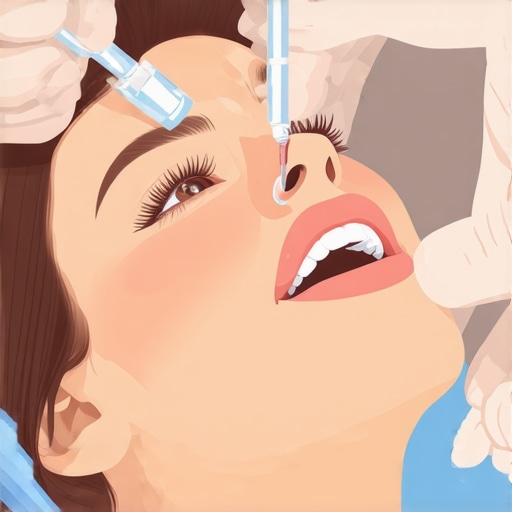 Many people approach family dentistry with assumptions that can hinder their oral health progress. A prevalent myth is that regular brushing alone is sufficient, but experts emphasize the importance of comprehensive routines, including flossing and professional cleanings, for optimal health. Surprisingly, some believe that teeth whitening procedures damage enamel long-term; however, when done correctly under professional supervision, modern treatments are safe and effective, as highlighted in recent studies. Another misconception is that dental crowns are only temporary fixes, but advancements in materials like zirconia ensure their longevity when properly maintained. Advanced care involves nuanced understanding—such as recognizing subtle signs of crown failure, like micro-cracks or high spots, which only experienced clinicians can detect and address before larger issues develop.”,Maintaining optimal oral health, especially when it involves family dentistry and dental restorations like crowns, requires the right tools and habits. Over the years, I’ve refined my arsenal to include equipment and methods that ensure longevity and quality of care. One essential device is the electric toothbrush, specifically models with oscillating-rotating technology like the Oral-B Genius series. I personally choose these because they effectively remove plaque even in hard-to-reach areas, which is vital for protecting crowns and natural teeth alike. Complementing this, a good interdental cleaner, such as the Water Flossing System from Waterpik, has become indispensable for me. Its pulsating action penetrates tight spaces between teeth and around crowns, reducing gum inflammation and preventing decay. Regular use of a water flosser has shown improvements in my oral hygiene routine, making professional cleanings less intensive and more effective. I also utilize a high-quality fluoride rinse before bed, which helps strengthen enamel and reduce cavity risk. From a software perspective, I rely on dental health apps like Dental Monitoring, which allows me to track my brushing and flossing habits via my smartphone. This instant feedback motivates me to maintain consistency, especially on busy days when routines can slip. As technology advances, I believe AI-powered toothbrushes equipped with real-time feedback and AI diagnostics might become standard, further personalizing and improving home dental care. For example, the DentalAI system developed by researchers at Harvard is exploring personalized brushing feedback based on individual plaque patterns, according to their latest technical report. To maximize the impact of your tools, apply the technique of scanning your mouth with a mirror after brushing and flossing, then use your water flosser to target missed spots. This small step can significantly enhance your cleaning efficiency. Don’t hesitate to invest in these proven devices—they can transform your oral health, especially when caring for crowns, which require gentle but thorough maintenance. For comprehensive guidance, check out this resource on best practices for crown longevity. Ready to upgrade your dental routine? Try integrating a water flosser into your nightly routine today, and observe how much cleaner and healthier your mouth feels. Remember, consistent use of quality tools isn’t just about appearance—it’s about safeguarding your smile for years to come.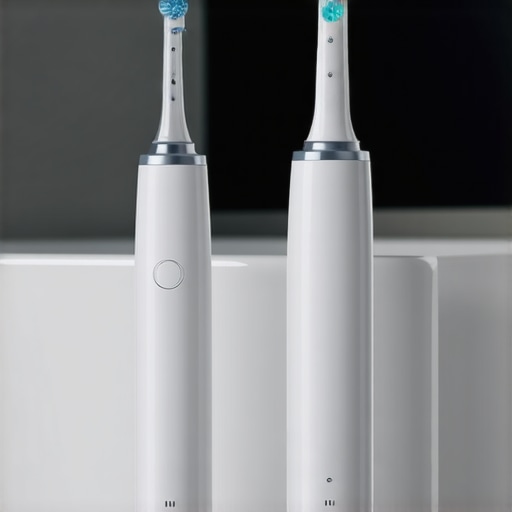

Unspoken Truths That Changed How I Approach Family Dentistry
- One profound realization was how micro-movements, like slight bite changes, signal impending crown issues—something I overlooked early on. Paying attention to these subtle signs can save a lot of discomfort later.
- They say experience is the best teacher, but I found that listening to your body’s whispers about sensitivity or discomfort offers invaluable insights that no routine check-up can fully capture.
- Embracing a proactive mindset—regular check-ins and mindful hygiene—transformed my dental health journey from reactive to preventive, demonstrating that maintenance truly beats repair.
Tools That Became My Dental Allies
My trusted arsenal includes an electric toothbrush with oscillating-rotating action, which ensures thorough cleaning around crowns, and a water flosser that gently yet effectively reaches tight spots. These tools, complemented by a quality fluoride rinse, help me maintain my crowns and natural teeth. For deeper insights into crown care, I recommend this comprehensive guide.
Your Next Chapter in Smile Confidence Starts Now
Caring for your dental crowns isn’t just about aesthetics—it’s about embracing a lifestyle that values your health and confidence. Small daily habits and regular professional check-ups can ensure your smile remains radiant and functional for decades. Remember, your journey to optimal oral health is uniquely yours—so take that first step today.
Have you ever noticed subtle changes in your crown or been unsure about when to consult your dentist? Let me know below—your experience might guide someone else toward a healthier smile.