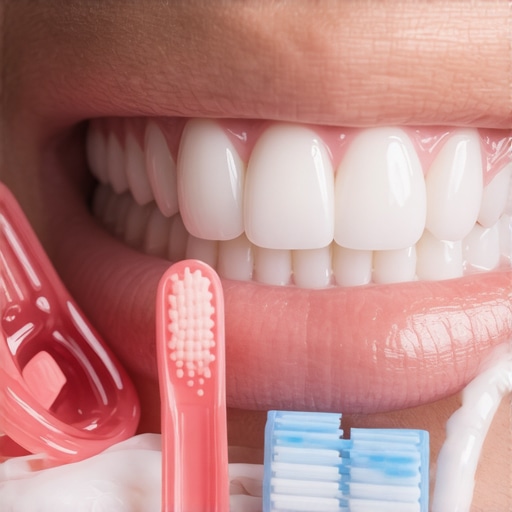
I vividly remember the moment I looked in the mirror and noticed a tiny chip on one of my front teeth. It hadn’t happened overnight, but the realization hit me like a punch in the gut. I had been using what I thought was an effective toothpaste, brushing diligently every morning, never suspecting that my daily routine might be silently harming me. That lightbulb moment sparked a deep dive into what’s actually in those tubes—because not all toothpastes are created equal. Some contain abrasives and chemicals that could be damaging your precious enamel over time.
The Hidden Dangers Lurking in Your Bathroom Cupboard
Today, I want to share what I’ve learned about the gritty truth behind certain toothpastes and how they might be doing more harm than good. If you’ve ever wondered why your teeth look dull or why your dentist keeps mentioning enamel erosion, you’re not alone. The good news is, with a few simple adjustments and a better understanding, you can protect your enamel and keep that confident smile shining for years to come.
Concerned That Your Toothpaste Is Sabotaging Your Smile? Think Again
Early in my dental journey, I made the mistake of dismissing the importance of choosing the right toothpaste. I thought all toothpastes were the same—just a matter of flavor or freshness. It wasn’t until I experienced sensitivity and noticed increased wear that I realized my mistake. Regularly, people overlook the fact that some popular brands contain abrasive ingredients that can wear down tooth enamel—a thin, protective surface that’s vital for maintaining strength and avoiding decay. According to the American Dental Association, excessively abrasive toothpastes can accelerate enamel loss, especially if you have already sensitive or compromised teeth.
This revelation changed my approach drastically. I started reading labels carefully and opting for products formulated with gentler agents, focusing on protecting my enamel. If this sounds familiar, and you’re worried about whether your toothpaste is contributing to enamel erosion, I promise: you’re not alone—and there’s a lot you can do to safeguard your smile.
Navigating Your Options for Safer, Enamel-Friendly Toothpaste
In the next sections, I’ll guide you through how to identify the right toothpaste for your needs, what ingredients to look for (and avoid), and easy habits that can prevent further enamel damage. Remember, maintaining your oral health isn’t just about fresh breath; it’s about preserving your teeth’s longevity. For instance, learning how to keep your crowns in top shape (especially if you’ve invested in a smile makeover) can be crucial, as shown in my post on how crowns can transform your confidence.
So, have you recently taken a closer look at your toothpaste ingredients? If not, now is the perfect time. Trust me, protecting your enamel starts with knowing what’s inside your daily routine. Let’s dig deeper into what makes some toothpastes harmful—and how to choose ones that truly serve your smile’s best interests.
Choose Gentle Toothpaste for Daily Care
Switching to a toothpaste with low abrasiveness is essential. I recall the mess when I first tested a new, enamel-friendly brand—my brush was coated in foam, and I worried I’d missed spots. After two weeks of consistent use, I noticed my sensitivity decreased, and my teeth looked brighter. Look for products with a Relative Dentin Abrasivity (RDA) score below 70—these are gentler on enamel. Avoid harsh whitening variants with high abrasive particles that can wear down your enamel over time.
Master Proper Brushing Technique
Effective brushing isn’t just about scrubbing hard; it’s about precision. Use a soft-bristled electric toothbrush in gentle circular motions, targeting all surfaces. I once spent a morning practicing on a model mouth, focusing on not applying too much pressure. This technique prevents enamel erosion and gums recession. Replacing your toothbrush every three months or sooner helps maintain the bristles’ softness.
Timing Matters for Brushing and Flossing
The best routine involves brushing twice daily with fluoride toothpaste, but timing is key. Wait at least 30 minutes after consuming acidic foods or drinks—like orange juice or soda—before brushing. Acid weakens enamel temporarily, and brushing right after can accelerate erosion. I learned this the hard way when I brushed immediately after a glass of lemonade, feeling immediate sensitivity afterward. Instead, rinse with water and wait before brushing.
Adopt Protective Habits for Crowns and Restorations
Handling crowns requires a different approach. Think of crowns as delicate armor: they need gentle cleaning and regular inspection. Use a non-abrasive cleaner and soft brush strokes, especially around the gumline. I included this in my routine after reading dos and don’ts for crown care. Regularly check for any cracks or gaps, which can harbor plaque and lead to secondary decay.
Limit Acidic and Sugary Snacks
Reducing intake of acidic and sugary foods shields your enamel from demineralization. I replaced my candy with crunchy vegetables, which cleanse the teeth naturally. After meals, rinsing with water or chewing sugar-free gum stimulates saliva, aiding remineralization. For kids, establishing this habit early prevents long-term damage and cavities.
Schedule Consistent Professional Cleanings
Professional cleanings go beyond what you can do at home. Professional tools effectively remove tartar buildup that’s too stubborn for brushing alone. I aim for a cleaning every six months, which keeps my gums healthy and my teeth free of stain. During visits, ask your hygienist about your enamel condition and any signs of wear or sensitivity. Regular checkups also help catch issues early, saving you from costly repairs later.
Keep Crowns and Restorations in Prime Condition
Special attention to crowns extends their lifespan. Think of crowns as investments that need ongoing care—if neglected, they can chip or become discolored. I follow best practices for crown maintenance, including avoiding very hard foods and using a water flosser to clean around the margins effectively. This routine ensures my smile remains both functional and attractive for years.
Incorporate Daily Oral Health Practices
Daily habits reinforce your enamel preservation efforts. Incorporate flossing daily, gentle tongue cleaning, and rinsing with fluoride mouthwash. I started using a tongue scraper, which improved my breath and removed bacteria that contribute to plaque buildup. Consistent routines strengthen your enamel and gums, making dental issues less likely.
Remember, maintaining a healthy smile is a daily commitment. Small, deliberate actions—like choosing the right toothpaste, brushing properly, and protecting crowns—collectively safeguard your dental longevity and confidence.
,Many people believe they know everything about dental health, but in reality, some of the most widespread beliefs can do more harm than good. For instance, it’s often said that brushing harder removes more plaque, but overaggressive brushing can wear down enamel and damage gums. The truth is, gentle, thorough brushing with a soft-bristled brush is far more effective and safer, especially when combined with proper technique.
Are Temporary Fillings Actually Just a Short-Term Fix?
While some think temporary fillings are a quick fix meant to be replaced within a few weeks, this isn’t always the case. Delaying permanent restoration can lead to secondary decay and compromise the integrity of your tooth. Experts recommend scheduling prompt follow-up procedures to ensure your tooth’s long-term health.
This misconception is a trap that many fall into, believing they can postpone further treatment without consequences. Neglecting timely dental restorations can result in more invasive procedures down the line. Regular checkups and understanding the importance of completing your treatment plan are crucial. For ongoing guidance, consider reviewing best practices for crown maintenance.
People often underestimate the significance of professional cleanings, thinking that brushing and flossing alone suffice. In reality, professional cleanings remove tartar buildup that can’t be eliminated at home, preventing periodontal issues and enamel erosion. Neglecting this step can result in gum recession or even tooth loss. Ensuring your routine includes biannual visits helps maintain optimal oral health.
Another myth involves crowns: some believe that once a crown is placed, it requires no further care. However, crowns are susceptible to wear, chipping, or discoloration over time. Proper maintenance—including avoiding hard foods and regular inspections—extends their lifespan. For detailed tips, see crown care essentials.
Advanced technology like laser dentistry is often dismissed as unnecessary or overly expensive, but studies indicate it can significantly reduce discomfort and improve healing times. Embracing modern techniques ensures better outcomes, especially for patients with dental anxiety or sensitive tissues. Consulting with your dentist about available options can make treatments more comfortable and effective. For more, explore the impact of regular cleanings on overall wellness.
In summary, critical evaluation of common dental myths reveals that gentle care, timely treatment, and embracing advances in dental technology are essential for optimal oral health. Don’t fall prey to misconceptions that can undermine your efforts. Have you ever fallen into this trap? Let me know in the comments.
Investing in the Right Equipment for Consistent Oral Health
Achieving and maintaining optimal dental health isn’t only about knowing what to do—it’s about having the right tools to make those routines effective and sustainable. I personally rely on a combination of high-quality devices and smart methods that streamline my oral care and ensure long-term results. For instance, I swear by using an electric toothbrush with a pressure sensor. This feature helps prevent overbrushing, which can damage enamel and gums. My preferred model is the Philips Sonicare ProtectiveClean, which offers gentle yet thorough cleaning, making my daily routine more efficient and safe.
Why I Trust Specific Flossers and Oral Irrigation Devices
While traditional string floss works well, I’ve found that a water flosser, like the Waterpik Aquarius, significantly improves plaque removal—especially around crowns and in hard-to-reach areas. The pulsating stream flushes out debris that brushing and manual flossing might miss, which is crucial for maintaining high standards of oral health over time. Regular use of such devices not only fights plaque but also reinforces the health of gums, reducing bleeding and recession issues.
Aligning Technology with Your Lifestyle for Better Results
Integrating modern oral health tech can make a tangible difference. I recommend scheduling routine check-ins with your dentist’s digital monitoring tools, like intraoral scanners, which help track teeth wear and crown integrity over time. These tools are part of a trend toward personalized dentistry, allowing early detection of issues such as crown deterioration or enamel erosion. Embracing these innovations prepares you for proactive care rather than reactive fixes.
Future Trends in Dental Maintenance Tools
Looking ahead, I predict a surge in at-home diagnostic devices, such as smart toothbrushes that analyze plaque composition and provide customized recommendations via smartphone apps. This integration could turn your daily routine into a data-rich, preventative strategy—saving you time, money, and discomfort in the long run. Staying at the forefront of these innovations means investing in tools that evolve with your needs, ensuring long-lasting benefits.
How do I maintain my tools effectively over time?
Proper maintenance starts with regular cleaning of your electronic toothbrush heads and water flossers. Replace brush heads every three months, or sooner if bristles fray, to ensure gentle yet effective cleaning. Descale water flossers periodically if you live in hard water areas—they’re prone to mineral buildup, which can impair function and harbor bacteria. Following manufacturer instructions keeps your tools in prime condition, which directly translates into better oral hygiene results over the years.
Remember, investing in high-quality tools like an electric toothbrush with a pressure sensor or a water flosser can significantly elevate your routine. These tools are designed to complement your efforts and make consistent, effective oral care achievable. For more detailed advice on maintaining your crowns and restorations, check out crown care tips. Why not take the next step today and try out a water flosser? It’s a game-changer for long-term dental health—and your smile will thank you.
Lessons That Catch You Off Guard About Oral Care
- Realizing that aggressive brushing does more harm than good was a game-changer. Gentle, thorough techniques protect enamel and gums better than brute force.
- Understanding that not all dental tools are created equal made me invest in quality, like my electric toothbrush with pressure sensors, which ensures optimal cleaning without damage.
- Discovering that professional cleanings are essential beyond regular brushing taught me that my routine alone isn’t enough to maintain perfect oral health, especially around crowns and restorations.
- Learning about the longevity of crowns and how proper maintenance can extend their life reinforced the importance of continuous, guided care rather than quick fixes.
- Realizing the impact of diet—specifically reducing acidic and sugary snacks—highlighted how lifestyle choices directly affect enamel health and overall smile quality.
Tools That Changed My Outlook on Dental Wellness
- The Philips Sonicare ProtectiveClean became my go-to for gentle yet effective brushing, making my routine more reliable and less fretful about damage.
- A Waterpik Aquarius water flosser dramatically improved my gum health, especially around crowns and bridges, proving that technology can make a real difference.
- Intraoral scanners and digital monitoring tools introduced me to preventative care that’s tailored to my needs, catching issues early before they escalate.
- Recommended reading like Understanding the role of crowns has deepened my appreciation for the importance of expert guidance in maintaining dental investments.
Embrace Your Dental Future Today
Your commitment to preserving your smile can start right now. By integrating smarter tools, embracing professional advice, and adopting healthier habits, you’re paving the way for a lifetime of confident, pain-free dental health. Remember, the difference lies in the details—your daily choices, investments in quality tools, and proactive care all contribute to that radiant smile you deserve. So, what small step will you take today to elevate your oral health journey? Let me know below and start transforming your dental story now.