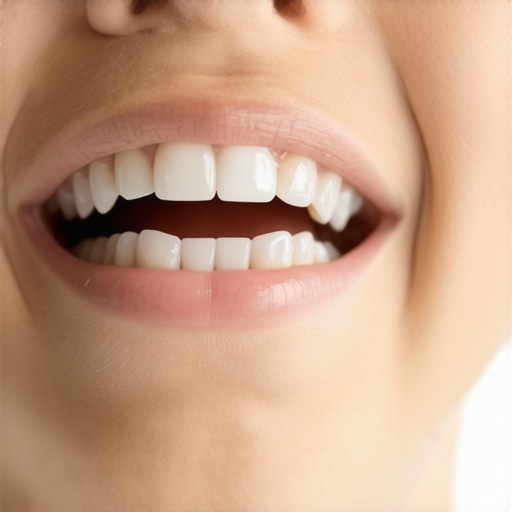
I vividly remember the moment I first noticed my child’s big smile—those tiny, pearly white baby teeth sparkling perfectly. Fast forward a few years, and suddenly, his new permanent teeth appeared noticeably more yellow. It struck me like a punch to the gut. Was I neglecting his oral health? Was something wrong? That lightbulb moment made me realize how common—and confusing—this change can be for many parents.
If you’re noticing your child’s adult teeth looking yellower than their baby teeth, you’re not alone. Believe it or not, this is a question I’ve encountered countless times in my experience as a family dentistry enthusiast. The good news is, understanding why this happens can put your mind at ease and help you take the right steps toward maintaining healthy, bright smiles.
In today’s post, I want to uncover the real reasons behind this common phenomenon and guide you through practical solutions that can make a difference. Whether it’s a temporary discoloration or something worth addressing, I promise to share insights based on trusted expertise, so you can approach your child’s dental health with confidence.
Understanding Why Your Child’s Permanent Teeth Are Looking Yellow
One of the first mistakes I made early in my journey as a family dentistry advocate was dismissing the natural differences between baby and adult teeth. I naively assumed that all teeth are created equal in color and strength, which is simply not true. Adult teeth are naturally thicker and can contain more yellowish dentin—a layer beneath the enamel—making them appear darker or more yellow compared to the translucent enamel of baby teeth.
But there’s more to the story. Factors like enamel thickness, dietary habits, and oral hygiene play crucial roles in how teeth look. For example, if your child consumes foods and drinks high in sugar or staining agents, their teeth might develop surface stains that accentuate the yellow hue. Also, early neglect in proper teeth cleaning can allow plaque buildup and staining, making the teeth appear duller.
Additionally, some children are born with naturally thinner enamel, which reveals the yellowish dentin underneath more prominently. This condition isn’t necessarily a sign of poor health; it’s often linked to genetics and is perfectly normal. But if you’re concerned, consulting a professional can help you determine whether there’s a deeper issue.
Have you noticed your child’s permanent teeth turning yellow as they grow in? Understanding these nuances can help you decide whether routine cleaning will suffice or if further action might be necessary. For more tips on maintaining healthy smiles, check out our comprehensive guide on [family dentistry practices](https://periodontistcare.com/family-dentistry-focus-building-a-lifetime-of-healthy-smiles).
In the next sections, we’ll explore specific steps you can take—like professional teeth cleaning or considering dental crowns—to keep those adult teeth looking and feeling their best.
Implementing a Consistent Oral Hygiene Routine
Start by establishing a daily brushing schedule with a fluoride toothpaste suitable for children, ideally brushing twice a day for two minutes each time. I remember a Sunday morning when I supervised my son’s brushing, making sure every tooth was scrubbed; initially messy, but it quickly became part of our routine. This consistency prevents plaque buildup and surface stains that contribute to discoloration.
Use Proper Brushing Techniques
Teach your child to hold the toothbrush at a 45-degree angle to the gums, gently moving in circular motions. Think of it as polishing a car rather than scraping paint—gentle, thorough, and effective. When my niece struggled with her brushing, I demonstrated this method, and over a week, her teeth looked noticeably less dull, thanks to improved cleaning. Proper technique is crucial to remove surface stains and prevent plaque accumulation.
Diet and Lifestyle Adjustments for Brightening Teeth
Limit sugary and staining foods like candies, sodas, and dark-colored drinks. Instead, encourage water as the primary beverage. I once replaced soda with infused water for my son, and within a few weeks, his teeth appeared brighter, and his overall health improved. Using a straw can also minimize contact of staining agents with teeth, similar to how a straw directs a beverage away from the teeth, reducing staining risk.
Introducing Healthy Snacks
Offer crunchy vegetables like carrots and celery, which act like natural toothbrushes, scraping away plaque as your child chews—think of them as the toothbrush’s natural partners. I remember packing these for my daughter’s school lunch, and her teeth were cleaner without extra effort. Incorporating these into daily snacks helps maintain natural whiteness and overall dental health.
Seeking Professional Dental Care
Schedule regular dental check-ups every six months to monitor your child’s oral health. During these visits, professionals perform thorough cleanings that reach areas beyond regular brushing, removing stubborn stains and plaque. I once took my son for a cleaning, and the dentist used ultrasonic tools, which felt like a gentle brush but effectively removed surface discolorations, leaving his teeth visibly brighter. Professionals spot early signs of enamel thinning or other issues that can cause yellowing.
Understanding Professional Treatments
Methods like professional teeth cleaning are akin to giving your car a complete detailing—removing not just surface dirt but also hidden grime. If discoloration persists, inquire about options such as dental whitening or crowns. For instance, I learned that a porcelain crown can mask persistent yellowing or damage, providing a natural, bright appearance—more about this can be found here. Regular visits ensure that any underlying issues are addressed before they worsen.
Considering Dental Restorations When Needed
If your child’s teeth are severely discolored or damaged, crowns might be the best option. Think of crowns as custom-made hats for teeth—they restore function and improve appearance. A specific story I recall: after an accidental fall, my friend’s child’s tooth was chipped and discolored; a well-fitting crown not only restored the tooth’s strength but also matched the surrounding teeth seamlessly. Learn more about crowns here. Consulting with a dentist will help determine the suitable treatment for achieving a bright, healthy smile.
Many people think they understand the basics of oral care, but there are often misconceptions that can lead to costly mistakes. For example, a widespread myth is that professional teeth cleaning isn’t necessary if you brush thoroughly at home. In reality, even diligent brushing cannot replace the plaque removal performed during a professional cleaning, which targets hidden areas and tartar buildup that home care often misses. Relying solely on at-home care can lead to the unnoticed progression of gum disease, undermining long-term oral health. Additionally, some believe that dental crowns are purely cosmetic. However, crowns play a crucial role in restoring damaged teeth, preventing further decay, and preserving function. Misunderstanding their purpose can result in delayed treatment and more invasive procedures later. An advanced consideration most overlook is the impact of material selection for crowns. Zirconia crowns, for example, offer superior strength and biocompatibility compared to older porcelain-metal hybrids, which can cause gumline discoloration—a common but avoidable aesthetic issue. Experts suggest that choosing the right crown material should be based on individual needs rather than cost alone. There’s also a trap many fall into regarding oral hygiene routines. People often believe that brushing harder leads to cleaner teeth, but excessive force can damage enamel and gums, increasing sensitivity and recession. Instead, gentle, thorough brushing is recommended by dental professionals. Studies support this approach, highlighting the importance of proper technique over brute force. For those considering crowns or other restorations, understanding the nuances of maintenance is vital. Proper cleaning with recommended tools and techniques, such as non-abrasive toothbrushes and interdental brushes, can significantly extend the lifespan of dental work—more detailed advice can be found in our guide on [caring for crowns](https://periodontistcare.com/caring-for-crowns-essential-tips-for-longevity-and-shine). Recognizing these subtle differences can save you from common pitfalls and ensure your family’s oral health remains optimal. Have you ever fallen into this trap? Let me know in the comments and share your experiences.Maintaining your family’s oral health isn’t a one-time effort but a continuous journey that benefits greatly from the right tools and consistent habits. Personally, I rely on a combination of advanced electric toothbrushes and interdental cleaning devices to keep teeth and gums healthy over the years. The key is selecting equipment that matches your family’s needs and ensuring proper usage to prevent issues before they become serious. For example, I prefer the Philips Sonicare DiamondClean because its sonic technology provides superior plaque removal while being gentle on gums—an essential consideration for children and adults alike. Regularly updating your tools, like replacing toothbrush heads every three months, ensures optimal performance and reduces bacterial buildup, which can compromise long-term results.
Investing in a quality water flosser, such as the Waterpik Sonic-Fusion, has transformed my routine. It combines brushing and flossing into a single device, saving time and increasing compliance among busy family members. The pulsating water effectively dislodges plaque in hard-to-reach areas, a benefit I personally notice after every use. As dental research emphasizes, integrating such tools can significantly improve periodontal health and reduce the likelihood of cavities and gum disease.
In terms of software or app-based tracking, I use a dental health app that prompts me and my family to stick to routines, log appointments, and track progress over time. This not only makes maintenance more engaging but also helps in identifying trends that might require professional attention. For instance, if I notice increased sensitivity or bleeding, I schedule an appointment promptly to address potential issues early.
Predicting where dental care is heading, I believe digital integration and smart devices will become even more prevalent. Future tools may include AI-powered toothbrushes that adapt brushing intensity based on real-time feedback or sensors that monitor enamel eroding areas, alerting users before problems escalate.
### How do I maintain tools and ensure longevity?
To keep your dental tools functioning effectively over time, regular cleaning and proper storage are vital. Rinse electric toothbrush heads thoroughly after each use, and store everything in a dry, ventilated space away from dust or mold. Replace brush heads and tips on schedule—most manufacturers recommend every three months—to prevent bacterial buildup. If you’re using devices like water flossers, periodically descale them to prevent mineral buildup, especially in areas with hard water.
I’ve found that following the manufacturer’s maintenance instructions detailed in resources like [Caring for Crowns](https://periodontistcare.com/caring-for-crowns-essential-tips-for-longevity-and-shine) not only prolongs the life of your dental restorations but also enhances the effectiveness of cleaning routines. Remember, investing in quality tools and maintaining them properly reduces the need for frequent replacements and prevents future costly procedures.
Start by upgrading your family’s toothbrush and adding a water flosser to your routine this week. Consistency with these tools, combined with regular professional check-ups, is the cornerstone of lasting oral health and a confident smile for years to come. For comprehensive guidance on integrating tools into your daily routine, revisit our [family dentistry focus](https://periodontistcare.com/family-dentistry-focus-building-a-lifetime-of-healthy-smiles) page. Your future self will thank you for making these smart investments today.
What I Wish I Knew About Teeth Discoloration Early On
One of the most eye-opening lessons I learned was that naturally thinner enamel and the underlying dentin significantly influence tooth color. Recognizing that some yellowness is normal helped me stop unnecessary panic and focus on appropriate care strategies. This awareness is crucial for parents who want to support their child’s dental health without overreacting to normal variations.
Why Regular Professional Cleanings Are Game Changers
The biggest revelation was realizing how much a professional teeth cleaning can do beyond brushing and flossing at home. Ultrasonic tools and expert plaque removal can uncover issues early, ensuring your child’s smiles stay bright and healthy for years. My routine now includes biannual dentist visits, and the difference in my family’s oral health has been remarkable.
Don’t Fall for the ‘Brush Harder’ Myth
Learning that gentle yet thorough brushing is more effective than applying excessive force was a lightbulb moment. Not only does this prevent enamel erosion, but it also reduces gum recession, which can make teeth appear more yellow over time. Proper technique, guided by dental professionals, truly makes a lasting difference.
My Essential Toolkit for Family Dental Hygiene
From electric toothbrushes like the Philips Sonicare to water flossers such as Waterpik’s Sonic-Fusion, investing in quality tools has transformed our oral care routine. Coupled with effective apps that track habits, these tools keep everyone accountable and motivated on their journey toward healthier smiles. Choosing the right equipment is a personal decision rooted in trust and proven results.
Making Bright Smiles a Family Affair
The most inspiring insight was understanding that creating a culture of oral health at home—through consistent routines, healthy eating, and regular dental visits—can set your child up for lifelong confidence. It’s never too early to introduce good habits and stay proactive about addressing any concerns, big or small. Remember, your efforts today lay the foundation for their future smile.
Where to Go from Here
If you’re ready to take your family’s dental health to the next level, explore trusted resources like [family dentistry practices](https://periodontistcare.com/family-dentistry-focus-building-a-lifetime-of-healthy-smiles) or consult with a professional about personalized treatment options. Embrace the learning process, and celebrate each step toward brighter, healthier smiles.
Make the Commitment to Shine Bright
Your child’s dental journey is uniquely yours, filled with discoveries, small victories, and moments of reassurance. Keep learning, stay consistent, and remember that your proactive choices directly impact their confidence and well-being. Today is the perfect day to reinforce those positive habits and keep those smiles shining!
What has been the most surprising lesson you’ve learned about maintaining your family’s oral health? Share below—I love hearing your stories!
,