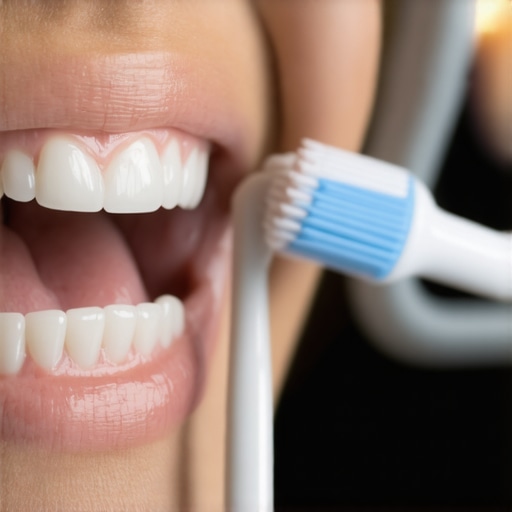
Have you ever finished brushing your teeth, only to feel that strange, lingering stickiness? I remember the moment I first experienced it—initially brushing seemed to make things worse, leaving my mouth feeling coated and uncomfortable. It was a lightbulb moment for me: something was off, and I needed to figure out why my teeth felt sticky even after what I thought was a thorough clean.
Getting to the Root of a Sticky Feeling
The sensation of sticky teeth after brushing isn’t just an annoying quirk—it’s often a sign that something in your oral hygiene routine needs a closer look. It could be leftover plaque, residual toothpaste, or even the early signs of plaque buildup, which can harden into tartar if not addressed. The good news? Most of the time, this issue can be resolved with some simple adjustments and understanding of your oral health.
Is Your Routine Missing Something?
Before jumping to conclusions, I must admit I made a common mistake early on: I believed that brushing alone was enough for a deep clean. But oral health is more nuanced. For instance, I neglected to incorporate flossing or a mouthwash tailored to my needs. This oversight allowed plaque to hide in spaces my toothbrush couldn’t reach, leaving that sticky sensation behind. Did you know that according to the American Dental Association, plaque begins forming on teeth within minutes after brushing, making it imperative to maintain a consistent, comprehensive routine? Proper technique and a multi-faceted approach can make a real difference.
If you’ve faced a similar problem—the unmistakable feeling of residual stickiness—you’re not alone. Many people struggle with optimizing their oral care, especially when it comes to maintaining that fresh, clean feeling. But fear not: the next steps I’ll share are proven, practical, and tailored to help you break through this sticky barrier—restoring your confidence and comfort with every brush.
Freshen Up with a Comprehensive Brushing Technique
Start by replacing your typical quick brush with a meticulous, slow circular motion covering all tooth surfaces. I remember a time I watched a tutorial and realized I was rushing through my routine, missing spots. Since then, I dedicated two full minutes, ensuring my brush reached each nook. Use a soft-bristled toothbrush and a fluoride toothpaste, as this combo is proven to disrupt plaque effectively. Proper technique is crucial because, like cleaning a delicate piece of jewelry, gentle yet thorough action preserves your gums and removes debris more efficiently. Consider upgrading to an electric toothbrush, which automates the optimal movement, akin to hiring a professional cleaner for your teeth.
Make Flossing Your Secret Weapon
Flossing reaches areas your toothbrush simply can’t—between teeth and under the gum line. After my first attempt using a waxed floss, I noticed less residual gunk and a smoother feeling. Break off about 18 inches of floss, wind most of it around your fingers, and gently slide it between each tooth, curving it into a C-shape against the side of each tooth. This action dislodges plaque and food particles, preventing them from hardening into tartar—a common cause of stickiness. Don’t rush; providing a rhythmic, methodical flossing session ensures comprehensive coverage. For those who dread traditional floss, a water flosser can deliver a similar deep clean, especially important around crowns or implants. Explore https://periodontistcare.com/teeth-cleaning-secrets-effective-home-practices-for-family-dental-health for detailed techniques.
Swish with the Right Mouthwash
Rinsing with an antimicrobial mouthwash after brushing and flossing can eliminate lingering bacteria and freshen breath. I once skipped this step, and my mouth still felt coated—adding a mouthwash with active ingredients like chlorhexidine or essential oils made a noticeable difference. Measure the recommended amount and swish vigorously for 30 seconds, ensuring coverage of all oral surfaces. This step acts like the final polish on a car—giving everything that extra shine and cleanliness. Be cautious to choose a mouthwash suited for your needs, as some formulations contain alcohol or other elements that might irritate sensitive gums. Look into https://periodontistcare.com/understanding-the-role-of-crowns-in-modern-smile-makeovers to understand how crowns influence your overall oral health routine.
Utilize Proper Tongue Cleaning Techniques
Cleaning your tongue is often overlooked but plays a vital role in reducing bacteria that cause bad breath and residue. Using a tongue scraper or the back of your toothbrush, gently remove coating from the surface. Once, I neglected this step, noticing a persistent white film on my tongue that contributed to that sticky feeling. Regular tongue cleaning can lessen plaque buildup and improve overall oral freshness. Incorporate this into your routine every morning and night—like dusting the shelves in your home—it prevents dirt from accumulating and keeps your mouth feeling clean long after brushing.
Adjusting Your Routine for Lasting Results
Consistency trumps intensity; sticking to a daily routine ensures plaque doesn’t resettle. Keep your toothbrush clean by rinsing thoroughly after each use and storing it upright to air dry—this prevents bacterial growth that can cause residue. Replace your toothbrush every three to four months, or sooner if bristles fray, mirroring changing worn-out tools for optimal performance. Regular professional cleanings at your dentist’s office can remove hardened tartar that at-home methods struggle to tackle. Explore https://periodontistcare.com/maintaining-your-dental-crowns-dos-and-donts-for-best-results for guidance on caring for crowns, which can be sensitive to improper hygiene if neglected.
By integrating these steps into your daily routine, you’ll notice a significant reduction in that unpleasant sticky sensation, leading to a fresher, healthier mouth. Remember, maintaining excellent oral hygiene is a continuous process—small adjustments can make a big difference in your confidence and overall wellbeing.
Many Believe Crowns Are One-Size-Fits-All
Contrary to popular belief, not all dental crowns are equal, nor are they a cure-all for dental issues. For instance, some assume that once a crown is placed, it will last forever with minimal maintenance. However, the reality is more nuanced. Different materials like porcelain, zirconia, or metal have varying lifespans and require specific care protocols. Overlooking these differences can lead to premature crown failure or other complications. For a comprehensive understanding, you might explore how crowns can transform your confidence and ensure you make informed decisions about your dental health.
The Myth That Good Oral Hygiene Is Enough
Many people think that diligent brushing and flossing can prevent all crown issues or other dental problems. While daily routines are crucial, they don’t cover the full picture. For example, intimate knowledge of how to properly care for crowns—including avoiding certain foods and recognizing early warning signs—is often missing. This oversight can cause wear, chipping, or recurrent decay beneath the crown. Visiting your dentist regularly for professional cleanings, as discussed here, is essential for maintaining both your natural teeth and restorations over time.
How Does Excessive Force Accelerate Crown Wear?
Applying high pressure on crowns—like grinding your teeth or chewing hard objects—can significantly reduce their lifespan. Even seemingly minor habits, such as opening packages with teeth or biting on ice, contribute to material fatigue. According to a 2022 study published in the Journal of Prosthetic Dentistry, patients who monitored and mitigated parafunctional habits experienced up to 30% longer crown durability. Be mindful of these subtle yet impactful factors to prevent unforeseen failures. To learn more about optimizing crown lifespan, check tips for caring for crowns.
Family Dental Care Isn’t Just About Routine Checks
Most assume that making appointments and brushing twice daily suffices for keeping everyone’s mouths healthy. Yet, advanced diagnostics, such as saliva testing or custom mouthguard fitting, can identify risks before issues become visible. For families aiming for long-term wellness, integrating individualized assessments is key. Additionally, educating children early about effective hygiene habits—such as proper brushing, flossing, and dietary choices—can set the foundation for a lifetime of healthy smiles. Discover more at family dentistry’s role in lifelong oral health.
The Danger of Overconfidence in DIY Dental Care
Many are tempted to try fixes like DIY whitening or removing plaque with household tools. While these might seem cost-effective, they often backfire, damaging enamel or causing gum irritation. The ‘oops’ factor here is real: misuse can lead to increased sensitivity, infections, or irreversible damage. For example, over-the-counter whitening products contain potent chemicals that, when misused, may weaken your natural enamel, making teeth more susceptible to decay. Always consult a professional before embarking on aggressive treatments. If you’re interested in safe and effective whitening options, explore expert tips on whitening.
Protecting Your Smile Requires Nuance
In summary, understanding that veneers of knowledge—such as the material differences in crowns or the limitations of DIY methods—are crucial. Many misconceptions persist, like the idea that treatments are universally durable or that home routines alone suffice for complex issues. Being aware of these nuances empowers you to make better choices and avoid costly mistakes. Regular professional guidance, personalized care plans, and a comprehensive understanding of your unique oral health needs form the cornerstone of long-lasting smiles. Have you ever fallen into this trap? Let me know in the comments and share your experiences with these common myths.
Investing in the Right Tools for Lasting Oral Health
Maintaining your crowns and overall oral health requires more than just regular brushing; it demands the right equipment. Personally, I swear by using an **electric toothbrush with pressure sensors** like the Oral-B Genius series. The built-in sensors alert me if I brush too hard, protecting my crowns and gums from undue stress. The oscillating-rotating action of these brushes revitalizes plaque removal, especially in hard-to-reach areas around crowns and bridges. Moreover, I supplement brushing with a **water flosser**, such as the Waterpik Aquarius. It wildly improves interdental cleaning, particularly around crowns where floss can sometimes be tricky to maneuver. According to expert advice from caring for crowns, investing in quality tools significantly prolongs their lifespan and conserves your investment in oral health.
The importance of consistent maintenance routines
Routine is everything when it comes to long-term crown durability. For instance, I follow a disciplined routine of thoroughly brushing twice daily, flossing with a water flosser, and using an antibacterial mouthwash—changing my habits slightly based on my latest dental checkups. In addition, I periodically check the health of my restorations, examining for any signs of wear or looseness. Setting reminders on my phone for dental checkups helps me stay ahead of potential problems. Regular professional cleanings, which you can learn more about here, are critical — they target tartar buildup that at-home methods can’t always handle, especially around crowns and overlays.
How do I maintain crowns and restorations over time?
First, adhere to your dentist’s recommendations for routine checkups. Second, use tools designed specifically for crowns, avoiding abrasive toothpaste that could wear down their surface. Third, consider using a **soft-bristled toothbrush** or an **electric toothbrush with gentle settings** to prevent excessive force. Fourth, avoid biting hard foods like ice, nuts, or popcorn kernels which might crack or dislodge your crown. Lastly, stay vigilant for any pain or loosening—early intervention can save you costly repairs later. Consistent care often involves minor but vital adjustments, which is why I utilize a **digital monitoring app** to track my routine and reminders. If you’re serious about your long-term oral success, I highly recommend trying out these tools and habits—your future self will thank you.
The future of oral maintenance: tech on the horizon
Looking ahead, innovations like **smart dental toothbrushes** that connect to apps are poised to revolutionize personal oral care. These devices provide real-time feedback on brushing technique, pressure, and coverage, making sure you’re not missing spots—particularly around crowns and implants. Additionally, **AI-powered diagnostics** could soon enable at-home detection of early crown issues or decay, prompting timely professional visits. As these technologies become more affordable and user-friendly, maintaining your dental work will be easier, safer, and more effective than ever. To stay ahead, incorporate these innovative tools into your routine and discuss their suitability during your next dental visit.
How do I keep my crown and oral health routines effective over the long haul?
Commit to regular updates on your tools and habits. Replace your toothbrush or water flosser tips as recommended—typically every three months. Incorporate advanced gadgets like smart toothbrushes to get instant feedback and improve your technique. Schedule professional checkups at least twice annually, and communicate any concerns about your crowns promptly. Remember, even small deviations in routine can impact long-term results, so staying proactive is essential. Exploring new technologies and techniques, such as those discussed in expert advice on crown care, can elevate your maintenance strategy significantly.
If you’re ready to elevate your crown care, start by integrating a **water flosser with adjustable pressure settings** into your daily routine. This simple addition can dramatically improve interdental cleaning and promote healthier gums and crowns alike. Give it a try today and take a confident step toward lasting oral health!
Through my journey with crowns and oral health, I’ve learned that true confidence stems from understanding the nuances of our dental routines. One profound lesson was realizing that routine checks aren’t just about cleanliness—they’re about catching small issues before they escalate, preserving both your natural teeth and restorations. Realizing how minor habits like biting on ice or neglecting tongue cleaning can accelerate wear opened my eyes to the importance of mindful daily care. Additionally, I discovered that integrating innovative tools like smart toothbrushes can provide real-time feedback, transforming the way I maintain my smile. Embracing these insights has empowered me to invest in long-term dental wellbeing, proving that knowledge truly is the best dental insurance.