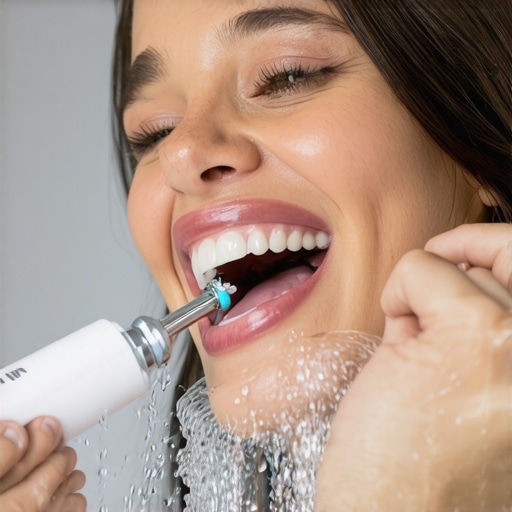
Have you ever sat in the dental chair, hearing your dentist talk about water flossers, and felt a bit lost? I definitely have. There was a time when I thought I was doing everything right—flossing, brushing, regular check-ups—but still faced discomfort around my crowns. It hit me one day during a routine cleaning: I was using my water flosser incorrectly, and it was silently undermining my efforts to protect those precious dental work. That lightbulb moment changed everything.
Why Proper Water Flosser Technique for Crowns Matters More Than You Think
Is All Water Flossing Created Equal?
Early on, I made the mistake of thinking that more pressure meant a better clean. Turns out, pushing my water flosser too hard was causing irritation and even loosening my crowns over time. It’s a common misconception. Many folks believe that aggressive water streams give a deeper clean, but gentle, targeted techniques are more effective and safer—especially around crowns and dental work. According to dental experts, a tailored approach preserves the integrity of your crowns while removing plaque and debris.
Have you ever used your water flosser with too much force or not focused the stream properly around your crowns? If so, you’re not alone. Many people unknowingly make mistakes early in their water flossing routine, leading to issues that could have been avoided with the right technique. That’s why I want to share what I’ve learned—a way to keep your crowns vibrant, healthy, and secure.
Prep Your Water Flosser Correctly
Start by filling your water flosser with lukewarm water; cold water can cause discomfort near sensitive crowns, while hot water risks tissue irritation. Attach the nozzle, ensuring it’s firmly connected to prevent leaks. Nearly knocked over my glass of water during my first attempt, but a careful setup avoided messes and made the process smoother afterward.
Set Appropriate Pressure Levels
Begin with the lowest pressure setting, especially around crowns, to prevent any dislodgement or irritation. Increase gradually if comfortable, but NEVER force the stream; think of it as gently brushing rather than blasting. My initial trial at high pressure caused minor gum soreness, reminding me that gentle is effective and safer.
Target the Stream Precisely
Hold the tip at a 90-degree angle to your gumline, positioning it just above the crown. Use a slow, sweeping motion to direct water underneath and around the crown margins. Resist the urge to hover; consistency beats intensity here. During my first try, focusing on a small section for 5 seconds before moving on was key to thorough cleaning without discomfort.
Focus on Angling for Maximum Effect
Angle the nozzle to aim directly at the gumline and the sides of the crown. Imagine trying to clean a delicate jewel; precision is more important than force. I found that adjusting my hand slightly improved water flow directly where it was needed most, particularly around hard-to-reach areas.
Adjust and Repeat Methodically
Work your way around all your crowns and other dental work, dividing your mouth into quadrants. Spend about 15-20 seconds per section to ensure comprehensive cleaning. Rushing can miss debris or cause overuse of pressure. My initial session took longer intentionally to learn the nuances—initially messy but worth every second for cleaner, healthier crowns.
Finish with a Rinse and Inspection
After completing water flossing, rinse your mouth with plain water or a non-alcoholic rinse. Inspect your crowns visually or with a mirror to check for debris. If you notice persistent debris around the crown margins, repeat the process gently until clear. Regular practice with proper technique consistently improves overall oral health—the cornerstone of maintaining those beautiful crowns.
Incorporating these precise steps helps preserve the longevity of your crowns while reducing irritation or loosening risks. For additional insights on optimizing your routine, consider exploring [teeth cleaning secrets](https://periodontistcare.com/teeth-cleaning-secrets-effective-home-practices-for-family-dental-health) and other expert advice on family dental care.
Many people believe they understand the basics of maintaining oral health, but misconceptions persist that can undermine your efforts. One prevalent myth is that frequent professional cleanings alone are enough to keep your teeth healthy, but actually, daily home care and understanding your unique dental needs are crucial for long-term success. For example, some assume that all dental crowns can last forever if properly cared for, but according to experts, factors like material type, placement angle, and patient habits significantly influence crown longevity. A common mistake is using overly aggressive flossing around crowns, which can loosen or damage them over time; gentle technique combined with the right tools is far more effective. In terms of common myths, many assume that whitening toothpastes can substantially change tooth color, but in reality, they mainly prevent stains rather than remove existing discoloration, as shown in research.
Focusing on advanced nuances, one often-overlooked aspect is saliva flow and its impact on oral health. Reduced saliva production can cause dry mouth, increasing decay risk and complicating dental treatments. While many think dry mouth only occurs after medication use, lifestyle factors like dehydration and certain health conditions can also be culprits, as highlighted in numerous studies. Addressing these subtleties can dramatically improve oral health outcomes.
Another advanced mistake involves improper use of dental tools—like misusing interdental brushes or relying solely on electric toothbrushes without proper technique. Many believe that technology alone will maintain teeth; however, as emphasized in professional advice, manual dexterity, consistent technique, and tailored strategies are essential to maximize benefits and avoid damage.
Finally, there’s a hidden nuance concerning the timing and frequency of dental visits. While biannual visits are standard advice, some individuals with specific risk factors—such as a history of periodontal disease or dental restorations—may require more frequent check-ups to catch emerging issues early. Recognizing these subtleties can help you customize your dental care plan effectively.
These insights highlight the importance of moving beyond misconceptions and embracing a nuanced, tailored approach to oral health. Do you ever wonder if your routine is optimized for your unique needs? Exploring expert resources like family dentistry principles can shed light on overlooked details that make a real difference. Have you ever fallen into this trap? Let me know in the comments.
Keeping It Working: Essential Tools for Your Oral Health
Maintaining your oral health over time relies heavily on the right tools and proper routines. Personally, I swear by the professional-grade water flosser, which offers superior pulsation power and adjustable pressure. It allows for precise cleaning around crowns and bridges without risking damage, unlike cheaper models that often lack customization.
Another must-have is a sonic toothbrush. I’ve transitioned from manual brushing to a reputable sonic model because it delivers thousands of brush strokes per minute, significantly reducing plaque buildup. When choosing a sonic brush, I recommend one with a timer, a pressure sensor, and replaceable heads—features that ensure thorough cleaning and prevent over-brushing that can harm gums.
Smart Toothbrushes and Digital Management
Advanced tools like electric toothbrushes with Bluetooth connectivity help monitor your brushing habits, providing feedback on duration and coverage. This technology ensures you’re not missing spots, especially around crowns and fillings. I personally rely on apps that sync with my toothbrush to keep track and improve over time.
Routine Maintenance That Pays Off
Long-term success isn’t just about tools—it’s about consistent maintenance. Scheduling professional cleanings at least twice a year is vital, but supplementing this with daily habits makes all the difference. Regular use of interdental brushes, especially for those with dental restorations, ensures debris doesn’t accumulate where brushes can’t reach.
For instance, I incorporate interdental picks designed with flexible, thin bristles that gently clean between crowns, avoiding damaging the seal or causing loosening. Experts like advocate for using tools tailored to your specific dental work to prolong their lifespan.
Predictions for the Future of Dental Tools
Looking ahead, I foresee smart, automated cleaning devices that adapt real-time to your oral environment, possibly even integrated with AI to customize routines for individual needs. Such innovations could revolutionize family dentistry, making maintenance easier and more effective at home.
How do I maintain my dental tools and routines over time?
The key is consistent care—regularly replacing brush heads, disinfecting tools, and updating software. Monitoring your technique with modern sensors helps catch issues early, preventing more significant problems like crown loosening or decay. Incorporate these tips, and you’ll be well on your way to a smile that stays radiant for years to come.
Start by trying out a sonic toothbrush with an app today. The immediate feedback will empower you to refine your brushing technique, especially around crowns and hard-to-reach areas.
For additional guidance on maintaining durable crowns and teeth cleaning routines, consider exploring teeth cleaning secrets designed for long-term results.
The Hardest Lesson I Learned About Crowns and Water Flossing
After struggling for months with crown discomfort, I discovered that my technique was silently causing damage. The biggest revelation was understanding that gentle, precise water flosser use, rather than brute force, is essential to protecting dental work. This lightbulb moment transformed my routine and extended the lifespan of my crowns.
Think You Know It All? Think Again About Family Dentistry and Oral Care
Many assume that regular brushing and professional cleanings suffice, but I learned that individualized home care strategies—like tailored water flosser techniques—are crucial. Ignoring this can undermine even the best dental plans. For more insights, I recommend exploring family dentistry fundamentals.
My Tool Kit for a Confident Smile
Over time, I curated a set of tools that make a real difference: a quality water flosser with adjustable pressure, a sonic toothbrush with smart features, and interdental brushes designed for crowns. Trust in these tools comes from personal experience—they’ve helped me maintain oral health more effectively than ever before.
Keep Moving Forward with Purpose and Care
The journey towards optimal dental health is ongoing. I challenge you to revisit your routine regularly, embrace technology that promotes gentle precision, and stay curious about expert advice. Your smile is worth the effort—invest in it today.
What Hidden Wisdom Have You Uncovered in Your Dental Routine?
Share your personal insights below! Have you ever realized you were using your water flosser incorrectly or discovered a long-standing myth that turned out to be false? Let’s learn from each other’s experiences and keep improving our oral health together.