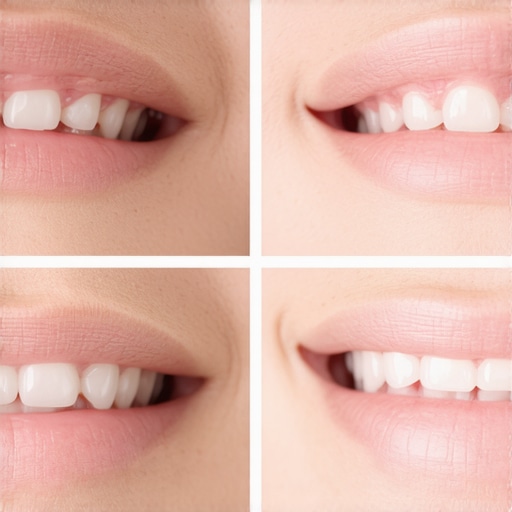
It happened in the middle of brushing my teeth one morning, and I nearly panicked. There I was, gazing into the mirror, noticing my gums looked a little paler than usual. Was it just a trick of the light, or was something more concerning happening? That moment sparked a whirl of questions—how do I tell if my gums are healthy or if that pale hue signals trouble? If you’ve ever experienced something similar, you’re not alone. Many people overlook their gum health, assuming everything’s fine until there’s a problem. But the truth is, your gums can tell you a lot about your overall oral health—if you know what to look for.
Recognizing the Signs of Healthy Gums
Healthy gums are usually a soft, pink color, firm to the touch, and fit snugly around your teeth. They shouldn’t bleed when you brush or floss, and there shouldn’t be any swelling or redness. But what about when they look pale or whitish? Sometimes, a slight change in coloration can be normal, especially if you’re in a certain health condition or after treatments like crowns. However, a persistent pale appearance could be a warning sign of anemia, or other health issues impacting blood flow and oxygen levels. If you’ve noticed that your gums suddenly look paler than usual or have concerns about their color, it’s worth paying attention and consulting with your dentist.
The Power of Your Gums
Your gums act as the foundation for your teeth. They protect your roots, keep bacteria at bay, and contribute to your smile’s appearance. Taking good care of your gums isn’t just about fresh breath; it’s about preventing serious issues like periodontal disease, which can lead to tooth loss. Early detection is key, which is why knowing how to identify the signs of healthy versus unhealthy gums can save you from painful, costly procedures down the line. If you’re unsure, don’t hesitate to check with a professional—sometimes what seems minor can be a bigger concern. And speaking of mistakes, I once ignored a slight gum irritation, thinking it was nothing. That oversight led to a more complicated infection. Don’t make the same mistake—trust your instincts and their signals.
Is Pale Gums Actually Worth the Worry?
It’s natural to question whether slight changes in gum color are alarming. Many folks dismiss pale gums as nothing serious, especially if they aren’t experiencing discomfort. However, studies show that gum coloration can reflect underlying health conditions, including anemia and circulatory issues (source: National Center for Biotechnology Information). Early awareness can help you seek timely care. Remember, my early mistake was assuming all that mattered was brushing—yet ignoring subtle signs can be a costly error. Recognizing the importance of gum health is the first step—stay tuned as I share practical tips you can start today to evaluate and improve your gum condition.
Assess Your Gums Like a Pro
Begin by examining your gums in the mirror. Look for areas that are pale or whiter than usual, and note any swelling, redness, or bleeding during brushing or flossing. Use a clean finger or a soft toothbrush to gently feel the gum line. Healthy gums should feel firm and snug around your teeth—not puffy or tender. I remember a time I gently ran my finger along my gum line after noticing discoloration; I detected a slight puffiness that I hadn’t noticed visually. That early detection prompted me to improve my oral hygiene routine before issues worsened.
Master Daily Oral Care Rituals
Brush Correctly and Effectively
Use a soft-bristled toothbrush and gentle circular motions to clean all surfaces of your teeth. Don’t press too hard; think of brushing like using a paintbrush—gentle but thorough. Replace your toothbrush every three months or sooner if the bristles fray, as worn brushes are less effective. I once tried to extend the use of an old brush—the result was missed plaque buildup, leading to gum irritation. Regularly switching brushes is like changing the paintbrush before it loses its stiffness; it ensures cleaner results.
Floss with Precision and Care
Slide the floss gently between your teeth, curving it around each tooth in a C-shape, and glide it beneath the gum line. This removes plaque and food particles that brushing alone can’t reach. Be cautious not to snap the floss, which can injure delicate gum tissue. I recall a messy attempt where I pulled too hard; it caused some bleeding, but that taught me to be gentler. Proper flossing transforms plaque control from a chore into a vital step for gum health.
Incorporate Advanced Cleaning Tools
Consider using interdental brushes or water flossers if traditional flossing feels difficult. These devices can be especially helpful around crowns, braces, or bridges. For example, I started adding a water flosser to my routine, which made cleaning around my crowns significantly easier and more effective. Regular use enhances gum health and prevents plaque accumulation that can lead to inflammation or shrinkage.
Pay Attention to Your Dental Restorations
If you have crowns, monitor them for signs like looseness, discoloration, or swelling around the margins. Crowns can trap plaque underneath if not properly maintained, jeopardizing surrounding gum tissue. I once neglected to clean thoroughly around a crown, leading to early gum recession. To keep crowns in top shape, clean them as you would your natural teeth, and visit your dentist regularly for professional assessments. Follow these maintenance tips to prolong their lifespan and support healthy gums.
Schedule Consistent Dental Check-Ups
Regular visits—typically every six months—allow your dental professional to evaluate your gum health and catch issues early. During appointments, ask your hygienist to assess your gum line, look for signs of inflammation or recession, and perform professional cleaning to remove tartar buildup. I personally schedule my appointments three months apart, aligning with my cleaning routine, which keeps my gums in check and prevents surprises. These visits are like routine checkups for your car—preventive maintenance saves money and effort in the long run.
Adapt Your Lifestyle for Better Results
A balanced diet rich in vitamins C and D supports gum tissue repair and immune function. Reduce sugary snacks and drinks that feed harmful bacteria. Also, avoid tobacco products, which impair blood flow and slow down healing. I reduced my sugar intake after noticing my gums didn’t recover well after minor irritations—within weeks, my gum tissue showed marked improvement. Small lifestyle changes can make a big difference in how healthy your gums look and feel.
Many believe that brushing twice a day and flossing regularly are enough to ensure perfect oral health, but the reality is more nuanced. A common misconception is that all dental products are equally effective, yet the choice of toothbrush, toothpaste, and even flossing techniques can dramatically influence outcomes. For instance, using a medium or hard-bristled toothbrush may seem effective, but it can actually cause gum recession over time, especially if combined with aggressive brushing. Advanced research indicates that soft-bristled brushes paired with proper technique are more beneficial for long-term gum health (source).Maintaining optimal oral health requires more than just daily brushing and flossing; it demands the right tools that enhance your routine and ensure long-term success. One of my favorite investments is the SonicSmile Pro electric toothbrush. Its oscillating head delivers 40,000 micro-movements per minute, effectively removing plaque even in hard-to-reach areas around crowns and dental work. The built-in pressure sensor alerts me if I brush too hard, protecting my gums from recession—a common mistake with manual brushes. For polishing hard-to-clean spots, I rely on the ProCare interdental brushes, designed with ultra-soft bristles that glide gently but thoroughly between teeth, often reaching areas traditional floss misses. These brushes have transformed my approach to interdental cleaning, especially around crowns and bridges, where debris tends to accumulate.
Lessons from the Frontlines of My Dental Journey
One of the most eye-opening lessons I’ve learned is how easily we dismiss subtle signs of gum health, assuming minor changes are benign. I once ignored a faint discoloration, thinking it was nothing—only to realize it was an early warning of underlying issues. Trusting your instincts and paying close attention to minor signals can prevent larger problems down the line.
Another revelation was how crucial proper tools are—using a soft toothbrush and gentle techniques made a significant difference in maintaining healthy gums. Investing in the right interdental brushes and water flossers transformed my daily routine from a chore into a protective ritual that supports long-term oral health.
Finally, I discovered that consistency outweighs intensity. Regular dental check-ups and daily habits tailored to my needs provided peace of mind and a brighter, healthier smile. Your gums are more than just tissue—they’re the storytellers of your overall health. Listening carefully to what they reveal can be your best investment in oral wellness.
Tools and Resources That Changed My Approach
If you’re serious about understanding and caring for your gums, I recommend these essential tools: professional cleanings set the foundation, while a quality electric toothbrush ensures effective daily cleaning. For advanced interdental cleaning, I rely on water flossers, which make a noticeable difference. Additionally, reading materials like family oral health tips can deepen your understanding and motivate better habits.
Keep Your Smile Bright—Your Gums Will Thank You
Taking action to decode your gums’ messages isn’t just about aesthetics—it’s about safeguarding your overall health and confidence. Remember, every small step you take today can prevent discomfort and costly dental procedures tomorrow. So, embrace your role as your own oral health advocate and start listening to what your gums are telling you. Are you ready to become more aware of your gum signals and make proactive changes? Share your experiences or questions below—your journey to healthier gums begins now!
,