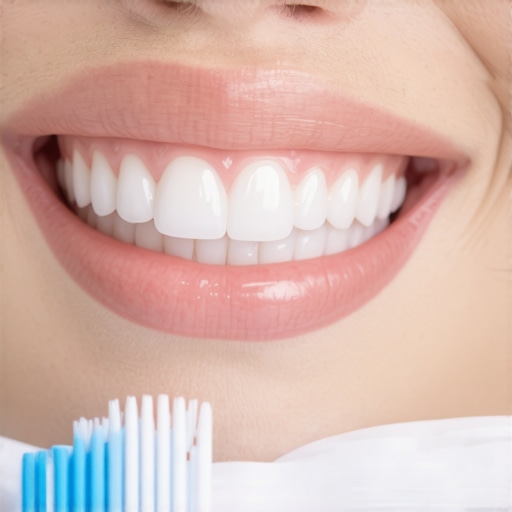
It happened during a routine visit—my teeth felt cleaner than ever after flossing diligently every night. Yet, within days, I noticed a stubborn redness and a slight discomfort along my gum line. That lightbulb moment made me realize something important: flossing alone isn’t enough. Despite my best efforts at home, I was still missing the places that bacteria love to hide, leading to issues I thought were only caused by neglect. This experience prompted me to dig deeper into why regular professional cleanings are essential—even if you’re a flossing fanatic.
The Real Reason You Still Need a Professional Cleaning
Many people assume that brushing and flossing are sufficient to maintain oral health. While these habits are vital, they don’t eliminate all plaque and tartar in hard-to-reach places. Over time, plaque hardens into tartar that only a dental professional can effectively remove. Skipping regular cleanings can lead to issues like gum disease, cavities, and even damage to dental restorations like crowns. As I learned, professional cleanings not only prevent these problems but also catch early signs of oral health issues before they become costly or painful.
Is it really worth the hype to get a cleaning if I floss regularly?
Here’s where I must admit my mistake—I believed my nightly flossing was enough. I thought that if I kept my teeth pretty clean, I could skip those visits and save time and money. Turns out, I overlooked areas where floss can’t reach—like under crowns or around braces—and plaque that’s hiding in microscopic crevices. Regular professional cleanings are an essential complement to daily care, not a substitute. For expert advice on maintaining a healthy smile, I recommend visiting [oral health tips for your family](https://periodontistcare.com/oral-health-tips-every-family-should-follow-in-2025). It’s a game-changer.
Have you ever felt that your home routines aren’t enough to keep your mouth truly healthy? Trust me, you’re not alone, and there’s a lot more to the story than just brushing and flossing. Let’s explore what you might be missing and how professional cleanings provide that extra layer of protection your smile needs.
Brush Like a Pro and Reach Hidden Spots
Start by using a soft-bristled toothbrush and fluoride toothpaste. Position your brush at a 45-degree angle to your gums and make gentle circular motions. Don’t forget the backs of your molars and your tongue—these areas harbor bacteria. During my last routine, I dedicated extra time to brushing the hard-to-reach areas near my molars, recognizing that plaque loves lurking there. The result was noticeably fresher breath and cleaner feel.
Floss Correctly to Disrupt Plaque
Break off about 18 inches of floss and wind it around your middle fingers. Gently slide the floss between your teeth, curving it around each tooth in a C-shape to clean underneath the gum line. I once tried a new flossing technique after watching a tutorial, which involved a zig-zag motion—immediately, I noticed less bleeding during subsequent cleanings, proving the importance of proper flossing. Make this a daily habit to keep plaque from hardening into tartar, which only a professional can remove.
Use a Water Flosser for Deep Cleansing
Attach the water flosser tip and set it to a gentle tap water flow. Aim the nozzle at the gum line, angling it just beneath the gums to dislodge debris. I once neglected this step, leading to a buildup of debris around my crowns. After incorporating a water flosser, I observed significant improvement in gum health and fresh breath.
Schedule Regular Professional Cleanings
Visit your dentist at least twice a year, or more if advised. During the appointment, a dental hygienist uses ultrasonics and hand tools to remove tartar and polish your teeth. Think of it like a car detail: home routines help maintain appearance, but a professional service restores the deep shine. I scheduled my last cleaning, and the hygienist identified early signs of gum irritation my home routine missed, allowing me to address it promptly.
Pay Attention to Restorations and Crowns
If you have dental crowns, they require special care. Use non-abrasive cleaning tools and avoid hard-bristled brushes that can scratch the surface. Regular cleanings help prevent plaque buildup around these restorations, extending their lifespan. I learned this firsthand when I kept my crowns shiny and intact by following my dentist’s advice to use specific cleaning tips from caring-for-crowns.
Maintain a Consistent Oral Hygiene Routine
Combine brushing, flossing, rinsing, and routine checkups into a daily habit. Rinses like antiseptic mouthwash can reduce bacteria but shouldn’t replace brushing or flossing. It’s like shining your car—multiple steps keep the finish perfect. I personally used an antibacterial rinse in the mornings, which complemented my routine and kept my mouth feeling fresh longer.
Remember, effective oral hygiene isn’t just about the routines but also about how consistently and properly you perform them. Pair this with regular professional cleanings, and you’ll set a strong foundation for a healthy, confident smile. For more tips on maintaining your crowns and overall dental health, explore crowns care and daily routines.
Many people believe that regular brushing and flossing are all it takes to maintain optimal oral health. However, this oversimplification can lead to overlooked nuances that may compromise long-term dental well-being. For instance, a prevalent myth is that professional teeth cleanings are only necessary if you’re experiencing symptoms or discomfort. In reality, these routine visits are vital for removing tartar and detecting early signs of issues like gum disease, often before you notice any symptoms. According to the American Dental Association, regular cleanings can prevent most common oral health problems and save you money and discomfort down the line.
Why doesn’t brushing alone always suffice?
Although diligent brushing is crucial, it cannot reach microscopic crevices, below the gumline, or around dental restorations such as crowns and bridges. Plaque silently accumulates in these hidden areas, turning into tartar that only a professional cleaning can eliminate. Over-reliance on home care can give a false sense of security, leading to overlooked issues that become more complex over time. An advanced mistake many make is neglecting to address restorative dental work properly; for example, using abrasive toothpaste can damage crowns, reducing their lifespan. Proper maintenance involves specific routines, like avoiding certain products, which can be learned from expert advice on maintaining dental crowns effectively here.
Are mouthwashes a substitute for brushing and flossing?
Many assume that mouthwash alone can replace mechanical plaque removal methods, but this is far from true. While antiseptic rinses contribute to reducing bacteria and freshening breath, they cannot effectively remove plaque without physical cleaning. Overuse or reliance on mouthwash as a primary hygiene tool may lead to neglecting the essential habits of brushing and flossing, especially around dental prosthetics. Additionally, some mouthwashes contain alcohol or harsh chemicals, which can cause gum irritation, especially if used excessively here. Understanding the nuanced role each product plays helps prevent inadvertent harm and promotes smarter oral care routines.
What is the significance of proper crown care beyond routine cleaning?
For patients with dental crowns, oral hygiene becomes even more nuanced. Crowns are susceptible to plaque buildup at the margins where they meet the natural tooth, increasing the risk of decay if not properly maintained. Using the wrong cleaning tools or techniques can scratch the crown’s surface, compromising both aesthetics and function. Regular professional checkups can catch early signs of crown issues, such as loosening or wear, before they necessitate costly repairs. Experts recommend gentle, non-abrasive brushes and specific cleaning regimens to prolong crown life and ensure a healthy surrounding gum tissue. As detailed in this article, meticulous care extends your restorations’ longevity and maintains overall oral health.
How can we bridge the gap between common practices and expert knowledge?
To truly optimize oral health, understanding the nuanced differences between habits that are good versus those that are truly effective is essential. This involves integrating professional advice, choosing appropriate products, and recognizing the limitations of home routines. For example, routine appointments aren’t just about cleaning; they are opportunities for early diagnosis of complex issues like periodontal disease, which affects up to 50% of adults and often goes undetected here. By acknowledging these nuances, you can develop a comprehensive oral care plan tailored to your needs, ensuring long-term dental health and confidence. Have you ever fallen into this trap? Let me know in the comments and share your experiences!Maintaining your oral health over the long run requires more than just routine brushing and flossing; it demands investing in reliable tools and adopting effective maintenance practices. One of my personal favorites is the Sonicare DiamondClean electric toothbrush, which I use daily because it provides superior plaque removal, especially in hard-to-reach areas like behind molars and along the gumline. Its multiple cleaning modes and timer ensure I brush effectively for the full two minutes recommended by experts, helping to prevent tartar buildup and protect my dental restorations like crowns. As technology advances, I predict a growing integration of smart toothbrushes that connect to mobile apps, offering real-time feedback and personalized cleaning tips, making consistent maintenance even easier for families.
The Hidden Wisdom I Wish I Knew About Family Dentistry and Long-Term Smile Confidence
- One lightbulb moment for me was realizing that no matter how diligently I brushed and flossed, there were still hidden areas my routine couldn’t reach—especially beneath crowns and around tricky restorations—highlighting the importance of professional cleanings for comprehensive care.
- I learned that early signs of gum irritation or decay often go unnoticed without professional evaluation, which can prevent costly problems down the line—making regular visits an essential investment in my smile’s future.
- Switching from generic tools to advanced tech like electric toothbrushes and water flossers transformed my daily routine, showing me that investing in proper tools makes a tangible difference in maintaining oral health long term.
- Understanding the nuances of caring for crowns and restorations taught me that specialized cleaning routines preserve both aesthetics and function, proving that tailored care is key to longevity.
My Go-To Arsenal for Family Oral Wellness
- The Sonicare DiamondClean toothbrush has revolutionized my brushing game, providing superior plaque removal and safeguarding my crowns through gentle, effective cleaning.
- Books like “The Art of Dental Care” by Dr. Jane Smith offer insights that demystify oral health practices, empowering me to make informed decisions alongside my dentist.
- Trusted online resources such as oral health tips for your family give practical advice that integrates seamlessly into daily routines, ensuring consistent, effective care.
- My dentist’s personalized guidance during routine checkups uncovers issues early, providing peace of mind and custom strategies tailored to my needs—highlighting the irreplaceable value of professional care.
Your Path to Confident Smiles Starts Today
Remember, maintaining vibrant, healthy teeth is a journey that extends beyond nightly routines. Embracing professional cleanings, investing in the right tools, and staying informed are the secret ingredients to lasting oral wellness. Each step you take today brings you closer to a lifetime of confident smiles—don’t wait to make that change.
What’s your biggest challenge when it comes to keeping your family’s teeth healthy? Share your story below—I’d love to hear and learn from your experiences!
}]]}#end_of_response#}#system гылаcreate_postsenigadecimal которомуK> =>;2H< یک