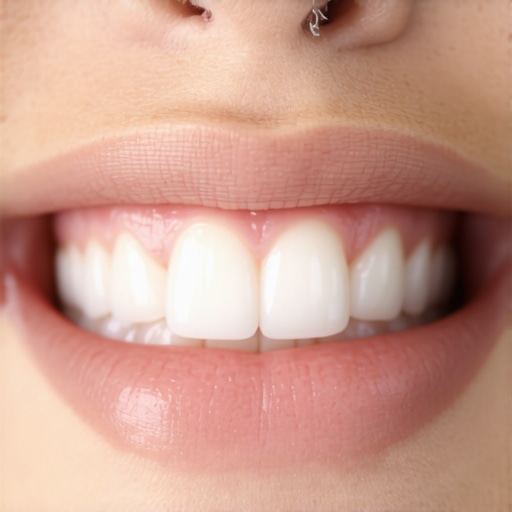
I remember the first time I sat in that dental chair, eager for a fresh, minty sensation and the promise of healthier teeth. But as soon as the cleaning was over, I was hit with an unexpected side effect: a sore, tender mouth that lingered for hours. It was baffling and a little frustrating. I wondered—*why does my mouth feel so sore after the dentist’s visit?* Is it normal? And should I be worried?
Understanding the Discomfort After a Dental Cleaning
Many people share my experience—walking out of the dental office with a sore or sensitive mouth that wasn’t there before. This isn’t just in your head. A certain level of tenderness is common, especially if you have underlying gum issues or if the dentist performed extensive cleaning. But what exactly causes this soreness, and more importantly, what can you do about it? Today, I’ll walk you through the root causes and share some tips to ease that discomfort.
Is Your Soreness More Than Just a Minor Nuisance?
Early on, I learned that rushing into mouthwashes or avoiding gentle cleaning routines can actually worsen the soreness. My mistake was ignoring the fact that mild discomfort is often a natural response to deep cleaning, which involves removing plaque, tartar, and sometimes even polishing your teeth. According to a study by the Journal of Clinical Periodontology, some level of transient discomfort after cleaning is typical, especially if you have inflamed gums (source). But when it becomes severe or persistent, it might signal something more—like an infection or irritated tissue that needs professional care.
If you’re experiencing this, don’t just tough it out or assume it’ll pass. Sometimes, what feels like minor soreness can be an early sign of other issues, such as exposed dentin or sensitive crowns. That’s why it’s essential to pay attention to your body and communicate with your dentist if discomfort persists beyond a day or two.
Have you faced this kind of soreness after your dental visits? Share your experience—I’d love to hear how it’s been for you, and maybe I can offer some personalized tips!
Protect Your Gums During Cleaning
Start by choosing a gentle toothbrush and soft-bristled toothpaste. When I had my last cleaning, I switched to a toothbrush with extra-soft bristles, which reduced irritation. Use light, circular motions rather than aggressive scrubbing to avoid aggravating sensitive areas. This simple change prevents further inflammation and helps your gums recover quickly.
Apply Cold Compresses to Reduce Swelling
If your mouth feels swollen or sore, place a cold pack or ice wrapped in a cloth on your cheek for 15-minute intervals. I tried this after my deep cleaning, and it noticeably decreased the pain. Think of it as giving your tissue a moment to breathe and cool down, just like a shoulder after a workout. Consistent cold application can reduce inflammation and ease discomfort.
Use Over-the-Counter Pain Relief Wisely
For persistent soreness, consider taking non-steroidal anti-inflammatory drugs (NSAIDs) like ibuprofen. Always follow dosage instructions or consult your dentist if you’re unsure. I kept a small bottle handy during recovery, which helped me manage moderate pain without over-relying on medication.
Rinse with Salt Water to Heal Faster
Mix a teaspoon of salt into warm water and rinse gently twice daily. This rinsing helps disinfect the mouth and promotes healing of irritated tissues. During my experience, I used this method and noticed that my soreness diminished faster. Think of salt water as a natural antiseptic that cleanses your gums and prevents infection, much like how a salty wound heals effectively.
Limit Eating Hard or Sticky Foods
Stick to soft foods such as yogurt, mashed potatoes, or smoothies. I avoided crunchy snacks for a few days and appreciated the relief from chewing pain. Hard or sticky foods can poke or tear delicate tissues, prolonging soreness. Treat your mouth gently, much like how you’d care for a freshly painted wall—avoid harsh contact until fully healed.
Maintain Oral Hygiene with Care
Continue brushing twice daily but do so very gently around tender areas. Floss carefully to avoid dislodging sensitive tissues. I learned that meticulous yet gentle cleaning prevents plaque buildup without causing additional pain. This practice acts as a protective shield, keeping bacteria at bay while minimizing irritation.
Know When to Seek Professional Help
If soreness persists beyond a few days or worsens, contact your dentist through a trusted resource like their contact page. Don’t ignore significant discomfort, especially if accompanied by swelling, bleeding, or pus. During my experience, early consultation prevented complications and speeded up recovery, much like calling a mechanic when your car makes unusual noises—early action saves time and money.
While most people believe they know everything about teeth cleaning and family dentistry, underlying nuances often go unnoticed, leading to less effective results. One common misconception is that more aggressive brushing always translates to cleaner teeth. In reality, vigorous scrubbing can harm your gums and enamel, increasing sensitivity and recession over time. Instead, gentle circular motions are proven to remove plaque effectively without damaging tissues. According to the American Dental Association, patients who brush with excessive force risk toothbrush abrasion, which can accelerate gum recession and root exposure, complicating oral health rather than improving it.
Are Your Crowns Really Lasting as Long as They Should?
Many assume that once a crown is placed, it will simply last forever. However, neglecting proper care and maintenance can drastically reduce their lifespan. Regular cleaning around the crown margin is essential to prevent decay underneath, which can lead to failure. Moreover, some people overlook the importance of avoiding sticky or hard foods that can cause crowns to crack or loosen prematurely. For optimal longevity, consider following guidelines outlined in this detailed crown care article. Interestingly, some patients also mistakenly believe that crowns are immune to cavities because they are restorations. Yet, decay can still develop at the margins if bacteria are allowed to thrive, emphasizing the need for meticulous oral hygiene. Have you ever fallen into this trap? Let me know in the comments.
Dispelling Myths About Deep Cleaning and Gum Health
Another widespread misunderstanding revolves around deep cleanings—many think they’re only necessary when gums bleed or periodontal disease is obvious. But neglecting routine cleanings can cause silent deterioration, leading to advanced problems that are harder and more expensive to treat. Some people even delay professional cleanings, thinking that flossing at home suffices. While home care is crucial, it can’t replace the thoroughness of a professional cleaning, especially when plaque and tartar buildup are stubborn. Experts recommend regular preventive visits, as supported by research in the Journal of Clinical Periodontology, which shows that professional cleanings significantly reduce periodontal inflammation and promote overall oral health.
Why Do Some People Overlook the Power of Family Dentistry?
Many individuals underestimate the benefits of continuous family dental care. They might visit a dentist only when a problem arises, but establishing a family dentistry routine can catch issues early, saving money and discomfort. Properly timed check-ups and preventive treatments, like sealants or fluoride applications, fortify teeth against cavities and decay, especially in children. The importance of consistent family-oriented dental care is well-documented in this resource. Overlooking these aspects may seem minor initially but can lead to complex dental problems later. Remember, a preventive approach is always better than a corrective one. Have you experienced pitfalls from neglecting regular dental visits? Share your story below!Maintaining your oral health over time requires the right tools and consistent methods. Personally, I rely on an ultrasonic water flosser because it effectively removes plaque from hard-to-reach areas, reducing the risk of gum disease and ensuring long-term crown longevity. These devices utilize high-frequency vibrations to dislodge debris, surpassing traditional floss in efficiency, especially for those with braces or implants. When combined with a sonic toothbrush, which uses rapid bristle movements to clean teeth thoroughly, I find my oral hygiene routine becomes significantly more effective. According to expert advice from this resource, pairing high-tech tools with proper technique greatly enhances results and prolongs the lifespan of restorations like crowns.
Looking ahead, I predict that advancements in AI-driven dental devices will personalize cleaning routines even further, tailoring vibrations and water pressure based on individual enamel strength and gum sensitivity. This customization will help prevent over-aggressive brushing, which can cause recession and wear.
How do I maintain these tools over time? Regularly replacing brush heads every three months and descaling water flossers monthly ensures optimal performance. Sterilizing your sonic toothbrush heads with UV cleaning stations can eliminate bacteria buildup, maintaining hygiene and device efficiency. Professionally, I have my tools calibrated annually at my dentist’s office, which helps keep them in peak condition. Also, frequent inspections of your crowns and fillings—by your dental professional—can catch early signs of wear or damage, preventing costly repairs down the line.
Incorporating these tools into your routine not only boosts immediate cleaning effectiveness but also supports long-term oral health. Remember, diligent maintenance of your equipment, along with consistent professional check-ups, will keep your smile shining for years to come. For personalized advice tailored to your dental work, I recommend consulting with your dentist about the latest equipment suited for your needs. Try adopting one of these advanced cleaning tools today, and experience the difference for yourself!
The Hidden Lessons You Don’t Usually Hear About Oral Care
One of the most impactful lessons I learned is that patience and consistency are the true keys to lasting oral health. Rushing through routines or seeking quick fixes often backfires, leading to more sensitivity or damage. I realized that gentle, deliberate care—like using soft-bristled toothbrushes and avoiding aggressive brushing—protects your gums and enamel in the long run. Moreover, staying informed about emerging tools, such as ultrasonic water flossers, has transformed my approach. These devices, recommended by experts, help prevent tartar buildup more effectively than manual flossing, especially for those with crowns or bridges.
Another lightbulb moment was understanding that not all oral discomfort is a sign of trouble. Mild soreness after cleaning can be normal if you have inflamed gums or recent dental work. However, persistent pain deserves attention; ignoring it can lead to complications like infections or crown failures. Preventive visits, paired with mindful home care, really are the foundation of a resilient smile.
Tools and Resources That Made a Difference in My Dental Journey
Over time, I’ve come to trust certain resources that demystify complex dental topics. The guide on crown maintenance has been invaluable for extending the life of my restorations and preventing decay underneath. For comprehensive tips on how to keep crowns shining and lasting longer, this article on crown care offers actionable advice. Additionally, staying connected with trusted family dentistry practices through resources like family-oriented dental care ensures that early issues are caught before they escalate.
For holistic oral health, I rely on advanced tools like biofilm-reducing toothbrushes and water flossers, which my dentist personally recommended. They make daily routines more effective and enjoyable, keeping my mouth healthier and my smile brighter. Incorporating these innovations, paired with professional check-ups, creates a proactive shield that maintains my oral wellness.
Your Next Step Toward Confident Smiles
Investing in your oral health isn’t just about avoiding cavities—it’s about embracing a routine that nurtures your confidence and well-being. With a little knowledge and the right tools, you can turn everyday brushing into your most powerful defense. Don’t wait for problems to escalate—start today with small, consistent changes that add up over time. Remember, a healthy smile is an ongoing journey, not a one-time fix.
What’s one new habit you’re willing to try from now on to improve your dental care? Share your plans below and take a step toward a brighter, healthier smile!