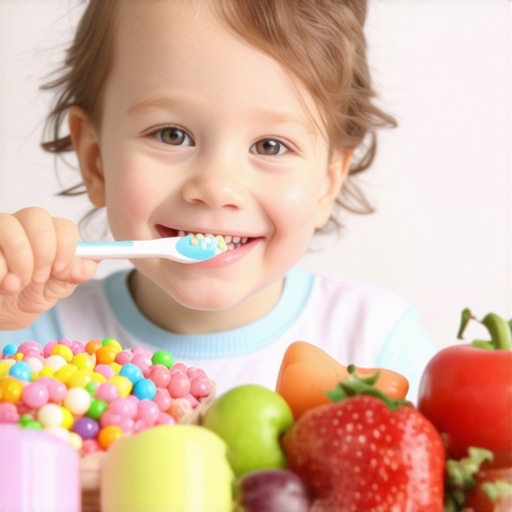
It was one of those mornings I won’t forget — my toddler’s face twisted in frustration as she spat out her toothpaste, her little eyes pleading, “No more, Mommy!”. That moment hit me hard. I realized how challenging it is to protect tiny teeth from cavities when sweets seem irresistible and toddlers are determined to resist brushing. I’ve been there, feeling overwhelmed and a bit helpless, wondering if I was doing enough.
Why Protecting Little Teeth From Cavities Is Critical Now
When my own child started craving candy and sugary snacks, I knew I had to act fast. Baby teeth may be temporary, but they play a vital role in guiding adult teeth and maintaining overall oral health. Cavities in toddlers can lead to pain, infections, and even interfere with speech and eating development. Plus, early dental problems can set the stage for lifelong oral health issues.
A common mistake I learned early on is thinking that a little sugar won’t hurt if my child brushes afterward. Unfortunately, that’s not always enough, especially if brushing isn’t thorough or if sugar sticks around in hard-to-reach spots. Did you know that even sugar-free candies can promote decay if proper oral hygiene isn’t maintained? Experts emphasize that prevention is much easier — and less painful — than dealing with cavities later. For practical tips tailored to your busy family life, check out our teeth cleaning secrets for families.
Is It Really Possible to Keep Sweets from Winning?
Early on, I also made the mistake of allowing too many treats without setting clear boundaries. Over time, I learned that moderation is key, and that empowering my child with good oral habits from the start makes the biggest difference. It’s not about banning all sweets — it’s about creating a balanced approach and reinforcing daily routines that support dental wellness. Ready to turn this challenge into a manageable plan? Let’s explore effective strategies together, starting with understanding how sugar impacts tiny teeth and what simple measures can make a big difference.
Start with a Consistent Oral Hygiene Routine
Establish a daily routine that includes brushing twice a day with a fluoride toothpaste, ensuring your toddler reaches all tooth surfaces. I remember waking up early one morning and gently guiding my toddler through a two-minute brushing session, focusing on each tooth surface. Using a soft-bristled toothbrush suitable for small mouths makes cleaning less uncomfortable and more effective. Incorporate fun elements, like singing a song, to make it engaging, and soon it became a non-negotiable part of our day.
Implement Effective Brushing Techniques
Hold the toothbrush at a 45-degree angle to the gums and use gentle, circular motions. Avoid harsh scrubbing, which can damage delicate gum tissues and enamel. When my child started resisting, I gently demonstrated the technique myself, narrating each step to instill good habits. Regularly replacing the toothbrush every three months or sooner if bristles fray ensures optimal cleaning. Remember, a worn-out brush can be less effective, like trying to scrub with a worn sponge.
Limit and Manage Sugar Intake
Set clear boundaries around sweets, offering treats only at certain times or occasions. I implemented a ‘dessert after dinner’ rule, which reduced constant sugar exposure. When givings snacks, choose healthier options like cheese or crunchy vegetables that help clean teeth naturally. Avoid prolonged snacking on sugary foods, as staying consistent with meal and snack times limits sugar’s contact with tiny teeth. Think of sugar as dirt; the less contact, the cleaner the teeth stay.
Use Reassuring, Age-Appropriate Dental Products
Select toothpaste formulated for toddlers, free from harsh abrasives and fluoride concentrations suitable for young children. I found that using a small smear of fluoride toothpaste made my child more receptive to brushing because it tasted better and felt safer. Additionally, consider using a moisture-free, bite-sized toothbrush or finger brush, which I used initially, adapting as my child’s skills improved. This approach makes cleaning less intimidating and more of a shared activity.
Introduce Flossing as Soon as Teeth Touch
Begin flossing when your child’s teeth start to touch, removing plaque from between teeth where brushes can’t reach. I remember struggling to floss my toddler’s molars, but I made it a game, using colorful floss picks, which turned the task into a fun challenge. Regular flossing prevents cavities between teeth, which can quickly turn into bigger issues if left uncleaned. Think of flossing as sweeping the crumbs from a hard-to-reach corner—preventing buildup before problems start.
Encourage Routine Dental Visits
Schedule your child’s first dental appointment by their first birthday or when their teeth erupt. At our initial visit, the dentist gently examined my child’s mouth, providing personalized tips for ongoing care. Regular check-ups help catch early signs of decay and reinforce good habits. Treat visits as a positive experience, so your child associates dental care with comfort, not fear. Remember, early visits lay the groundwork for lifelong oral health.
Model Good Behaviors and Create a Routine
Children imitate their parents, so maintain good oral hygiene practices yourself. I made a point to brush and floss in front of my child, explaining why I do it. Consistency and routine help establish habits; brushing morning and night became a family event. Using a visual chart or reward system can motivate compliance. Small steps, like rinsing after brushing, also reinforce comprehensive oral care. Think of your own habits as a blueprint for your child’s future smile security.
Many patients assume that family dentistry is just about routine cleanings or filling cavities, but the reality is far more complex. A common myth is that once you’ve maintained good oral hygiene, your dental health requires no further attention. In my experience, this oversimplification overlooks the subtle nuances that can make or break long-term oral health. For instance, the importance of understanding how dental crowns function in overall protection extends beyond their cosmetic appeal; they’re integral to maintaining bite function and preventing adjacent tooth decay.
One mistake I regularly see is underestimating the hidden risks associated with teeth cleaning procedures. While cleaning is routine, improper technique or neglecting to evaluate periodontal health can lead to overlooked issues. Regular cleanings actually play a crucial role in detecting early signs of gum disease, which, if ignored, can cause tooth loss and even impact systemic health.
It’s also essential to recognize that crowns are not invincible. Many assume that once placed, crowns can last indefinitely, but factors such as poor oral hygiene or biting habits can compromise their longevity. Proper maintenance, including avoiding hard foods and using specific care routines as outlined in our crown care tips, is essential.
What might surprise even seasoned patients is that certain advanced mistakes—like DIY repairs of crowns or neglecting the signs of wear—can cause more harm than good. A subtle crack or looseness isn’t just a minor inconvenience; it can be a precursor to infection or failure, highlighting the importance of professional assessments.
From a deeper perspective, understanding the potential pitfalls of misapplying teeth whitening agents without professional guidance highlights the significance of expert supervision. Over-the-counter bleaching products, if misused, can lead to increased sensitivity or damage to existing restorations. Consulting your dentist about safe whitening options can prevent these issues and preserve your restorations’ integrity.
In my practice, I emphasize that an advanced understanding of the interplay between various oral health components is vital. For example, improper flossing techniques not only fail to remove plaque effectively but can injure gums, leading to recession or bleeding. Learning and applying correct methods, such as using appropriate floss types and angles, saves you from common mishaps.
To sum up, the key to mastering personal dental care lies in recognizing that many common beliefs are oversimplifications or misconceptions. Staying informed about the nuances, potential traps, and advanced considerations—like the importance of maintenance for crowns or periodontal health—can make a significant difference. For a comprehensive grasp of how crowns, teeth cleaning, and family dentistry intertwine, I recommend reviewing our expert advice.
Have you ever fallen into this trap? Let me know in the comments.
Keep It Working: Essential Tools I Recommend for Long-Term Oral Health
Maintaining a radiant, healthy smile requires more than just daily brushing and flossing. My approach involves leveraging specific tools and techniques that have proven effective over years of practice. For instance, I personally swear by using a sonic toothbrush with a timer feature, like the Philips Sonicare, because its superior plaque removal and gum stimulation help prevent periodontal issues. Additionally, I incorporate interdental brushes tailored to the size of my patient’s gaps, which are more effective than traditional floss in cleaning between teeth, especially for those with crowns or bridges.
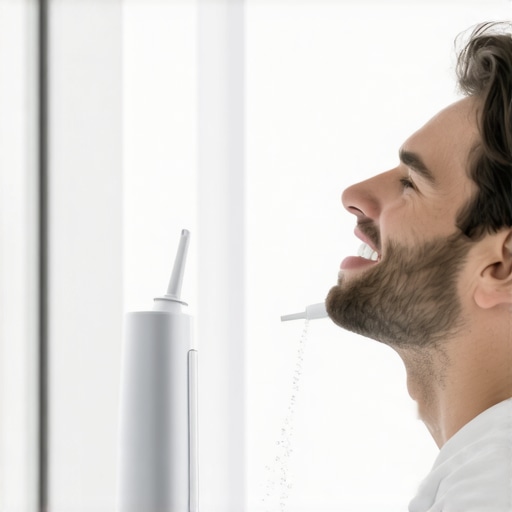
Electric water flossers, such as Waterpik models, have also become my go-to recommendation. They ensure that hard-to-reach areas are cleaned thoroughly, reducing the risk of decay beneath restorations. I advise patients to use them daily, especially those with crowns or braces, since they’re gentle yet effective. For long-term results, pairing these tools with proper technique is crucial—remember, even the best device won’t help if misused. Regular professional cleanings, combined with these home routines, significantly lower the likelihood of future dental problems and extend the longevity of restorations like crowns.
Looking ahead, I predict that advances in smart dental devices—integrating AI to provide real-time feedback on brushing technique—will revolutionize home oral care. Imagine a toothbrush that guides you through the optimal pressure and movement to maximize plaque removal while protecting gums. Such innovation will make maintaining oral health easier and more personalized, potentially reducing the need for frequent visits. To stay ahead, I recommend incorporating tools like smart toothbrushes now, which already provide these features and can sync with your phone for tracking progress.
How do I maintain my crowns and veneers over time?
Proper maintenance of crowns and veneers involves a combination of diligent home care and regular professional check-ups. Using specialized brushes and avoiding abrasive toothpaste can prevent unnecessary wear. I always emphasize the importance of avoiding hard foods that can crack or dislodge restorations and recommend periodic evaluations with your dentist, which are essential for catching early signs of wear or decay beneath the restorations. For detailed guidance, consult our crowning routines.
Integrating these advanced tools and habits into your daily routine ensures your smile remains healthy, confident, and functional for years to come. Don’t hesitate to try a water flosser or upgrade to a smart toothbrush—your future self will thank you! For more tailored advice, schedule a consultation through our contact page.
Lessons Even Experts Wish They Knew About Family Dentistry and Oral Hygiene
One of the most eye-opening realizations I had was how small tweaks in daily routines can dramatically impact long-term dental health. For instance, switching from traditional floss to interdental brushes made a remarkable difference in preventing decay between my child’s teeth. Additionally, I understood that not all mouthwashes are created equal; selecting gentle, fluoride-rich options supports both cavity prevention and gum health without overwhelming sensitive tissues. These insights came after countless hours consulting with specialists and observing small changes turn into big results.
Another revelation was the importance of early education. Teaching kids about proper brushing and flossing not only makes it easier to maintain their oral health but also instills lifelong habits rooted in confidence and self-care. I also discovered that regular dental visits serve as preventive check-ins, allowing professionals to catch issues like crown wear or minor gum inflammation before they become costly problems. Recognizing these nuances has empowered me to be proactive, transforming how I approach family dentistry every day.
Lastly, I learned that understanding the mechanics of crowns—how they function and what jeopardizes their longevity—can save lives and money. Knowing that avoiding hard foods and using specific cleaning techniques extends their lifespan was a game-changer. It’s evident that the devil is in the details—small daily decisions and awareness can make your smile resilient for decades to come. If you want deeper insights, I recommend exploring how crowns contribute to a confident smile.
My Toolkit for Long-Lasting Dental Happiness
Over the years, I’ve curated a set of trusted tools that elevate my family’s oral health routine. The Philips Sonicare electric toothbrush, for example, offers superior plaque removal and gentle gum stimulation, which is essential for those with sensitive receding gums. Interdental brushes are invaluable for cleaning around crowns and braces, ensuring no plaque hides in the tiniest spaces. Water flossers like Waterpik have transformed my approach to daily cleaning—handy, effective, and safe for crowns and bridges alike.
In addition, I rely on educational resources such as teeth cleaning tips for busy families to stay informed about emerging best practices. And if you’re contemplating advanced tools, smart toothbrushes with AI feedback are on the horizon—embrace technology to boost your routine and keep smiles shining brighter. These tools, combined with regular dental visits, form the backbone of my strategy for sustaining healthy, beautiful family smiles.
To ensure your tools stay effective, choosing trustworthy brands and maintaining a disciplined schedule are non-negotiable. Remember, investing in quality represents a long-term savings—healthier teeth mean fewer visits and less stress down the line. Want to explore more about maintenance routines? Check out best practices for crown care.
Your Turn to Brighten Your Family’s Future
Every success story starts with a single step—whether it’s teaching your children proper brushing habits or investing in the right tools to protect crowns. The journey toward optimal oral health isn’t about perfection but persistence and informed choices. By focusing on small yet impactful actions, you can create a ripple effect that benefits your entire family’s well-being. Remember, your proactive efforts today pave the way for healthier, happier smiles tomorrow.
What’s one new habit you’re excited to try or improve upon in your family’s dental routine? Share your thoughts below—I’d love to hear your plans and experiences!