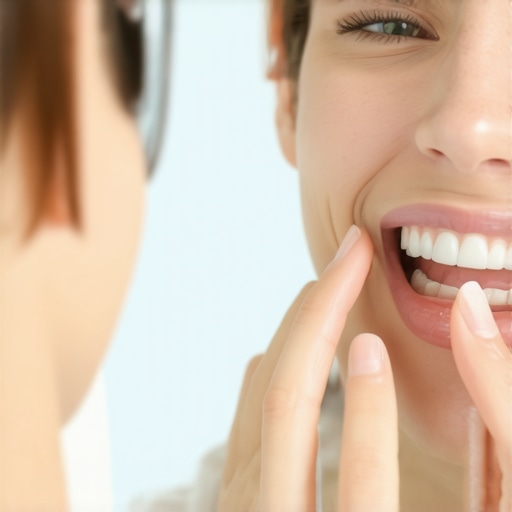
It happened during my morning routine—yet another hurried brush, and suddenly, I felt that unsettling wiggle in one of my adult teeth. For years, I thought loose teeth were only a concern for kids, but there I was, face in the mirror, realizing I might be in uncharted territory. That lightbulb moment made me wonder: how many adults actually know what to do when they notice a loose tooth?
I’m here to tell you, you’re not alone, and more importantly, there’s a way to handle this situation with calm and confidence. Today, we’ll explore practical steps to keep your smile intact and when to seek professional help. Because, trust me, ignoring it or messing around without proper knowledge can lead to bigger problems—like infections or tooth loss.
Why Dealing with a Loose Tooth Is More Than Just a Nuisance
A loose tooth in adulthood isn’t just about feeling a bit awkward at dinner; it can signal underlying health issues ranging from gum disease to bone loss. Studies show that periodontal disease affects nearly 50% of adults over 30, often silently progressing without noticeable symptoms until a tooth starts wiggling. This makes understanding how to manage a loose tooth critical for preserving your overall oral health.
Starting with the basics—knowing what is normal and what isn’t—can save you from unnecessary panic. I made the mistake early on of trying to
Assess the Situation Immediately
When you notice a loose tooth, first determine how mobile it is. Gently try to wiggle it with clean fingers—if it moves easily, avoid poking or forcing it, as this can cause further damage. Remember, a loose tooth in adulthood can signal underlying issues like gum disease, so treat this as a warning sign.
Maintain Excellent Oral Hygiene
Thorough cleaning is essential to prevent infection. Use a soft-bristled toothbrush and gentle motions—think of it as painting a delicate picture without smudging the colors. Pay extra attention to the surrounding gums, removing plaque and debris that could worsen your condition. Regular flossing can help keep the area clean, but avoid forcing floss around the loose tooth.
Avoid Using the Tooth
Resist the temptation to chew on that side or bite into hard foods. Consider soft foods like yogurt, smoothies, or mashed potatoes—they’re easy on your gums and won’t disturb the tooth. I recall a moment when I switched to soups and soft bread during a similar episode; the relief was immediate and prevented worsening.
Use Rinses to Reduce Inflammation
Rinse with warm salt water several times a day. This acts like a natural antiseptic, akin to clearing away debris in a workshop before glueing parts together. Dissolve half a teaspoon of salt in a glass of warm water and swish for 30 seconds. This simple step cuts down bacteria and promotes healing.
Apply Gentle Pressure if Necessary
If the tooth is extremely loose and causing pain, you can try to stabilize it temporarily. Place a clean, damp cloth or gauze around the tooth to prevent excessive movement. Use light pressure—not pushing or pulling—similar to holding a fragile crystal without applying force. This can minimize further damage until professional care is sought.
Seek Professional Dental Advice Promptly
As soon as possible, schedule an appointment with a dentist—preferably a periodontist if gum health is a concern. Do not attempt to reattach or force the tooth into place yourself; instead, gently store the tooth in a container of milk or saliva if you can, as this preserves the root for potential reimplantation. For more insights on how crowns can support dental health, visit this guide.
Prepare for Professional Treatment
Your dentist will evaluate the cause of the looseness—be it periodontal disease, trauma, or other factors. They might perform deep cleaning or recommend a crown or other restorative solutions. Understanding the role of crowns in dental health can boost your confidence in treatment options—see this article for detailed info.
Prevent Future Incidents
To reduce the risk of loose teeth recurring, maintain regular checkups, practice diligent cleaning, and avoid habits like teeth grinding or aggressive flossing. Incorporating daily oral health routines, as outlined here, strengthens your gums and bones, making your teeth more resilient.
When it comes to maintaining optimal oral health, many people cling to misconceptions that could inadvertently harm their teeth and gums. For instance, a widespread belief is that brushing harder cleans better. However, this aggressive approach can wear down enamel and irritate gums, leading to sensitivity and recession. Experts from the American Dental Association emphasize gentle, circular brushing motions for effective cleaning without damage. For advanced insights into how brushing technique impacts longevity, see caring for crowns. Another common myth is that flossing isn’t necessary if you brush well. Critics often claim that flossing causes more bleeding and wear, but in truth, flossing reaches areas brushing misses, removing plaque between teeth where decay and gum disease often start. Regular flossing is crucial, and improper technique, not flossing itself, is usually the culprit behind bleeding. Curious about proper flossing methods? Check out teeth cleaning secrets. Plus, many think that dental visits are only needed when there’s pain or decay. But routine family dentistry catches issues early—preventing costly and invasive treatments later. Developing a habit of regular checkups aligns with the philosophy explained here. Now, let’s address a nuanced question that confounds many: *Are all dental crowns equally resilient, or does material choice make a difference?* This is where many misjudge, believing all crowns last the same. In reality, material composition significantly affects durability, appearance, and even how they interact with surrounding tissue. According to crown experts, zirconia crowns tend to offer higher longevity and stronger resistance to fractures, especially for back molars subjected to heavy chewing. Yet, some mistakenly opt for cheaper porcelain veneers, unaware of their limited durability in high-stress areas. The takeaway? Not every crown suits every situation. Consulting with a specialist can reveal the best option tailored to your needs, ensuring your investment lasts. An often-overlooked detail is the importance of maintenance—care doesn’t end after placement. Proper cleaning, regular checkups, and avoiding harmful habits like nail-biting or teeth grinding can preserve your crown and prevent replacement costs. For comprehensive guidance, explore maintenance tips. Have you ever fallen into this trap? Let me know in the comments.When it comes to maintaining your dental work and overall oral health, having the right tools and a consistent routine can make all the difference. Personally, I rely on a high-quality electric toothbrush, like the Philips Sonicare DiamondClean, because its sonic technology offers gentle yet thorough cleaning, which is especially beneficial for crowns and sensitive gums. Pairing this with a water flosser, such as the Waterpik Aquarius, allows me to reach those tricky spots between teeth and around restorations—something manual flossing often misses.
How do I maintain my dental tools over time?
Proper maintenance extends the lifespan of your dental devices. For electric brushes, rinse the brush head thoroughly after each use and replace it every three months or sooner if bristle wear is visible, as recommended by the manufacturer and supported by dental experts from the teeth cleaning tips. Water flossers should be disassembled periodically, cleaned with mild soap, and the detachable tip replaced every six months to prevent bacterial buildup. Using distilled or filtered water in water flossers minimizes mineral deposits and mold growth, ensuring longevity and hygiene.
Long-term results depend on consistent care—not just quick fixes. Scheduling regular professional cleanings, typically every six months, coupled with daily maintenance, preserves the integrity of crowns and prevents periodontal issues. I make it a point to follow up my daily routines with visits to my trusted dental provider, who checks for early signs of wear or decay—this proactive approach saves me from costly repairs down the line. For additional insights, see maintaining your dental crowns.
The trend in dental maintenance is leaning toward smart, connected devices. Future innovations include app-integrated toothbrushes that monitor brushing habits and provide real-time feedback, helping you optimize your technique consistently. I predict that within the next few years, integrating AI-driven diagnostics into home dental care will become a standard, enabling early detection of issues like bone loss or emerging decay, ultimately making long-term oral health management more accessible and personalized.
Looking to get ahead? Try setting a schedule to replace your toothbrush and water flosser tips regularly, and explore a smart toothbrush that syncs with your phone. These small steps, combined with disciplined routines, can significantly enhance your smile’s lifespan. Remember, proactive maintenance isn’t just about avoiding discomfort—it’s about investing in your health for years to come.
Lessons That Changed My Approach to Oral Health
One of the toughest lessons I learned was that not all loose teeth mean disaster; sometimes, they signal early-stage gum issues that, if caught in time, are reversible. I used to panic, thinking a loose adult tooth warranted immediate extraction, but now I realize gentle assessment and prompt professional advice can save the day.
Another insight was discovering how misconceptions, like brushing harder to clean better, can actually weaken enamel and harm gums. Consistent, gentle cleaning coupled with smart tools makes a substantial difference. These revelations have transformed my daily routine from reactive to proactive, ensuring my smile stays resilient for years to come.
Most importantly, I learned the value of building a relationship with a trustworthy dental professional. Regular checkups and open communication help identify issues before they escalate. This ongoing partnership provides peace of mind and tailored advice, especially when managing concerns like loose teeth or crown longevity.
Tools and Resources That Truly Boost My Confidence
- Electric Toothbrushes like Philips Sonicare: Their sonic technology ensures thorough cleaning without abrasive scrubbing, which protects crowns and sensitive gums. I trust them because maintenance is simple, and they remind me to replace heads regularly for optimal performance.
- Water Flossers such as Waterpik Aquarius: Reaching tricky spots between teeth with ease, they help prevent plaque buildup around crowns and braces. The ease of cleaning these high-traffic areas has significantly improved my gum health.
- Guides on Crown Maintenance: Articles like this resource provide practical tips that I incorporate into my routine, extending the lifespan of my restorations.
- Routine Dental Checkups: Regular professional cleanings, as suggested here, help catch early signs of issues, saving money and nerves long-term.
Own Your Smile: Why Transformation Starts Today
Remember, your dental health is a vital part of your overall well-being. Every small step—mindful cleaning, regular visits, and informed choices—builds a foundation for a resilient, confident smile. Take charge now, explore the tools and tips shared, and don’t wait for a dental crisis to act. Your future self will thank you for prioritizing your oral health today.
What has been your biggest lesson in managing adult dental concerns? Share your story below—I’d love to hear how you’re taking control of your smile!
,