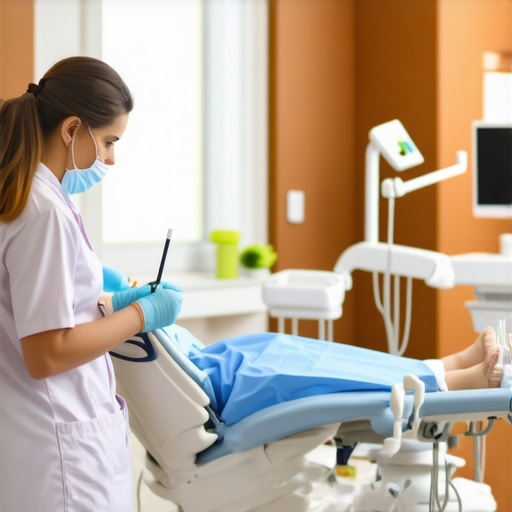
It was the look in my dentist’s eyes that finally made me realize I couldn’t keep avoiding regular cleanings. The gag reflex, the sweaty palms, the racing heart — every visit felt like an ordeal I was doomed to repeat. One day, during my check-up, I nearly canceled again. But something changed that day—I decided I was done letting fear run my dental visits.
If you’ve ever sat in that chair feeling more anxious than relaxed, you’re not alone. Dental anxiety is more common than you might think, and it can keep us from maintaining our oral health properly. Chronic avoidance can lead to gum disease, cavities, and even more complex issues like crowns or root canals that could have been prevented with timely care.
Today, I want to share with you a way to break that cycle. We’ll explore practical, proven methods to manage and even overcome dental anxiety so you can face your next cleaning with confidence. Trust me; it’s worth it.
Why Tackling Dental Anxiety Right Now Is Critical
Our mouths are gateways to our overall health. Skipping regular cleanings can lead to more serious health problems down the line, including strokes and heart disease, as recent studies reveal a surprising link between gum health and cardiovascular health. Regular visits don’t just keep your smile shining—they can save your life.
But here’s the kicker: many of us delay or skip dental appointments because of fear or discomfort. This avoidance creates a vicious cycle: anxiety fuels avoidance, which leads to poorer oral health, which then increases the chance of needing invasive procedures, escalating the fear.
I’ve learned that addressing this anxiety isn’t just about comfort; it’s about safeguarding my health and self-esteem. So, what’s stopping you from making that appointment? Or, if you’ve already scheduled it, are you feeling that familiar wave of dread creeping in?
Recognizing this is the first step. And don’t worry—there are simple, effective ways to lessen that anxiety and take back control of your dental health. Let’s dive into some tried-and-true techniques that can make your next cleaning feel a lot less intimidating.
Is Your Fear of the Dentist Overhyped?
I used to think that my fears were unique or exaggerated. Turns out, I was making a common mistake—believing that my anxiety was just something I had to live with. Early in my journey, I ignored the importance of relaxation techniques, which made each visit worse. Eventually, I discovered that small changes could yield big results, like practicing deep breathing or discussing my fears with my dentist beforehand. You might find, as I did, that understanding your fears and addressing them head-on makes all the difference.
To learn more about maintaining your oral health routine and strengthening your smile daily, check out [this comprehensive guide](https://periodontistcare.com/oral-health-routine-strengthening-your-smile-every-day). If you’re ready to face your fears, consider reaching out to a professional who specializes in helping anxious patients—many are just a phone call away [here](https://periodontistcare.com/contact-us).
Now that we’ve set the stage for understanding why managing dental anxiety is so vital, let’s look at concrete steps you can take to make your next visit a positive experience.
Start with Small, Manageable Goals
My first real breakthrough was setting tiny, achievable objectives before each dental visit. Instead of thinking about the entire appointment, I focused on just arriving at the clinic or sitting in the waiting room for five minutes. Once I succeeded, I celebrated that milestone. This approach reduced my sense of being overwhelmed and built my confidence gradually. You can do this too by breaking down the process into segments—such as booking the appointment, planning your journey, or simply taking deep breaths before entering the clinic.
Avoid Surprises with Clear Communication
When I informed my dentist about my fears, everything changed. They explained every step of the procedure in plain language and checked in with me frequently. This transparency made the process less intimidating, as I knew what to expect and felt more in control. Before your appointment, consider calling your dental provider via their contact page and asking specific questions about what will happen. Sharing your anxieties upfront can lead to tailored care that respects your comfort.
Use Relaxation Techniques During Appointments
Incorporating techniques like deep breathing or progressive muscle relaxation can significantly ease discomfort. I remember once trying to breathe slowly and deeply through my nose while counting to four each inhale and exhale. It distracted my mind from the procedure and eased my tension. Practice these techniques regularly, even outside dental visits, to make them more effective when needed. For detailed guidance, see this resource on daily oral health routines.
Bring Comfort Items and Support
Carrying a comforting object like a small stress ball or an essential oil sachet helped me focus on something calming during the appointment. Some clinics even allow a trusted friend or family member to accompany you. Their presence can offer emotional support, making the experience less isolating. Discuss this with your dental office beforehand because policies vary. This step is particularly effective if your anxiety is tied to feeling vulnerable.
Practice Consistent Oral Hygiene at Home
Maintaining a regular at-home routine fortifies your oral health and reduces the need for invasive procedures, making future visits less stressful. Regular brushing, flossing, and using mouthwash keep plaque and tartar at bay, preventing cavities and gum disease. Think of your daily routine as building a protective shield around your teeth—less plaque buildup means less chance of painful surprises at the dentist. For specific tips, explore these effective home practices.
Seek Professional Help for Persistent Anxiety
If your fear feels overwhelming despite these steps, consider consulting a mental health professional who specializes in anxiety management. Techniques like cognitive-behavioral therapy (CBT) can reframe negative thoughts related to dental care. A psychologist or therapist can equip you with coping strategies tailored to your needs, making future dental visits more manageable. Don’t hesitate to reach out through this contact page to find experts in your area. Overcoming deep-seated fears isn’t quick, but consistent effort and support can lead to lasting relief.
Many people assume that regular teeth cleaning is a simple matter of brushing and flossing, but the reality is much more nuanced. A common mistake is undervaluing the importance of professional cleanings in preventing periodontal disease, which can silently progress even with diligent home care. According to research published in the Journal of Periodontology, professional cleanings remove calculus buildup that cannot be eliminated by brushing alone, significantly impacting oral health. Overestimating the effectiveness of over-the-counter whitening products is another mistake; they often contain abrasives that can erode enamel if misused, and their results are typically minimal compared to professional treatments. When it comes to family dentistry, many believe that once set, routine dental visits aren’t necessary until there’s an obvious problem. However, early detection through regular assessments can prevent minor issues from escalating, saving you discomfort and costs in the long run. Regarding crowns, a prevalent myth is that they are permanent solutions. In fact, crowns require proper maintenance, and neglect can lead to issues like decay or recurrent infections beneath the restoration, jeopardizing both the tooth and the crown’s longevity. Make sure to follow recommended care routines, and consult your dentist regularly for check-ups. Have you ever fallen into this trap? Let me know in the comments.
Why do some teeth restorations fail unexpectedly despite proper care?
Advanced factors such as marginal seal deterioration, subjected to various stresses, can be a hidden cause. A study from the American Dental Association highlights that micro-leakage at the crown margins can lead to decay and failure, even in well-maintained cases. Being aware of these subtleties emphasizes the importance of choosing skilled clinicians and following specific maintenance guidelines. For comprehensive advice on prolonging the life of your crowns and ensuring optimal oral health, visit [this expert guide](https://periodontistcare.com/expert-advice-on-crowns-and-teeth-cleaning-for-lasting-results). Recognizing these misconceptions helps prevent unnecessary panic and encourages proactive, informed dental care—an essential part of a healthy smile.Maintaining your oral health and the longevity of dental restorations like crowns requires more than just basic hygiene routines. Investing in the right tools and understanding advanced methods can make a significant difference. For instance, I personally swear by an ultrasonic scaler with a micro-probe attachment, which effectively removes plaque and tartar around crowns and bridges without risking damage. This non-invasive device uses high-frequency sound waves to achieve a thorough clean, especially in hard-to-reach areas. Unlike manual tools, ultrasonic scalers help prevent micro-leakage at crown margins, a common cause of restoration failure, as highlighted by the American Dental Association.
Another essential tool I recommend is a water flosser equipped with adjustablePressure and multiple tip options. It’s been transformative in reducing inflammation and preventing periodontal issues around dental work. The pulsating water not only dislodges debris more efficiently than traditional floss but also reaches awkward angles, ensuring comprehensive cleaning.
Software-wise, I utilize AI-driven oral health management platforms like Dental Monitoring which facilitate remote check-ins and track changes in gum health over time. These platforms can alert you to early signs of inflammation or decay before symptoms become noticeable, enabling proactive care.
Looking ahead, the trend leans toward integrating smart devices with real-time data collection to personalize maintenance routines further. Imagine a toothbrush that monitors brushing patterns and suggests adjustments automatically—this level of precision could revolutionize long-term dental care.
How do I maintain my crowns and restorations over time?
Consistent, targeted cleanings with specialized tools are vital. Regular professional check-ups, at least twice a year, combined with diligent home care, preserve the integrity of your dental work. Using a soft-bristled electric toothbrush alongside a water flosser ensures debris doesn’t accumulate around the margins, preventing micro-leakage and decay.
For detailed guidance on caring for crowns and other restorations, visit this expert guide. Remember, equipment alone isn’t enough; knowing how and when to use them is key. Be sure to also consider your diet—limiting sugary foods and beverages minimizes bacteria buildup that can compromise restorations.
Incorporate these tools into your routine, and you’ll effectively extend the lifespan of your dental work. Don’t hesitate to discuss new devices with your dentist during your next visit. Trying out an ultrasonic scaler or a high-quality water flosser could be your first step toward smarter, more effective dental maintenance—try them and see the impact firsthand!
What I Learned the Hard Way About Protecting My Smile
One of the most valuable lessons I discovered was that consistency truly beats intensity. Jumpstarting my oral health routine with small, manageable steps made a significant difference in my confidence and overall health. I realized that neglecting regular cleanings due to fear only compounded my worries, creating a cycle that was hard to break.
Another insight was understanding that proactive communication with my dentist turns fear into empowerment. When I voiced my anxieties and asked questions, I gained clarity and control, transforming the dental chair from a place of dread to a sanctuary for care.
Additionally, I discovered the immense value of investing in high-quality tools and personalized preventive strategies. Tailored at-home routines, combined with modern technology like ultrasonic scalers, helped me maintain my restorations and avoid costly procedures. This proactive approach isn’t just about maintaining shiny teeth; it’s about safeguarding my health and peace of mind.
Tools and Resources That Elevated My Dental Journey
For those looking to take charge of their oral health, I highly recommend exploring this comprehensive guide, which offers actionable tips for strengthening your smile daily. Investing in a quality water flosser, such as the Waterpik, has made thorough cleaning easier and more effective, especially around crowns and bridges. Additionally, consulting with a dental professional about modern tools like ultrasonic scalers can be a game-changer—I’ve found they significantly reduce plaque buildup and extend the longevity of dental restorations.
For understanding complex topics like crowns and long-term maintenance, the detailed insights found in this expert resource have been invaluable in my journey toward healthier teeth.
Embrace Your Power to Transform Your Dental Future
Remember, every step you take toward better dental habits and fear management is a step toward a lifetime of confident smiles. Whether you leverage advanced tools, seek expert advice, or simply start with small daily acts, your efforts will pave the way for a brighter, healthier future. I encourage you to face those dental appointments with renewed courage—your smile deserves it.
What’s been your biggest hurdle in maintaining regular dental care? Share your story below—I’d love to hear how you’re overcoming it!