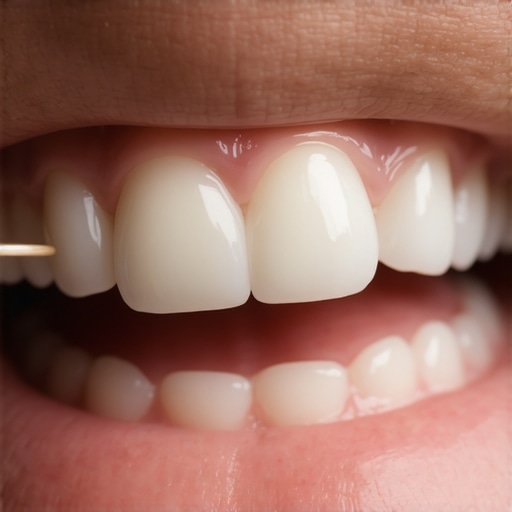
It was a harsh morning when I realized I had been unknowingly damaging my gums. I was hunched over the sink, desperately trying to remove stubborn food particles from between my teeth with a toothpick, oblivious to the tiny bleeding spots forming along my gum line. That lightbulb moment hit me hard—using a toothpick for gum cleaning isn’t just ineffective; it can actually cause serious harm.
The Hidden Dangers of Toothpicks for Your Gums
Many of us resort to toothpicks because they’re quick and seem harmless. But beneath that simple stick lies a risk. I learned that improper use of toothpicks can lead to gum recession, damage to the delicate tissue, and even holes in the gum line—all of which increase susceptibility to infections and, over time, can cause permanent damage. An article in the Journal of Periodontology highlights that aggressive or improper gum cleaning methods can accelerate tissue destruction, contradicting common misconceptions that more scraping means better cleaning.
Have you ever felt like your gums are bleeding or sore after using a toothpick? If so, you’re not alone. I used to think that being aggressive was the only way to keep my mouth clean, but I was actually doing more harm than good.
The good news is, there’s a better way. Today, we’ll explore safe, effective techniques that protect your gums and improve your oral health—without risking damage from toothpicks. Whether you’re dealing with stubborn food particles or just want to maintain healthy gums, understanding proper care can make all the difference. Ready to change your routine for good? Let’s dive into why traditional toothpick use might be hurting your smile and learn healthier strategies together.
Choose the Right Tool for Your Gums
Instead of relying on toothpicks, opt for floss or interdental brushes. Flossing is like using a tailored thread to gently pull out debris between teeth, much like threading a needle—it fits better and causes less harm. That day, I grabbed a waxed dental floss and slid it between my teeth, gently curving it around each tooth. The result? No bleeding, just cleaner teeth and healthier gums.
Master the Correct Flossing Technique
Hold the floss taut and gently slide it beneath the gum line, making a C-shape around each tooth. Think of it as planting a tiny flag to clean all sides. Be gentle—forced flossing can injure delicate tissue, like scratching a sore spot. I once tried to floss aggressively to save time, and my gums paid the price with soreness. Now, I take my time and focus on gentle movement, which improves my gum health over time.
Incorporate Proper Brushing Habits
Use a soft-bristled toothbrush and replace it every three months. Brush at a 45-degree angle to the gum line, using gentle circular motions—like polishing a precious gemstone. During my last professional cleaning, I learned that aggressive brushing can erode gums, similar to how abrasive materials wear down soft fabrics. A daily routine with gentle brushing preserves my tissue integrity and prevents recession.
Schedule Regular Professional Cleanings
Visit your dentist or hygienist every six months for a thorough cleaning. These visits are essential—they’re like routine maintenance on a car, preventing small issues from becoming costly repairs. I once missed my biannual appointment, and plaque buildup became evident, leading to discomfort. Now, I schedule my visits in advance and stick to the routine, ensuring my gums stay resilient.
Stay Mindful of Your Diet and Habits
Avoid sugary snacks and acidic drinks that weaken enamel and inflame gums. Incorporate crunchy fruits and vegetables—they act like natural toothbrushes, helping to cleanse surfaces. After a week of cutting back on sweets and eating more celery and carrots, I noticed my gums felt firmer, and bleeding incidents decreased. Good oral habits are like investing in your smile’s future, much like strengthening your home’s foundation.
Adopt a Holistic Oral Health Routine
Integrate mouth rinses, healthy eating, and proper hydration. Rinsing with an antibacterial solution adds a layer of protection, similar to applying a sealant. Keep your mouth moist to prevent dry tissue—think of saliva as nature’s mouthwash, washing away bacteria and soothing tissues. I include a fluoride rinse after brushing, and my gums have responded positively, feeling less sensitive and more resilient.
Many believe that visiting the dentist annually is enough to maintain optimal oral health, but that’s a common misconception. In reality, routine family dentistry involves much more nuanced practices, including understanding the longevity and proper maintenance of crowns and recognizing the hidden risks of regular teeth cleaning mistakes. For example, some assume that more frequent cleanings always translate to healthier gums, but over-cleaning without proper technique can actually cause recession and sensitivity, as highlighted in recent studies on periodontal health.
Is Your Routine Truly Supporting Your Smile or Undermining It?
Often, people think that standard brushing and flossing are sufficient, but advanced errors occur when patients ignore the importance of gentle techniques, especially around restorations like crowns. Aggressive brushing can loosen or damage crowns and lead to gum injury, which might promote decay or gum recession. External experts emphasize that improper cleaning methods can accelerate wear, compromising the lifespan of restorations and even leading to unnecessary replacements. You can find more detailed guidance on proper crown maintenance and common pitfalls in articles like this resource. One trap many fall into is using abrasive toothpastes or hard brushes on restorations, mistakenly believing it will enhance cleanliness. However, unnecessary abrasion can cause porcelain or composite crowns to chip or discolor prematurely. Therefore, selecting gentle brushing tools and techniques is crucial—soft bristles and low-abrasion toothpaste are safe bets. Similarly, neglecting the importance of targeted cleaning around crowns can lead to plaque buildup at the margins, risking secondary decay. Advanced practitioners recommend incorporating tools like interdental brushes or water flossers for meticulous cleaning without damaging delicate restorations. Moreover, many overlook the significance of periodic professional evaluations beyond just cleanings. A dentist can spot early signs of crown wear, gum recession, or other issues that, left unaddressed, could result in costly repairs or replacements. Regular check-ups are essential for monitoring the health of your restorations and natural tissues. Curious about how to perfect your at-home care routine and avoid these pitfalls? Expert advice, such as in this article, offers comprehensive insights to extend the lifespan of your dental work and support overall oral wellness. Keep in mind, neglecting nuanced care isn’t just about appearance; it impacts the long-term health of your gums and teeth. Ensuring you’re informed about the subtle differences in family dentistry practices can be the difference between a healthy smile and future complications. Have you ever fallen into this trap? Let me know in the comments.Maintaining your oral health over the years requires more than just good daily habits; it calls for the right tools and a strategic approach. Personally, I rely on a combination of high-quality ultrasonic toothbrushes and water flossers to ensure thorough cleaning, especially around restorations like crowns. The Sonicare DiamondClean Smart, for instance, uses sonic technology that oscillates at 62,000 brush movements per minute, effectively disrupting plaque and reaching difficult areas. I’ve found that its multiple brushing modes—including gum care—help prevent recession and gum disease over time.
How do I keep my tools performing their best?
To maintain your oral hygiene equipment, regular cleaning of toothbrush heads is essential—I’ve adopted a simple routine of soaking brush heads in antibacterial mouthwash weekly. Replacing toothbrushes every three months aligns with ADA recommendations, but I also change them immediately if I notice bristles fraying or after recovering from illness to prevent re-infection. Water flossers like the Waterpik Ultra are surprisingly durable, but I ensure to descale them monthly with vinegar solutions to prevent mineral buildup that can hamper performance. Proper storage in dry, airy places plus avoiding dropping them helps extend their lifespan, ultimately saving money and ensuring effective cleaning for years to come.
Investing in advanced tools in the future
As technology advances, smart toothbrushes equipped with Bluetooth connectivity are becoming more popular. These devices sync with apps that monitor brushing habits, provide real-time feedback, and help ensure thorough coverage—especially around crowns and hard-to-reach areas. I predict that in the next few years, AI-powered oral care devices will customize cleaning routines based on your unique oral health data, further reducing the risk of issues like gum recession or decay. Staying ahead of these trends means embracing devices that support consistent, gentle cleaning practices—crucial for preserving restorations and natural tissues over the long haul.
Keeping it working: How do I maintain my oral health tools over time?
Proper maintenance extends the lifespan of your tools and guarantees ongoing effectiveness. An external expert, Dr. Jennifer Hsieh, emphasizes that descaling water flossers and ultrasonic toothbrushes every month prevents bacteria buildup, ensuring optimal operation. Using manufacturer-recommended replacement parts and following cleaning instructions can also prevent mechanical failures. I’ve learned that investing a few minutes each week in maintenance prevents costly repairs and keeps my routine efficient. Whether it’s replacing brush heads or descaling devices, these small steps pay off by maintaining consistent performance—ultimately supporting long-term oral health and the longevity of your dental restorations. For additional guidance on this, check out this comprehensive article. Don’t hesitate to try descaling your water flosser this weekend—it’s a simple step that can significantly improve your device’s lifespan and your smile’s health.
Lessons the Dental Industry Won’t Tell You About Family Dentistry and Long-Term Oral Care
One of the most profound realizations I had was how easy it is to overlook small habits that dramatically impact our smile’s longevity. I once believed that as long as I brushed twice daily and visited the dentist annually, I was doing enough. However, a lightbulb moment struck me when I discovered that improper maintenance of crowns and restorations can silently sabotage my efforts, leading to costly repairs down the line. This taught me that informed, mindful care—like understanding the nuances of crown longevity and avoiding abrasive cleaning tools—is crucial for real, lasting results.
Another eye-opener was learning how advanced tools and smart technology are transforming personal dental routines. My trusty ultrasonic toothbrush with Bluetooth connectivity not only improves cleaning but also reminds me when to replace brush heads or adjust pressure—simple yet powerful shifts in maintaining oral health. Trusting expert resources and staying updated with innovations has made a tangible difference in my confidence and oral wellness, proving that continuous education is an insider advantage.
Lastly, embracing a holistic approach—integrating diet, hydration, and mindful habits—can elevate your smile from merely looks good to functionally strong and resilient. Recognizing that habits like sugary snacking or neglecting hydration can cause hidden damage has shifted my perspective entirely. It is a reminder that our daily choices form the foundation of lifelong oral health, a lesson worth internalizing for anyone passionate about their smile’s future.
My Secret Arsenal for a Resilient Smile
Over the years, my toolkit has expanded beyond standard toothbrushes. I rely on high-quality water flossers like the Waterpik Ultra, which gently targets areas around crowns and bridges, and interdental brushes designed for precision cleaning—tools I trust because they prevent plaque buildup without risking damage. For reading and learning, I turn to expert-authored books such as this comprehensive guide to family dentistry. It offers insights straight from specialists that help me tailor my routine effectively. Additionally, reputable blogs from experts like this site help me stay ahead of emerging practices and tools—empowering me to make smarter choices for my oral health.
Investing time in maintaining my dental tools, from regular descaling of water flossers to replacing toothbrush heads every three months, ensures peak performance. This proactive attitude guarantees my tools continue serving me, rather than becoming sources of plaque or damage. Looking ahead, I am excited about smart devices that monitor my brushing habits, providing tailored feedback for even better outcomes—embracing technology as a partner in my lifelong journey to a resilient smile.
Take Charge of Your Smile Journey Today
You are capable of transforming your dental routine into an empowering, health-boosting practice. Small adjustments—like choosing gentle, appropriate tools and staying informed—can have a profound impact on your long-term oral wellness. Remember, your smile is a reflection of your overall health and confidence, and investing in its care is one of the most valuable decisions you can make. Dive into trusted resources, experiment with new tools, and stay curious about how small changes can lead to lasting results. Are you ready to take control and redefine what your smile can truly be? Let me know below how you plan to elevate your dental care routine and thrive toward a healthier, more vibrant smile.