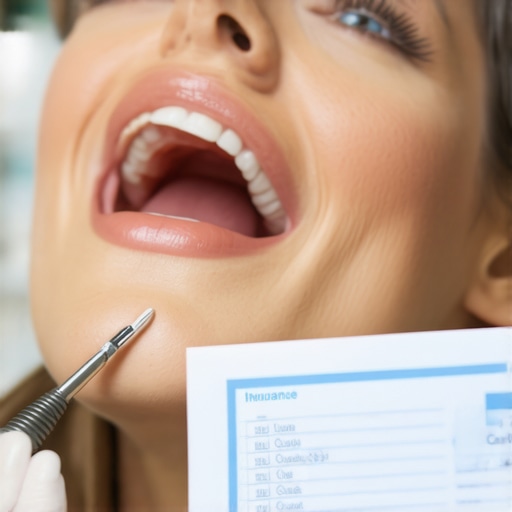
I remember the exact moment I realized I’d been wasting money on dental insurance. It was after a routine cleaning, and I was surprised to see the bill — not because I couldn’t afford it, but because I thought my insurance would cover everything. That’s when it hit me: dental insurance often has a yearly maximum, and I’d been overspending in my efforts to keep my smile perfect. If you’ve ever wondered why your insurance doesn’t seem to cover all the dental work you need, you’re not alone. Many people get caught off guard by these limits, feeling like they’re throwing money into a black hole.
Understanding the Why Behind Your Insurance’s Yearly Cap
Most dental insurance plans have a maximum annual benefit—think of it as a cap on how much the insurer will pay within a year. This isn’t a flaw or oversight; it’s a strategic part of managing costs. Insurance companies calculate these limits based on statistical data—mainly because dental work can be expensive, especially when procedures like crowns or root canals are involved. Did you know that the average cost of a dental crown can range from $800 to over $1,500? Without annual caps, insurance costs could skyrocket, making dental care unaffordable for many.
This cap might sound restrictive, but it actually encourages us to be proactive with our oral health. If I had known earlier that neglecting regular checkups could lead me to hit that limit faster, I might have been more diligent about routine visits. More importantly, understanding this limit empowers you to plan ahead and use your benefits wisely.
Have you ever felt frustrated because your insurance stopped covering a procedure midway? That’s a common experience, and it often stems from reaching that annual maximum. The good news is, with some strategic planning, you can stretch your benefits and get the most out of your coverage. For example, knowing the benefits and limitations of your plan can help you schedule preventive care—like teeth cleanings—which often count against your annual maximum but are less costly than restorative procedures.
Also, considering the timing of your dental work can make a difference. Schedule major procedures early in the year if possible, so you have more coverage left for unexpected issues later. If you’re curious about which treatments are most covered or how to optimize your benefits, I recommend reading more about [the role of crowns in modern smile makeovers](https://periodontistcare.com/understanding-the-role-of-crowns-in-modern-smile-makeovers) and how to plan your dental care accordingly.
So, let’s get to the nitty-gritty: how can you leverage your dental insurance to keep your smile healthy without overspending? That’s what we’re about to explore—stay tuned for practical tips that will help you navigate your yearly maximum and make every dollar work harder for you.
Prioritize Preventive Care
Start by scheduling your routine teeth cleanings early in the year. Regular cleanings not only maintain oral health but often count against your annual maximum. By keeping up with these visits, you prevent major issues that cost much more and quickly deplete your coverage.
Plan Major Procedures Wisely
Coordinate the timing of significant treatments, such as crowns or root canals, to occur at the beginning of your coverage cycle. This allows you to utilize your benefits when they are most abundant, while leaving room for unexpected dental needs later.
For example, last year I had a complicated crown procedure in January. I booked it right after my insurance reset, ensuring I had full coverage and saved money. I recommend discussing your treatment timeline with your dentist to optimize your benefits.
Understand Your Plan Details
Review your insurance policy to grasp what procedures are covered and any caps or restrictions. Knowing this helps you avoid surprises and plan treatments accordingly. Check if certain treatments, like dental crowns, have specific limits or waiting periods. For more insight, see how crowns fit into modern smile makeovers.
Utilize Preventive Strategies
Adopt daily oral health routines that focus on prevention, reducing the need for restorative procedures. Effective home practices include correct brushing techniques, flossing, and using mouthwash. For detailed tips, visit effective home teeth cleaning secrets.
Watch for Oral Health Signs
Identify early symptoms of issues like tooth sensitivity, gum inflammation, or discomfort. Early detection allows for simpler, less costly treatments within your coverage limits. If you notice symptoms, consult your dentist promptly to address problems before they escalate.
Maintain Consistent Communication with Your Dentist
Stay in touch about upcoming procedures and your insurance benefits. Your dentist can help navigate treatment plans that align with your coverage and oral health goals. Establishing a good dialogue ensures you’re not caught off guard by limits or coverage boundaries.
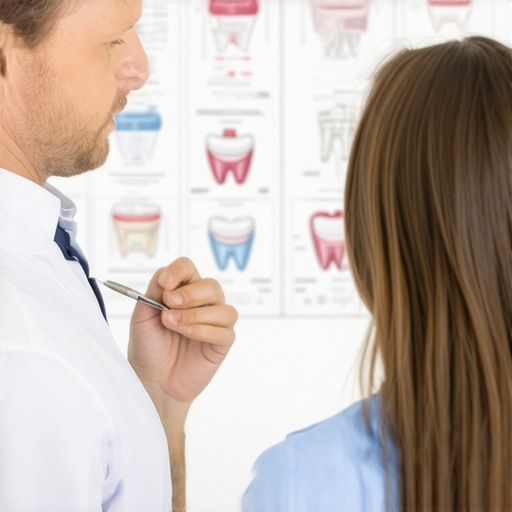 Many assume that dental crowns are a quick fix for aesthetic or functional issues, but the reality is far more nuanced. In my experience, patients often overlook the importance of proper placement and material choice, which can drastically affect durability and appearance. For example, some believe all crowns are equally long-lasting, but zirconia crowns, as outlined in this detailed guide, can outlast porcelain varieties when maintained correctly.
A common misconception is that crowns are maintenance-free once cemented; in truth, neglecting proper cleaning and regular checkups compromises their lifespan, leading to issues like discoloration or secondary decay. Many dentists warn against aggressive brushing around crowns, as it can erode the margins or weaken the bonding over time, emphasizing the need for gentle, targeted oral hygiene routines.
Furthermore, many patients assume crowns are purely cosmetic. However, they play a critical role in restoring biting function and protecting vulnerable teeth. Missing this nuance can result in delayed treatment or repeated failures. Advanced practitioners understand that choosing the right type of crown depends on individual factors like bite force, aesthetic demands, and gum health—something often underestimated by laypeople.
How can we leverage this understanding to improve long-term outcomes? First, adopting an integrated approach that considers the material science behind crowns and the biological factors influencing adhesion ensures better durability. Second, educating patients about the signs of crown failure—like increased sensitivity or loosening—can prompt earlier interventions, saving costs and discomfort.
In fact, preemptive strategies such as proper crown care routines and lifestyle adjustments (like avoiding hard foods) can significantly extend their lifespan.
A tricky aspect many overlook is the relationship between crowns and surrounding tissues. Ill-fitting crowns can cause gum recession or inflammation, which, if ignored, may lead to more extensive periodontal issues. This emphasizes that crown longevity isn’t just about the material but also about precise placement and ongoing maintenance.
Are you aware of how your oral habits influence existing crowns? Small changes can make a big difference. For example, switching to specific maintenance tips tailored for crown wearers can maintain health and appearance.
Let’s not forget the significance of choosing experienced professionals for crown placement. A well-executed crown isn’t just about technical skill but also about understanding the biological nuances that ensure a natural look and function. This aligns with the notion that quality dental work is an investment in your overall health.
Have you ever fallen into this trap? Let me know in the comments. Remember, understanding these deeper nuances empowers you to make informed decisions and extend the life of your dental restorations.
Invest in the Right Tools for Maintenance
Achieving lasting oral health requires more than just regular visits; it demands quality tools that support your daily routine. I personally swear by the Sonicare DiamondClean toothbrush because its advanced sonic technology provides superior plaque removal and is gentle on crowns and gums. Unlike standard brushes, it pulses at 62,000 strokes per minute, reaching deeper into plaque buildup, which is crucial for protecting restorations and preventing issues like secondary decay.
In addition, I recommend investing in a water flosser, such as the Waterpik Ultra, because it effectively cleans around crowns and between teeth where traditional floss might miss. Its adjustable water pressure helps me target stubborn plaque without damaging sensitive tissues or damaging crowns.
Embrace Digital Tools for Better Tracking
Digital applications can dramatically improve your long-term results. Apps like Dentitox Pro allow you to log daily brushing and flossing, set reminders for dental visits, and track any oral symptoms. This habit tracking ensures you’re consistent, which is vital for maintenance.
For instance, I use a SmartBrush connected via Bluetooth to my smartphone, which analyzes my brushing technique and offers personalized feedback. Over time, I’ve improved my technique, leading to healthier gums and prolonged crown lifespan. Modern tech tools can help you identify issues early, such as gum recession or sensitivity, before they escalate into costly problems.
Schedule Regular Professional Cleanings
Routine professional cleanings are irreplaceable. I schedule mine every six months, aligning treatments around my insurance benefits to maximize coverage—especially since the yearly maximum can be depleted during extensive procedures like crowns or plaque removal.
During these visits, your dentist can perform thorough cleanings, remove tartar buildup, check the integrity of crowns, and catch early signs of decay or gum disease. Combining home maintenance with professional care ensures your restorations stay functional and your oral health remains optimal.
Adopt Smart Maintenance Habits
Consistent daily practices are fundamental. I’ve found that using a tongue scraper in the morning not only freshens breath but also reduces bacterial load, decreasing the risk of gum inflammation.
Moreover, paying attention to your diet plays a part. Limiting sugary snacks and acidic drinks prevents enamel erosion around crowns while fostering a healthier oral environment overall. Remember, even the best tools won’t compensate for neglecting basic habits.
Future of Dental Maintenance Tools
The industry is moving toward AI-integrated devices that offer real-time feedback on brushing technique, detecting areas you might miss. Expect future tools to provide personalized, data-driven advice—making maintenance more intuitive and proactive. As these advances become more affordable, incorporating them into your routine will be essential for sustained oral health.
Ready to step up your maintenance game? Try using the Sonicare DiamondClean for two weeks, paying close attention to areas you previously neglected. You’ll likely notice fresher breath, cleaner crowns, and healthier gums, setting the stage for a confident smile that lasts.
Lessons from My Crown Journey That Changed My Perspective
One of the toughest lessons I’ve learned is that not all crowns are created equal — choosing the right material and dentist makes a world of difference in durability and appearance. I once assumed that all crowns would last equally long, but after experiencing a few failures, I realized that zirconia crowns, as explained in this essential guide, are more resilient when maintained properly.
Another insight came from neglecting the importance of gentle cleaning around crowns. I used to brush vigorously, thinking I was doing well, only to discover that this often erodes the margins, leading to gum recession. Proper oral hygiene routines, such as those outlined in this article, are critical to prolonging the life of your restorations.
Lastly, I learned that preventative care outweighs reactive fixes. Regular checkups and early symptom recognition, like sensitivity or slight gum inflammation, helped me avoid costly repairs or replacements. Knowing the early warning signs and acting promptly is a lesson I wish I’d learned sooner.
My Treasure Trove of Tools and Resources for a Bright Smile
Over the years, I’ve assembled a set of trusted tools that support my oral health, starting with the Sonicare DiamondClean toothbrush, which I find gentle yet effective on crowns and natural teeth alike. For maintaining interdental spaces, the Waterpik Ultra has been invaluable, helping me clean around crowns and braces without damage.
For a broader understanding, expert guidance on crown care and regular teeth cleaning strategies have profoundly shaped my approach. These resources ensure I’m well-informed and proactive about my dental health, saving me time and money in the long run.
Additionally, apps that track my daily routines, such as brushing and flossing, remind me to stay consistent, which has been key to maintaining healthy gums and extending the lifespan of my crowns. Technology truly empowers us to be our own best dental advocates.
Ignite Your Smile: Embrace Action Today
Investing in knowledge, the right tools, and proactive habits transforms your dental journey from reactive to preventive. As I’ve discovered, a confident smile isn’t just about aesthetics—it’s a reflection of your overall health and self-care. Starting small — like scheduling that early dental appointment or trying a new flossing technique — can create lasting benefits.
Remember, your dental future is in your hands. With the right mindset and resources, you can achieve a resilient, radiant smile that boosts your confidence and well-being for years to come.