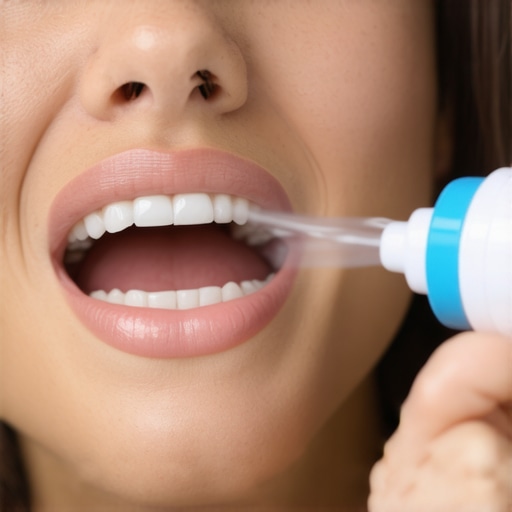
I remember the moment I truly appreciated the importance of proper oral hygiene. It was during a routine dental check-up when my dentist gently pointed out the stubborn plaque buildup around my crowns. The lightbulb moment hit me—I had been neglecting an essential part of my routine, thinking a quick brush would suffice. That realization led me down the path of exploring effective tools like water flossers, which promised a deep clean that traditional brushing and string floss simply couldn’t achieve.
Why Proper Water Flosser Technique Can Transform Your Smile
If you’ve ever felt that your daily cleaning routine isn’t enough—maybe you notice lingering food particles, bad breath, or even slight bleeding gums—you’re not alone. Many people overlook the importance of how they use their water flossers. A correct approach can make all the difference in maintaining healthy teeth and gums, especially around crowns and bridges where debris tends to hide. Proper technique not only enhances the cleaning efficiency but also helps prevent issues like gum disease and decay, which can compromise your dental work over time. Since water flossers can reach areas traditional floss might miss, mastering their use is a game-changer for deep cleaning and long-term oral health.
Is Your Water Flosser Really Doing Its Job?
I’ll admit, I made a common mistake early on—spraying water randomly without focusing on the gum line or adjusting the pressure appropriately. This haphazard approach left my gums irritated and didn’t improve my deep-clean goal. It’s easy to assume that just holding the flosser nozzle in one spot is enough; however, the real trick is in the technique—angle, pressure, and pattern. If you’re unsure whether your method is effective, you’re not alone, and we’ll uncover the secrets to proper water flosser use together. Proper technique is essential, especially if you have crowns or restorative work that requires gentle, thorough cleaning. For more insight on how crowns fit into comprehensive oral health, check out this detailed guide on crowns.
So, are you facing the frustration of not getting the deep clean you desire? If yes, keep reading—because I’m about to share the proven methods that will elevate your routine, safeguard your dental investments, and lead to a noticeably healthier smile.
Focus on the Angle of the Tip
When I first started using my water flosser, I aimed it at the gum line rather than directing the spray directly onto my teeth surfaces. I realized that angling the tip at a 45-degree incline toward the gum line, much like aiming a garden hose at the base of a plant, allowed the pressurized water to dislodge debris hidden in the crevices around crowns and bridges. This simple adjustment significantly improved my cleaning results and minimized gum irritation. For detailed insights on how crowns interact with overall oral health, check out this comprehensive guide on crowns.
Master the Pressure Settings
Start Gentle, Then Increase Gradually
I made a mistake early on by setting the water pressure to maximum right away, which caused bleeding and discomfort. Instead, I learned to start with the lowest setting to familiarize my gums and gradually increase pressure as tolerated. Think of it like adjusting a garden hose’s nozzle; a gentle spray is gentle on delicate plants—your gums—yet powerful enough to do the job. Over time, I found that a medium setting struck a proper balance between effective cleaning and gum comfort. This step is crucial for crowns, where excessive pressure can damage the restoration or irritate sensitive tissues. Adjusting pressure appropriately helps prevent issues like gum recession, which can expose the edges of crowns or cause discomfort. For more about maintaining crowns effectively, visit this expert advice on crowns.
Employ Systematic Coverage
I adopted the habit of moving my flosser tip along the gum line in slow, deliberate strokes—not rushing from one spot to another. I pictured my mouth like a grid, ensuring every section received attention. Starting at the back molars, I gently swept the water along the gum line, then moved to the front teeth, focusing especially on areas around crowns where plaque can accumulate unnoticed. This systematic approach ensures no spot is neglected, similar to a sweep of a paintbrush covering every inch of a wall. During one messy session, I lost track of time and water spray, but I learned that consistency and thoroughness outperform quick, haphazard cleaning. Regular, time-conscious strokes help remove stubborn debris around crowns and bridges, extending their lifespan and ensuring optimal health. To understand more about long-term crown care, see tips for crown longevity.
Incorporate Flossing Patterns
Instead of randomly spraying water, I found that dividing my mouth into sections—upper right, upper left, lower right, lower left—and dedicating a few seconds to each ensured thorough cleaning. Using a zigzag pattern along the gum line, much like sweeping a broom side-to-side rather than pushing dirt straight ahead, improved plaque removal. I also paid special attention to the spaces around crowns, where food particles often lodge. During my practice, I noticed that consistent patterning prevented missing spots, which is common if you just aim and spray randomly. Applying this pattern helped me prevent future issues like gum inflammation or decay beneath crowns. For more tips on effective home dental care, visit this article on teeth cleaning secrets.
Maintain and Adjust Your Routine Regularly
Over time, I noticed my gums became less sensitive, and plaque accumulation reduced, thanks to routine adjustments. I began using lower pressure, changing angles slightly, and even varying my pattern to adapt to changing oral conditions. Think of your water flosser as a dynamic tool that should evolve with your oral health needs. Regularly inspecting the nozzle for mineral deposits or wear, replacing it when necessary, and consulting with a dental professional for personalized advice ensures ongoing effectiveness. For details on extending your crowns’ life and maintaining their shine, see this crown care guide.
Many assume that once a dental crown is placed, the issues surrounding it diminish significantly, but the truth is more nuanced. A common misconception is that crowns are maintenance-free and can withstand neglect, leading to premature failure or discoloration. In reality, crowns require meticulous care, just like natural teeth, to ensure their longevity. Ignoring subtle signs like gum recession or sensitivity around the crown can accelerate deterioration. Moreover, some believe that brushing harder will clean better; however, excessive force can damage both the crown and surrounding tissues, increasing the risk of recession or decay beneath the restoration. To better understand how crowns integrate with overall oral health, visit this guide on crowns.
Are Enamel-Protection Tips Enough for Crown Care?
A hidden trap many fall into is thinking that enamel-strengthening alone suffices for protecting crowns. While preserving natural enamel is vital, crowns are made from different materials like porcelain or zirconia, which don’t have the same regenerative capacity. Regular checkups to monitor crown margins and surrounding gum health are essential. An advanced mistake is neglecting the importance of sealing the cement-retention line, which can harbor bacteria if not properly maintained, leading to secondary decay. According to research in the Journal of Dental Restoration, neglecting these nuances increases failure rates, especially in patients with compromised immune systems or poor oral hygiene habits. Remember, routine professional cleaning and personalized advice are key to maintaining both natural and restored teeth with crowns.
Keeping your dental work and oral health in excellent shape requires more than just regular brushing. Over years of practical experience, I’ve found that investing in the right tools and adopting precise methods can significantly extend the lifespan of your crowns and improve overall dental wellness. One of my top recommendations is the use of the Waterpik Aquarius Water Flosser. I personally prefer this model because its adjustable pressure settings and targeted tip options allow for customized cleaning, especially around crowns and bridges, where plaque tends to accumulate stubbornly. Unlike traditional string floss, the Waterpik can dislodge debris in hard-to-reach areas with minimal discomfort, making it ideal for families, especially those with multiple restorations.
Beyond flossers, I advocate for using an ultrasonic toothbrush like the Sonicare DiamondClean. Its high-frequency vibrations create superior plaque removal compared to manual brushes. I rotate between this and an electric brush for daily cleaning, ensuring I get deep into the gum line and around crowns without applying excessive pressure that could cause damage. Regularly updating your toothbrush head—every three to four months—is crucial to prevent bacteria buildup and maintain hygiene.
Additionally, I leverage professional-grade whitening and polishing kits for at-home maintenance, which help prevent staining and keep crowns looking natural. But remember, overuse of abrasive products can harm the delicate interfaces between natural tooth material and restorations—so moderation is key.
Looking ahead, the trend in oral health technology points toward AI-enhanced cleaning devices that can adapt in real-time to your gums’ condition. For example, future devices may analyze gum sensitivity and adjust pressure accordingly, further personalizing care. Research by the American Dental Association underscores that integrating advanced technology streamlines long-term maintenance and improves outcomes.
How do I keep my crowns and oral health maintained over time?
Adopting an effective routine involves deploying the right tools like water flossers and ultrasonic brushes, scheduling regular professional checkups, and staying informed about emerging innovations. Regular, precision cleaning prevents buildup and decay, ensuring your investment in dental restorations lasts for years. For in-depth advice tailored to your unique needs, consulting your dentist is always recommended. If you’re interested in elevating your daily routine, I encourage you to try the Waterpik Aquarius for a focused, comfortable cleaning experience around your crowns—you’re likely to notice the difference immediately.
Throughout my years of maintaining oral health, I’ve discovered that the most profound lessons often come from unexpected setbacks and personal reflections. Embracing these insights has transformed not just my routine but also my understanding of dental longevity and family dental wellness.
Lessons I Never Expected About Crowns and Family Teeth Cleaning
- Patience is a Powerful Ally: I once believed that quick brushing around crowns was sufficient. However, I realized that meticulous, deliberate cleaning prevents future complications and extends the life of restorations.
- Small Details Matter: Overlooking the angles of a water flosser tip or neglecting systematic coverage can lead to stubborn plaque. Paying attention to these nuances makes a measurable difference.
- The Value of Regular Checkups: Routine dental visits aren’t just about cleanings—they’re about catching subtle issues early, especially around crowns and bridges, which can be tricky to spot without professional eyes.
What Tools Have Made a Difference in My Family’s Oral Wellness
- Waterpik Aquarius: Its adjustable pressure settings and targeted tips help my family efficiently clean around crowns, making daily routines more effective and less invasive.
- Sonicare DiamondClean: The high-frequency vibrations ensure deep cleaning with gentle care, crucial for sensitive areas and restorative work.
- Professional Knowledge Resources: Trusted articles like this guide on crowns empower my family to make informed decisions about our oral health.
Let Your Passion Drive Your Dental Confidence
Remember, caring for crowns and family teeth isn’t just about maintaining look—it’s about embracing a proactive mindset that prioritizes long-term health. Your dedication today paves the way for a confident, vibrant smile tomorrow. Don’t wait for small issues to become big problems; start refining your routine now. For personalized advice or to explore the best options for your unique needs, reach out to a dental professional. What’s one new technique you’re eager to try to boost your family’s oral health? Share your thoughts below—your journey might inspire others to take action.