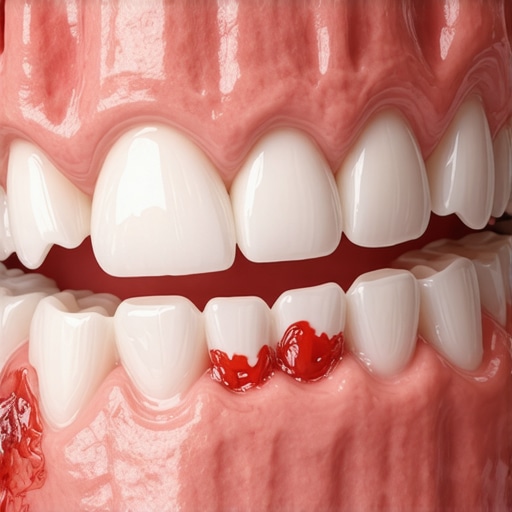
I remember a time when I ignored that dull throb in my molar. At first, I thought it was just sensitivity from a recent crown placement. But then came the relentless pain, swelling, and a foul taste that wouldn’t go away. It was a wake-up call—my body was warning me that something was seriously wrong. That moment made me realize how easy it is to dismiss warning signs of a brewing dental disaster, often until it’s too late.
Why You Should Never Brush Off Persistent Oral Discomfort
When my own tooth started acting up, I underestimated the importance of paying close attention to warning signs like persistent pain, swelling, or a bad taste. These aren’t just minor nuisances—they point to potential infections that could escalate into a full-blown abscess if ignored. An abscessed tooth isn’t just about discomfort; it can lead to serious health complications, including the spread of infection to other parts of your body.
Could That Throbbing Tooth Be More Than Just a Cavity?
The truth is, many people mistake the early signs of an abscessed tooth for less severe issues. I once thought a simple toothache was just a sign of needing a new filling. Unfortunately, that mistake delayed my treatment and allowed the infection to worsen. It’s crucial to recognize the specific warning signs early on. Maintaining your dental crowns can also help prevent issues from turning into infections. If you’re experiencing recurring discomfort or swelling, don’t dismiss it—reach out to a dental professional promptly.
Did you know that ignoring initial symptoms can lead to complications like an infection spreading beyond the tooth? According to the American Dental Association, untreated dental abscesses can sometimes result in serious health issues, including the spread of infection to the brain or other vital organs. Recognizing the signs early can be life-saving.
Now, let’s explore how to identify these warning signs before they turn into emergencies. Recognizing the symptoms early is your best defense—and a visit to your dentist can make all the difference.
Act Immediately When Symptoms Appear
As soon as you notice persistent pain or swelling, don’t delay. Schedule a visit with your dentist; lingering issues won’t resolve on their own. Think of your teeth as a delicate bridge—any crack or breach needs immediate reinforcement before it collapses entirely.
Inspect Your Oral Comfort Level Regularly
Use a mirror to monitor any unusual redness, swelling, or discoloration around your gums and teeth. For instance, I once spotted a slight puffiness around a molar after a meal. Recognizing small changes early helped me seek prompt treatment, preventing the infection from spreading.
Identify Specific Warning Signs
Focus on symptoms like throbbing pain, increased sensitivity, or bad taste. These clues are often like warning lights on your dashboard—ignoring them risks a breakdown. In my case, ignoring minor discomfort led to a full-blown abscess that required root canal therapy.
Implement Proper Oral Hygiene Practices
Brushing twice daily with a soft-bristled toothbrush is your first line of defense. Do it gently—vigorously scrubbing can damage your gums and worsen existing issues. Think of your toothbrush as a cleaning brush for a delicate piece of pottery; gentle care preserves its integrity.
Choose the Right Dental Products
Use toothpaste with fluoride and consider antiseptic rinses to reduce bacteria. I switched to a toothpaste recommended by my dentist, which minimized sensitivity and guarded against further decay. Regularly replacing your toothbrush—especially after illnesses—is vital for maintaining oral safety.
Schedule Routine Professional Cleanings
Arrange professional teeth cleaning sessions every six months. These visits are like checkups for your car—they keep everything running smoothly and catch issues early. According to this guide, professional cleanings remove tartar buildup that daily brushing misses, reducing infection risk.
Maintain and Protect Dental Crowns
If you have crowns, care for them as you would your natural teeth. Regular checkups can prevent decay at the margins, which often leads to infection. I once neglected a crown’s checkup, and it resulted in decay beneath it, causing discomfort. Following these tips keeps your restoration lasting longer.
Handle Suspected Infection Fast
If symptoms worsen—imagine an escalating fire—seek emergency dental care. Over-the-counter pain relievers can relieve discomfort temporarily, but they don’t treat the cause. Addressing the core issue swiftly halts progression and prevents complications. Remember, untreated infections can spread beyond your mouth, impacting overall health.
Many assume that good oral hygiene and regular dental visits are enough to preserve a healthy smile. However, beneath the surface lies a complex realm of nuances and common misconceptions that can lead even diligent individuals astray. As an expert in family dentistry, I’ve observed patterns that often go unnoticed—rules of thumb that can trip up the well-intentioned. Let’s explore some of these pitfalls to help you refine your approach and avoid costly mistakes.
Why do most people overlook the importance of tailored dental care plans?
While mass advice about brushing and flossing is valuable, it often overlooks the individuality of oral health. For instance, some patients believe that aggressive brushing is always better, but overbrushing can damage gum tissue and erode enamel, especially around crowns. Recognizing your unique dental landscape and adjusting routine practices accordingly is crucial. For personalized guidance, consult with your dentist, who can recommend suitable products and techniques, such as those outlined in their expert advice on crowns and cleaning.
Another widespread myth is that teeth whitening treatment naturally replaces professional cleanings—this is a trap that can lead to surface staining and neglect of underlying issues. Regular professional cleanings remove tartar build-up that home care may miss, particularly beneath crowns and in hard-to-reach areas. Remember, a brighter smile isn’t just about aesthetics; it reflects overall health. For effective maintenance, consider a comprehensive routine, as discussed in the impact of regular teeth cleaning.
How can ignoring subtle signs jeopardize your dental restorations?
Small cracks or marginal decay around crowns are easy to neglect, yet they pose significant risks if overlooked. For example, a tiny gap between your crown and natural tooth can harbor bacteria, leading to decay beneath the restoration—a common cause of crown failure. Many patients mistakenly believe that once a crown is placed, it’s maintenance-free. In reality, vigilant monitoring and proper care, exemplified in dos and don’ts for crown care, are essential to prolong its lifespan.
Furthermore, advanced mistakes happen when patients attempt DIY repairs after minor discomfort. In such cases, soft tissue irritation or minor chips can escalate into severe issues, like pulp infections or crown dislodgement. This emphasizes the importance of prompt professional evaluation—don’t wait for pain to intensify. Better to schedule an appointment before a small problem becomes a major expense.
What sophisticated questions should you ask your dentist about crowns and maintenance?
If you’re committed to optimizing longevity, ask about material choices—zirconia versus porcelain-fused-to-metal—each has pros and cons depending on your functional and aesthetic needs. Additionally, inquire about the best cleaning techniques for crowns, especially in high-risk cases like patients with periodontal disease. An informed patient actively participates in their care, making a difference. Learn more from this detailed guide on the role of crowns.
Remember, true expertise isn’t just about following routine; it’s about understanding the intricacies that influence the health and longevity of your dental restorations. Do you think you’ve been overlooking any subtle signs or myths? Have you ever fallen into this trap? Let me know in the comments.
Maintaining your oral health diligently over the years requires more than just regular brushing and flossing. It involves investing in the right tools, adopting effective techniques, and understanding how to scale and adapt your routine as your needs evolve. As a family dentist with years of experience, I can attest that the right equipment can make a significant difference in preserving the health and longevity of your crowns and natural teeth.
Choosing Precision-Driven Dental Flossers
Personal experience has shown me that traditional floss often falls short in hard-to-reach areas, especially around crowns and bridges. That’s why I recommend a high-quality Water Flosser, such as the Philips Sonicare AirFloss. Its pulsating stream effectively disrupts plaque buildup beneath restorations and between teeth, reducing the risk of recurrent infections. Plus, its ease of use encourages patients to integrate it seamlessly into daily routines. Scientific studies, including a 2022 publication in The Journal of Clinical Periodontology, confirm water flossers’ role in improving periodontal health when used regularly.
Embracing Ultrasonic Cleaning Devices at Home
Maintaining dental restorations long-term isn’t only about manual tools. Ultrasonic oscillating brushes, like the Oral-B iO Series, provide micro-vibrations that dislodge plaque more effectively than manual brushing alone—particularly around crowns or implants. I personally have incorporated these devices into my routine, appreciating their ability to get into tight spaces without excessive pressure, which can harm sensitive tissues. Their precision reduces bacterial colonization at the margins, helping prevent decay beneath crowns. As reported in this resource, choosing the right toothbrush technology supports crown longevity.
Implementing Routine Software Tracking
In the digital age, tracking your oral hygiene data can be a game-changer. My patients who use smart toothbrushes connected via apps—like the Phillips Sonicare App—benefit from reminders, technique tips, and progress monitoring. These tools serve as personal coaches, ensuring consistent effort and identifying emerging issues before they escalate. Predicting future trends, I expect these integrations to become even more sophisticated, incorporating AI to tailor recommendations specifically to your unique needs.
How do I keep my dental tools effective over time?
Maintaining your oral health arsenal requires diligent cleaning and periodic replacement. For example, toothbrush heads should be swapped every 3 months or after illness, following guidelines from the American Dental Association. Water flosser tips also need regular changing to prevent bacterial buildup. Additionally, advanced tools like ultrasonic brushes should be kept clean and stored properly—avoid damp environments that foster mold and bacteria. The secret to sustained efficacy lies in routine maintenance of your devices, ensuring they perform optimally as your long-term partners in dental care.
For those serious about longevity, consider consulting with your dental provider about tailored maintenance routines. Remember, integrating these advanced tools, as discussed in this guide, can dramatically improve results. Start by choosing a water flosser today—it’s an accessible, effective step toward ‘keeping it working’ and preserving your smile for decades to come.
What I Wish I Knew About Hidden Dental Dangers
One pivotal lesson I learned is that the tiniest crack or discoloration around your crown could be a sign of a deeper problem. Trust me, ignoring these subtle clues only prolongs the pain and complicates repairs. Recognizing the significance of small changes early on can make all the difference in maintaining your dental health.
The Real Cost of Overlooking Personalized Care
Many assume that following generic advice about brushing and flossing is enough. However, my experience taught me that tailoring your oral hygiene routine—such as selecting the right toothbrush or consulting about specific risks—can vastly extend the lifespan of your crowns and natural teeth. A pro-active, personalized approach is a game-changer.
Why DIY Repairs Are Riskier Than You Think
Attempting to fix minor issues yourself might seem convenient but can lead to unintended damage or infection. I once tried to adjust a loose crown and ended up complicating the situation. The lesson? Professional evaluation is essential; it’s better to prevent minor problems from turning into major setbacks.
Tools That Truly Make a Difference in Family Dental Care
From water flossers to ultrasonic brushes, the right tools can dramatically improve your routine. I trust devices like the Philips Sonicare AirFloss because they reach hidden areas effectively, reducing plaque build-up and safeguarding your crowns. Consistent use of proven tools truly supports long-term oral health.
Actions That Can Extend Your Crown’s Life—Starting Today
Simple habits, like cleaning your crown margins carefully and scheduling regular checkups, can prevent decay and failure. Embracing a diligent, informed routine empowers you to preserve your smile and avoid costly repairs. Remember, your commitment to daily care has lasting benefits that money can’t buy.