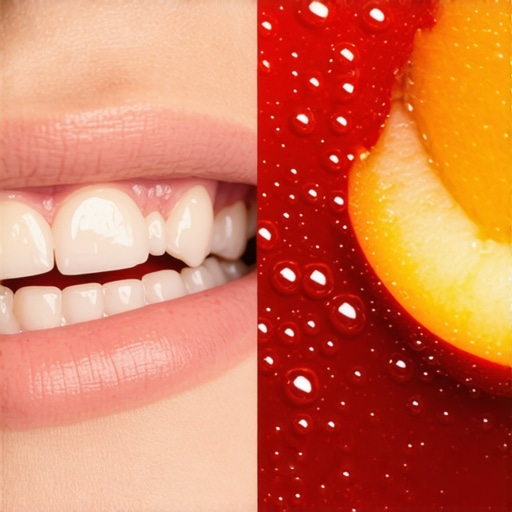
There was a morning not too long ago when I caught myself grimacing at the mirror, my teeth feeling oddly sensitive after what I thought would be a healthy start — a glass of fruit juice. That lightbulb moment hit me hard: I’d been convinced that sipping on orange day after day was doing my body good. Turns out, I was unknowingly trading my dental health for a quick flavor boost. If you’ve ever had a similar experience, you’re not alone. Many of us underestimate how everyday habits, like drinking fruit juice, can quietly damage our teeth over time.
What I Didn’t Know About Fruit Juice and Tooth Health
Initially, I believed that eating whole fruit was the only way to get the nutrients without harming my smile. But I overlooked a bigger risk: liquid sugars and acids in fruit beverages. These elements make fruit juices particularly sneaky offenders for our teeth, more so than the actual fruit itself. As I dug deeper, I discovered that the sugars in juice contribute to bacterial growth, which leads to plaque and cavities. Meanwhile, the acids erode enamel — the protective layer that keeps our teeth strong and damage-free. According to dental research, frequent exposure to acidic and sugary drinks can weaken tooth enamel, making teeth more vulnerable to decay and sensitivity (source: Vitamin D deficiency and enamel health).
And here’s the thing: many of us consume fruit juices daily, thinking they are a healthier alternative to sodas or artificially flavored drinks. But in reality, they can be as harmful or even more damaging because of their acidity and sugar content.
Are Fruit Juices Really Worse Than Sodas?
That’s a common question, and honestly, I used to wonder the same. While sodas are undoubtedly notorious for their health risks, studies reveal that fruit juices, especially when consumed frequently, can cause comparable damage. It’s not just the sugar; the acidity levels often surpass those found in many soft drinks. To keep your smile safe, it’s vital to recognize that moderation and proper oral care are key—something I didn’t realize early on.
Have you noticed your teeth feeling sensitive after your daily juice habit? If so, don’t worry. Recognizing the problem is the first step toward protecting your teeth while still enjoying fruit flavors. In the next sections, I’ll walk you through practical steps I’ve learned to keep my smile healthy and vibrant, even with a sweet tooth. And if you’re interested in neutralizing acidity after your drinks, don’t miss the tips I share on maintaining your dental health routine — you can explore more at this link. Ready to make smarter choices for your teeth? Let’s get started!
Brush and Floss Consistently
First, establish a daily routine of thorough brushing twice a day and flossing. I once neglected my floss during a hectic week, which led to early signs of gum irritation. That messy experience taught me the importance of removing residual sugars and acids from between teeth, especially after enjoying fruit juice. Use a fluoride toothpaste and a soft-bristled brush to gently clean all surfaces, reaching even the back molars.
Neutralize Acidity with Rinses
After consuming fruit juice, rinse your mouth with water for at least 30 seconds. This helps wash away sugars and acids, preventing them from lingering and causing damage. I remember once swigging water immediately after a glass of apple juice, then waiting a few minutes before brushing; it significantly reduced sensitivity the next day. For added protection, consider using an alkaline mouthwash or a baking soda rinse—just dissolve a teaspoon of baking soda in a glass of water, swish for 30 seconds, then spit out.
Limit Frequency and Quantity
Control how often and how much fruit juice you drink. Instead of sipping throughout the day, consume it during meals. I used to have juice with every snack, which prolonged exposure to acids. Switching to drinking only with breakfast or lunch decreased enamel erosion noticeably. Remember, moderation is key—aim for no more than one small glass per day.
Use a Straw Properly
When drinking fruit juice, use a straw positioned at the back of your mouth to minimize contact with teeth. I tried this with a reusable straw during my last juice moment, and it worked wonders in reducing contact time. Conversely, avoid sipping directly from the glass, which exposes your teeth more directly to the acids and sugars.
Schedule Regular Dental Check-Ups
Visit your dentist every six months for professional cleanings and examinations. During these visits, ask about the condition of your enamel and discuss any sensitivity. I learned that early detection of enamel wear can lead to simple interventions like applying sealants or fluoride treatments, which help reinforce tooth surfaces. Check out effective home practices to keep your family’s dental health in top shape.
Consider Protective Dental Shields
If you’re a heavy juice drinker or have sensitive teeth, talk to your dentist about custom fluoride or dental sealant applications. I once received a protective coating that created a barrier against acids, and I noticed a decrease in sensitivity. Professional applications are a worthwhile investment to keep your enamel strong over time.
Refine Your Oral Hygiene Routine
Incorporate targeted practices like gentle tongue cleaning and using interdental brushes. My routine became more effective after I added a tongue scraper, which reduces bacteria and freshens breath—especially after acidic beverages. Review this comprehensive routine for sustained oral health benefits.
Be Mindful of Gentle Cleaning Tools
Avoid abrasive toothpaste or hard-bristled brushes that can wear down weakened enamel. I switched to a soft brush and a non-abrasive paste, which helped preserve my enamel after noticing minor erosion. This gentle approach prevents further damage while effectively cleaning your teeth.
Stay Hydrated and Avoid Snacking
Drink plenty of water throughout the day to help neutralize acids and wash away sugars. I made a habit of sipping water regularly, especially when I craved a juice-like sweetness. Additionally, minimize snacking on sugary or acidic foods that can compound the effects of fruit juice. Eating fibrous vegetables like celery or carrots can naturally scrub teeth, providing a protective effect while boosting your nutrition.
By integrating these practical steps into your daily routine, you create a formidable defense against the damaging effects of fruit juice. Remember, consistent care and moderation are your best allies for maintaining a bright, healthy smile amidst your favorite flavors.
Many patients believe that brushing once a day and visiting the dentist annually are sufficient for maintaining optimal oral health. However, these common practices often overlook crucial nuances that can significantly impact long-term dental wellness. For instance, the notion that fillings or crowns last indefinitely is a misconception; in reality, they require regular monitoring and maintenance, as discussed in our guide on [caring for crowns](https://periodontistcare.com/caring-for-crowns-essential-tips-for-longevity-and-shine). Furthermore, there’s a widespread myth that aggressive brushing is better for cleaning teeth. On the contrary, overbrushing or using hard-bristled brushes can erode enamel and gum tissue, leading to sensitivity and recession, a point emphasized by dental experts.
Why do some patients neglect the importance of a tailored family dental routine?
Many assume that what works for adults applies to children and seniors alike, but age-specific needs require personalized strategies. For example, parental awareness of early signs of tooth decay in children can prevent cavities, as highlighted in our [family dentistry](https://periodontistcare.com/family-dentistry-focus-building-a-lifetime-of-healthy-smiles) section. Ignoring subtle cues like enamel wear or minor gum bleeding often results in overlooked issues that escalate into costly treatments, including crowns or root canals. A common pitfall is the misconception that dental crowns are purely cosmetic; in fact, they serve a vital functional role in restoring tooth integrity and preventing further decay, detailed in [the role of crowns](https://periodontistcare.com/understanding-the-role-of-crowns-in-modern-smile-makeovers). Don’t underestimate the importance of scheduled check-ups and the early intervention they facilitate. As research published in the journal of [periodontal research](https://periodontistcare.com/the-impact-of-regular-teeth-cleaning-on-overall-oral-wellness) indicates, professional cleanings can detect issues before they become noticeable to patients. Overlooking such proactive care can lead to advanced conditions necessitating complex procedures. Have you ever fallen into this trap? Let me know in the comments. Remember, understanding these hidden nuances empowers you to take control of your dental health and avoid unnecessary complications.
How do I keep my dental health tools effective over time?
Maintaining your dental tools is crucial for enduring oral health. I personally ensure my toothbrush bristles are replaced every three months—this simple step prevents bacteria buildup and maintains cleaning efficiency. For manual brushes, I opt for those with soft bristles, as they are gentle yet effective in removing plaque without damaging sensitive enamel. My electric toothbrush of choice is the Oral-B Genius X, equipped with pressure sensors and multiple cleaning modes, helping me avoid overbrushing and enamel erosion. Regularly replacing brush heads—at least every three months—aligns with recommendations from the American Dental Association to ensure maximum plaque removal.
Investing in quality tools like interdental brushes, which I use daily to clean between crowns and behind molars, significantly reduces plaque buildup around dental work. I prefer models with slender, flexible bristles for safe navigation under crowns and bridges. For long-term results, I also recommend using fluoride mouth rinses such as ACT or Listerine Total Care, which strengthen enamel and protect crowns from decay. Regularly inspecting your tools for wear or damage is vital; a worn toothbrush can harbor bacteria and diminish cleaning effectiveness. Keep your tools dry and stored upright in well-ventilated cases to prevent mold and bacterial growth.
What’s the future of dental tools and crown maintenance?
Emerging trends include smart toothbrushes capable of syncing with app data to track brushing habits and pressure, enabling more personalized care. Advances in antimicrobial coatings for crowns and dental prosthetics are also on the horizon, potentially reducing the need for frequent replacements due to decay or wear. Staying informed about these innovations can give you a competitive edge in preserving your dental investments. Remember, consistent use of effective tools and adopting a routine guided by professional advice ensures your smile remains vibrant over decades.
Ready to upgrade your dental routine? Consider trying a high-tech toothbrush like the Oral-B Genius X, which provides real-time feedback and pressure alerts. Also, schedule your next dental check-up through our contact page to personalize your maintenance plan. Proper tools combined with expert guidance are your best allies for a lifetime of healthy, confident smiles.
The Unexpected Wisdom in My Dental Awakening
One of the most eye-opening lessons I encountered was realizing how small daily choices profoundly impact long-term oral health. For instance, avoiding acidic beverages might seem trivial, but it can be the difference between a vibrant smile and dental troubles years down the line. I also discovered that patience with consistent routines—like gentle brushing and professional check-ups—builds resilience against common issues, preventing minor problems from escalating. Finally, embracing technology, such as smart toothbrushes, transformed my approach from routine to personalized care, giving me insights I never considered before.
Tools That Made a Difference in My Dental Routine
Over time, I found that investing in quality tools genuinely enhances oral care. My electric toothbrush from a reputable brand offers sensors that help me brush more effectively, especially around crowns and sensitive areas. Interdental brushes became my secret weapon against plaque in hard-to-reach spots. For shielding my enamel, nothing beats the fluoride rinses I incorporate daily. And, of course, regular visits to my dentist keep my routine sharp and tailored. These tools, combined with expert guidance, have empowered me to maintain a healthier, confident smile.
Embracing a Smiles-First Mindset
The most profound aspect of my dental journey is understanding that a healthy mouth extends beyond aesthetics—it’s a cornerstone of overall well-being. Taking proactive steps, like being mindful of acidity in drinks or choosing gentle, effective tools, cultivates a sense of empowerment. Remember, your smile is your signature—protect it with intentional care. Whether you’re just starting or refining your routine, committing to small daily actions creates a ripple effect of confidence and health. Now, I challenge you to incorporate one new habit today and observe the difference it makes.
What small change will you commit to that could transform your dental health? Share your plan below and let’s support each other’s journey to brighter, healthier smiles!