
It was a sunny afternoon when I finally looked in the mirror and saw it—bleeding gums staring back at me while I brushed. That lightbulb moment, the realization that my daily routine wasn’t enough, changed everything. I’d been munching on salads and green smoothies, convinced they were the ultimate for gum health. But surprise: green vegetables weren’t the magic bullet I’d hoped for.
Many folks, myself included, think that increasing greens is the key to healthy gums. Yet, if you’re like me, you might have overlooked other powerful foods that can make a real difference in your oral health. The truth is, gum health isn’t just about what you avoid—like sugary treats or acidic drinks— but also about what you actively include in your diet.
Today, I want to share with you some of my personal discoveries about foods that boost your gums—foods that aren’t green vegetables. From nuts to dairy, these options have helped me reduce bleeding and inflammation, and I believe they can do the same for you.
Why Your Diet Matters for Gum Health
Gum disease is more common than most realize. According to research, untreated gum issues can lead to serious health problems, including heart disease. It’s a slow process that often begins with minor bleeding and inflammation, which many people ignore.
However, early diet adjustments can serve as a frontline defense. Just like regular dental visits and good oral hygiene, including the right foods in your meals can strengthen your gums and keep bacteria at bay.
Initially, I made the mistake of thinking that brushing and flossing alone could prevent gum issues, but I learned that nutrition plays a significant role too. Incorporating foods rich in vitamins C and D, minerals like calcium, and antioxidant-rich options can support tissue repair and reduce inflammation.
If you’re tired of seeing blood when you brush or noticing swelling, it might be time to look beyond your toothbrush. Have you ever faced persistent gum bleeding despite good oral care? If so, keep reading—I’ll share how certain foods transformed my routine and how they can do the same for you.
The Real Power of Food for Gum Health: An Insider’s Perspective
One early mistake I made was relying solely on mouthwashes and topical treatments. While these can help temporarily, they don’t address the root of the problem—your diet. I started exploring nutrition research and discovered that foods like almonds, yogurt, and even strawberries are packed with nutrients that combat inflammation and promote healing.
Did you know that Vitamin C-rich foods are crucial for collagen production, which keeps your gums firm? Or that dairy products provide calcium needed for strong teeth and jawbone support? Integrating these foods into my diet made a noticeable difference.
For a deeper understanding of how specific foods influence oral health and to learn about other beneficial options, I recommend visiting [this detailed guide](https://periodontistcare.com/teeth-cleaning-secrets-effective-home-practices-for-family-dental-health). It offers practical tips that can boost your oral hygiene routine.
Before diving into practical steps, I’d like to ask: Have you experienced gum bleeding or sensitivity that just won’t go away? If yes, you’re not alone, and the good news is that your diet can be a simple, effective part of your solution. Up next, let’s explore some powerful foods you might not have considered that can strengthen your gums and promote overall oral wellness.
Maintain a Consistent Oral Hygiene Routine
Start by establishing a daily regimen that includes brushing twice a day with a soft-bristled toothbrush and fluoride toothpaste. I remember practicing this diligently after my first crown placement, noticing that my gums healed much faster and bleeding decreased significantly. Use gentle circular motions to clean all tooth surfaces, including around crowns, which function like protective coffee filters, trapping plaque if neglected.
Don’t Overlook Your Tongue and Flossing
Scraping your tongue removes bacteria that contribute to bad breath and plaque buildup. Floss daily in a gentle S-shaped motion, ensuring you clean beneath crowns and between teeth where toothbrushes can’t reach. I once skipped flossing for a day and experienced soreness around my crown margins; adding it back made a noticeable difference.
Schedule Regular Professional Cleanings
Visiting your dentist twice a year for cleanings removes tartar and prevents gum disease. Think of these sessions as tune-ups for your vehicle—preventive and essential. During my appointment, my hygienist used ultrasonic scalers to clean around my crowns, which I couldn’t do effectively at home, avoiding future complications.
Monitor and Protect Your Dental Crowns
Crowns can last for 10-15 years if properly maintained. Avoid biting into hard foods like ice or nuts—imagine cracking a ceramic coffee mug. I learned this firsthand when I bit a frozen grape and felt some looseness; since then, I’ve been more cautious, and my crown remains pristine. Use [caring techniques](https://periodontistcare.com/caring-for-crowns-essential-tips-for-longevity-and-shine) to keep your crowns shining and intact.
Adjust Your Diet for Better Gums and Teeth
Incorporate foods high in vitamin C, calcium, and antioxidants—think berries, dairy, and nuts—to support gum tissue and enamel strength. I replaced my snack of chips with cheese and strawberries, which not only improved my taste buds but also reduced inflammation and bleeding around my crowns.
Limit Harmful Substances and Habits
Avoid smoking, excessive alcohol, and sugary drinks—they act like sandpaper on your teeth over time. I noticed my gums receded faster when I ignored these factors. Instead, I stay hydrated and rinse with water after meals to wash away acids and sugars, protecting both natural teeth and crowns.
Adopt Proper Brushing Techniques for Sensitive Areas
Use a toothbrush with soft bristles and brush at a 45-degree angle. Be gentle, especially around crowns or restorations. Once, I brushed too vigorously and felt discomfort near my crown margins; loosening the bond, which I learned from my dentist during a follow-up, underscores why softness and care matter. For more tips, see [oral health routine](https://periodontistcare.com/oral-health-routine-strengthening-your-smile-every-day).
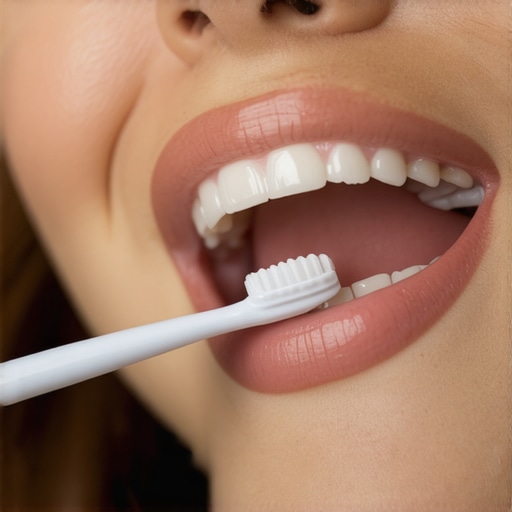 When it comes to maintaining oral health, many assume that regular brushing and occasional fluoride treatments are enough. However, even seasoned patients often fall into common traps that hinder optimal results. One prevalent misconception is that sophisticated dental procedures like crowns automatically safeguard your teeth without proper care. In reality, neglecting the nuanced differences between various crown materials and their maintenance requirements can lead to premature failures, as highlighted by experts in restorative dentistry. For instance, zirconia crowns demand specific cleaning protocols to preserve their longevity, a detail often overlooked by patients relying solely on generic tips. Additionally, many believe that family dentistry only involves routine cleanings, but comprehensive care includes understanding how individual family members’ habits influence shared oral health—something that requires personalized strategies. A frequent mistake is underestimating the importance of targeted oral hygiene routines for sensitive areas, such as around crowns or orthodontic appliances, which can be a game-changer in preventing recurrent issues. Have you ever fallen into this trap? Let me know in the comments. Recognizing these hidden nuances can empower you to take proactive steps, ensuring your dental investments pay off and your smile remains vibrant for years to come.Keeping your oral health in top shape requires more than just a good brushing routine; it demands the right tools and methods designed for durability and effectiveness. I personally rely on an electric toothbrush with a pressure sensor—such as the Philips Sonicare DiamondClean—to ensure gentle yet thorough cleaning, especially around crowns and restorations. This device helps me maintain proper pressure, preventing gum recession and crown loosening over time. For interdental cleaning, I prefer water flossers like Waterpik, which I’ve found significantly more comfortable and effective than traditional floss, especially around delicate crowns. They help remove plaque build-up in hard-to-reach areas without risking damage to dental work. When it comes to scheduling and tracking my oral hygiene routines, I use dental app software like Dentiify, which reminds me of upcoming appointments and provides personalized tips based on my history. Integrating technology into daily care not only boosts motivation but ensures consistency, which is crucial for long-term success.
Furthermore, I invest in a high-quality magnifying mirror designed for dentists — it allows me to inspect hard-to-see areas thoroughly, catching any early signs of issues before they escalate. Routine use of such tools supports early detection and proactive management, saving me time and money on extensive dental treatments. As we look ahead, advancements in AI-powered diagnostic tools may soon enable at-home detection of cavities or gum disease, making daily monitoring even smarter.
**How do I maintain these tools over time?** Regular cleaning of your electric toothbrush head, replacing it every three months, prevents bacterial buildup. Water flosser tips should be replaced annually to ensure optimal spray pressure and hygiene. Keep electronic devices like apps or AI tools updated to benefit from new features and security enhancements. Proper storage—keeping devices dry and in protective cases—also extends their lifespan.
For crowns and restorations, I always follow the guidance outlined in [this article](https://periodontistcare.com/maintaining-your-dental-crowns-dos-and-donts-for-best-results), which emphasizes gentle cleaning techniques to prevent damage. Using the right tools consistently enhances durability and ensures your dental work continues to serve you well for years.
Looking towards the future, I believe that integrating smart sensors with oral hygiene devices will personalize maintenance even further, alerting us to potential problems before symptoms appear. Meanwhile, I highly recommend trying out a pressure-sensitive electric toothbrush to optimize your daily brushing—it’s a game-changer in durable, effective cleaning.
Lessons Only Experience Can Teach About Gum Care
One of the most valuable insights I gained was understanding that not all foods affect gums equally. For example, while I believed spinach and kale were the perfect defenders, I overlooked how dairy and nuts actually deliver targeted nutrients that promote healing and reduce inflammation. Real progress came when I started paying attention to how individual foods impacted my gum health, not just their reputation as superfoods.
Another lightbulb moment was realizing the importance of consistency over occasional treatments. Regular, mindful habits—like daily flossing around crowns with gentle techniques—significantly improved my gum stability compared to sporadic professional cleanings. This taught me that personal diligence is the bedrock of lasting oral health.
Finally, I learned that understanding the specific needs of dental work, such as crowns, is crucial. Using the right cleaning tools and techniques tailored for crowns prevented damage and extended their lifespan. This nuanced approach turned routine maintenance into a powerful strategy for lifelong health, which I wish I had embraced sooner.
Tools and Resources That Reinvented My Routine
My go-to electric toothbrush from Philips Sonicare, equipped with a pressure sensor, transformed how I brush around crowns—making it more effective and gentle. To complement this, I started using a Waterpik water flosser, which cleaned areas I could never reach with traditional floss, providing peace of mind and a fresh feeling every day.
For information that deepened my understanding of oral health, I turned to trusted sources like expert advice on crowns and teeth cleaning and best practices for maintaining crowns. These guides were instrumental in helping me adopt strategies that extend the longevity of both natural teeth and dental work, saving me time and money in the long run.
Additionally, I incorporate routine inspections using a magnifying mirror recommended by dental professionals. This habit allows early detection of issues before they escalate, providing a sense of control over my oral health journey.
Take Action and Transform Your Smile
Remember, the journey to healthier gums is personal and ongoing. Small adjustments—like choosing the right tools, paying attention to your diet, and maintaining consistent routines—can yield extraordinary results. Your smile deserves this level of care and attention. Don’t wait for symptoms to worsen; start implementing these insights today and experience the difference firsthand.
What’s the single change you’re willing to make today to improve your gum health? Share your intentions below—I’d love to hear your plans and support your success!