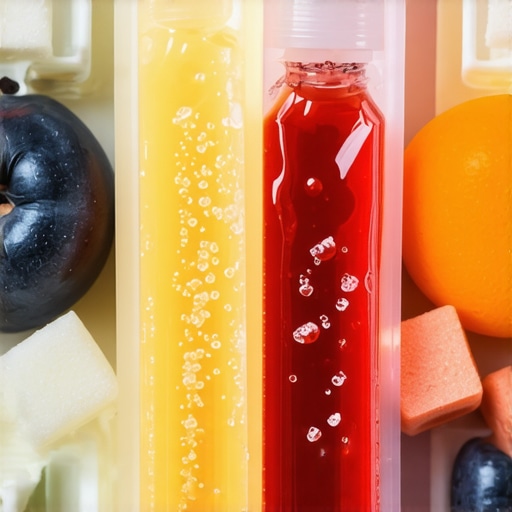
It was a typical afternoon in my kitchen, chaos reigning as my toddler happily squished a new organic baby food pouch. But as I looked at the label, a sudden lightbulb went off in my head. Despite the ‘healthy’ label, I realized I had no real idea how much sugar was hiding in these convenient packets. That moment of insight made me question everything I thought I knew about feeding my little one—could these so-called healthy options be doing more harm than good?
Why We Need to Rethink Organic Baby Food Packaging
Organic doesn’t always mean low in sugar. In fact, many baby foods labeled as “healthy” contain surprisingly high levels of natural and added sugars. This isn’t just a minor detail—excess sugar intake in early childhood can set the stage for dental issues, obesity, and even metabolic problems down the line. Yet, it’s easy to overlook these hidden ingredients when convenience and marketing make these pouches so appealing.
During my early research, I learned that some organic brands add natural syrups or fruit concentrates to enhance flavor, inadvertently increasing sugar content. According to recent studies, children can consume over the recommended daily sugar limit before breakfast, thanks in part to these hidden sources. I found myself asking: Are we actually feeding our kids nutritious food, or just sugar-laden snacks disguised as healthy options?
As a parent, I’ve made plenty of mistakes—like trusting labels blindly or choosing convenience over due diligence. I remember grabbing a pouch that claimed to be “all-natural” only to discover it contained added fruit concentrates with high sugar levels. That misstep prompted me to look deeper, and I want to share what I’ve learned so you can avoid the same pitfalls.
Is the Hype About Organic Baby Food Really Justified?
Many of us are convinced that organic is automatically better, but that’s not always the case when it comes to sugar content. I used to think selecting organic labels was enough to ensure healthy choices for my kids—until I saw the actual grams of sugar on some packages. It’s an eye-opener, and frankly, a wake-up call for all of us aiming to make better nutrition choices.
Getting caught up in the marketing hype can lead to unintentional overfeeding of sugar, which might undermine the very health benefits we’re trying to provide. Personally, I’ve learned that reading labels carefully and understanding ingredient lists is key to truly nourishing my family’s future. If you’ve ever felt overwhelmed by the options or unsure about what the labels really mean, I totally get it. That’s why I’m here—to help you navigate these hidden sugars and make smarter choices.
If you’re wondering how to start peeling back the layers of marketing and ingredients, I’ve got some practical tips and insights that can help you cut through the confusion. But first, let’s address a common concern many parents share: “Is this really a problem?”
Get Comfortable Reading Labels and Recognizing Hidden Sugars
First, dedicate time to scrutinize ingredient lists on every baby food label. Look for terms like ‘fruit concentrates,’ ‘fruit purees,’ or ‘sweeteners’—these indicate added sugars. I remember the first time I carefully read a pouch label, discovering it contained apple juice concentrate, which I hadn’t considered as a sugar source. This revelation prompted me to choose products with plain fruit ingredients and no added sugars, leading to healthier options for my child.
Choose Whole Fruits and Fresh Foods Whenever Possible
Replace processed pouches with whole, fresh fruits or homemade purees. For example, blending ripe bananas, berries, or cooked sweet potatoes gives your child natural sweetness without added sugars. I started prepping batches of homemade purees on Sundays, which turned messy, but the joy of controlling sugar content paid off when my toddler preferred my version over store-bought pouches.
Incorporate Healthy Flavor Enhancers into Meals
Add spices like cinnamon, vanilla, or nutmeg to homemade foods to boost flavor naturally. I experimented by mixing cinnamon into applesauce, which my kid loved, reducing the need for sweeteners. This simple step made a noticeable difference, and over time, my child became accustomed to less sugary taste profiles.
Limit Fruit Juice and Fruit Concentrates
Replace fruit juices and concentrates with whole fruits. For instance, serve sliced strawberries or apple slices instead of juice. I remember pouring a small cup of store-bought juice for my child—and noticing how it spiked his energy levels and then led to a sugar crash. Swapping it for sliced fruit maintained the sweetness and provided fiber, stabilizing his blood sugar better.
Create a Routine for Checking Sugar Content
Make a habit of regularly reviewing nutrition labels, especially for snacks and packaged foods. Keep a checklist or app handy to compare sugar amounts quickly. In my routine, I keep a list of preferred brands with low sugar content, which streamlines shopping and ensures I make better choices consistently. This approach minimizes the risk of accidental high sugar intake.
Reduce Marketing Influence and Educate Your Family
Teach family members about hidden sugars and involve them in choosing healthier options. Once my partner understood the sugar content in certain snacks, he became more vigilant, helping me reduce sugar-laden treats. This collective effort makes healthier choices more sustainable and less reliant on just parental supervision.
Seek Support from Dental and Nutrition Experts
If you find managing your child’s diet challenging, consult a family dentist or pediatric nutritionist. They can provide tailored advice and help formulate a plan to reduce hidden sugars. For instance, I scheduled a consultation with a pediatric dentist, who emphasized the importance of early dietary habits. Expert guidance can offer peace of mind and specific strategies, like recommendations on optimal snack choices or home cleaning routines to prevent sugar-related dental issues.
Implementing these steps requires patience and consistency, but the payoff is clear: healthier eating habits for your child and a reduced risk of dental problems. Remember, every small change counts in fostering a genuinely nutritious environment for your family’s teeth and overall health.
Many people assume that brushing more often or harder will lead to better dental health, but the truth is far more nuanced. A widespread myth is that aggressive brushing can remove plaque more effectively; in reality, it can actually damage your gums and enamel, leading to sensitivity and recession. Experts from teeth cleaning tips emphasize gentle, thorough brushing over brute force. Additionally, some believe that routine cleaning can alone prevent cavities and gum disease, but without addressing underlying factors like diet and brushing technique, these visits become superficial.
A critical but often overlooked detail is the importance of maintaining your dental crowns properly. Many think that crowns don’t require special care, but neglecting proper maintenance can lead to complications, such as decay around the margins or staining. Moreover, there’s a misconception that crowns are indestructible; in fact, they can chip or wear down if not cared for properly.
Advanced issues in oral health often get ignored because of a lack of awareness about subtle signs. For example, persistent sensitivity may seem minor, but it could indicate nerve damage or decay beneath a crown or filling. Recognizing these signs early can make a significant difference in treatment outcomes. Experts suggest that regular professional cleanings are vital, but they should be complemented with diligent daily care.
Have you ever fallen into this trap? Let me know in the comments.
A common trap is believing that flossing is optional—when in reality, it’s a crucial step in removing plaque from areas your toothbrush can’t reach. Skipping flossing can lead to plaque buildup and gum inflammation, which may develop into periodontal disease if left untreated. Consider that some believe mouthwash can replace brushing and flossing; this is false, as rinses typically don’t eliminate plaque effectively. Instead, they serve as adjuncts, not substitutes.
What about the role of family dentistry? Many think that a dental visit is only necessary when there’s pain or visible cavity—yet, early detection during routine exams can prevent costly procedures. Regular check-ups enable your dentist to spot issues like early decay or gum disease before they become severe. This proactive approach is often overlooked, but it’s essential for maintaining long-term oral health.
Finally, many underestimate the complexity of effective cleaning techniques suitable for different dental restorations. For instance, cleaning around dental crowns requires specific tools and methods to avoid damaging the material or compromising the seal. Improper care can lead to restoration failure, prompting unnecessary replacements.
Remember, understanding the subtle nuances of oral health, from proper cleaning to maintenance of restorations, makes a huge difference in preserving your smile. For in-depth strategies tailored to your family’s needs, don’t hesitate to reach out. Have you ever fallen into this trap? Share your experiences—or questions—in the comments.Maintaining your oral health effectively requires the right tools and consistent practice. One device I highly recommend is the **electric toothbrush** with oscillating-rotating technology. I personally use the Philips Sonicare DiamondClean, not only because of its superior plaque removal but also due to its built-in timers that ensure I brush for the recommended two minutes. These timers are crucial in preventing both over-brushing, which can damage gums, and under-brushing, which leaves plaque behind.
Another indispensable tool is a **water flosser**, like the Waterpik Aquarius. Unlike traditional floss, water flossers can reach difficult-to-access areas between teeth and below the gumline, making daily cleaning more effective and, frankly, easier—especially for those with crowns or braces. I’ve found that targeting interdental spaces with a water flosser significantly reduces the risk of gum inflammation and decay around restorations.
Consistency in cleaning techniques matters as much as the tools themselves. For instance, I follow the guidance from teeth cleaning tips to brush at a 45-degree angle and to brush gently along the gum line without applying excessive pressure. This gentle but thorough approach preserves the integrity of gums and prevents recession.
Regular check-ins with your dental professional are vital for long-term success. Scheduling biannual professional cleanings helps remove tartar build-up that cannot be eliminated at home. During these visits, your dentist can assess the health of crowns, fillings, and other restorations, making adjustments or recommendations to extend their lifespan.
In terms of software, I track my dental habits using apps like Dental Monitoring, which reminds me to replace my toothbrush every three months and logs my daily brushing and flossing routines. Technology like this is poised to get even smarter, integrating with smart toothbrushes to provide real-time feedback and personalized tips, a trend I believe will become standard in the next decade.
How do I maintain my dental crowns over time to maximize their lifespan
Maintaining dental crowns involves more than just regular brushing and flossing. I suggest paying special attention to the areas around your crown margins, as plaque accumulation here can lead to decay under the restoration. It’s beneficial to use interdental brushes or floss threaders designed for crowns, ensuring every surface is cleaned meticulously. Additionally, avoid biting into very hard foods or using your teeth as tools, which can chip or dislodge crowns. Regular dental visits for professional cleanings and inspections are critical; your dentist can detect early signs of wear or decay and address them before they escalate. For comprehensive guidance, check out caring for crowns. Remember, a proactive approach in maintaining your restorations saves you money and discomfort in the long run. Want to step up your routine? Try integrating a high-quality water flosser into your daily cleaning—it’s a game-changer for long-term oral health and the longevity of your dental work.
The Hardest Lesson I Learned About dental care and crowns
I once believed that regular brushing was enough to keep my teeth healthy. It wasn’t until I experienced a crown failure due to neglect that I realized detailed maintenance and understanding of dental restorations are crucial. This eye-opener taught me the importance of tailored care routines, especially around crowns, which many overlook, risking costly repairs and discomfort.
3 Myths About family dentistry That Held Me Back
I previously thought family dentistry was just about scheduling regular visits, but I discovered it’s also about personalized education and early intervention. Believing that dental visits are only necessary when there’s a problem caused me to delay essential checkups. Breaking this myth empowered me to prioritize preventive care, benefiting my family’s oral health immensely.
What Experts Won’t Tell You About teeth cleaning and turning habits into healthy routines
Many assume that brushing harder equates to cleaner teeth, but gentle, thorough cleaning is far more effective. I learned that the right tools, like electric toothbrushes and water flossers, combined with expert techniques, significantly enhance results. This insight shifted my daily routine and improved my overall oral wellness, emphasizing that effective habits are about quality, not quantity.
My Essential Toolkit for lasting dental health
Over time, I built a collection of trusted tools: a high-quality electric toothbrush, a water flosser, and interdental brushes. These have transformed my oral health by making cleaning more efficient and accessible. I recommend exploring these options, as they make adhering to a rigorous routine easier and more sustainable, especially around crowns and restorations.
Embrace Your Smile: Take Action Today
Every aspect of dental care, from understanding hidden sugars to maintaining crowns, plays a role in preserving your smile for the long term. Don’t wait for problems to arise; start integrating these lessons into your routine now. Remember, your smile is a reflection of your commitment to health—invest in it today, and it will serve you well for years to come.
What challenges have you faced in maintaining your dental health? Share your experiences below and let’s learn together!.