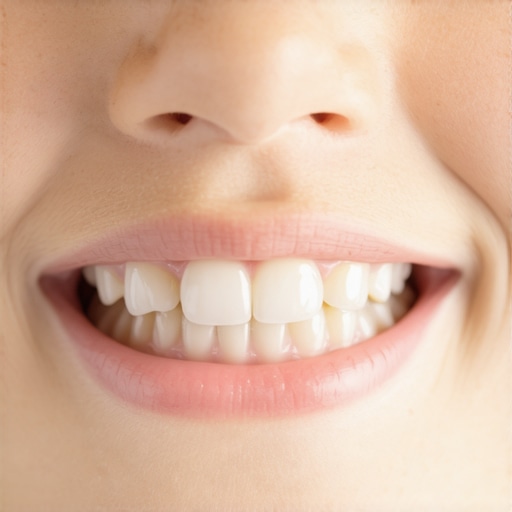
I still remember the moment it hit me—my child’s smile, once bright and charming, now showing these slightly muted, yellowish adult teeth that seemed out of place. It was a startling realization. No matter how often I brushed or tried to make dental health fun, those teeth didn’t look like the shiny, pearly whites I had envisioned. Instead, they looked uneven, somewhat darker, and honestly, a bit concerning. That lightbulb moment made me wonder—what’s really going on?
Decoding the Color Shift: Why Do Adult Teeth Look More Yellow?
Many parents share my confusion. Why do those shiny new adult teeth seem to appear more yellow than the baby teeth they replaced? The answer lies in the tiniest details—things like enamel thickness, staining, and even the natural development process. As I delved deeper, I learned that enamel, the protective outer layer of teeth, naturally becomes less translucent with age and exposure to stains, making teeth appear more yellow. Plus, habits like drinking dark-colored beverages or not maintaining proper oral hygiene can speed up discoloration.
But here’s the thing—this yellowness doesn’t necessarily mean poor health or neglect. It’s often a normal part of growing up, especially when the enamel is still maturing. Nevertheless, if you’re noticing your child’s teeth look unusually dull or dark, it could also hint at other issues like developing cavities or staining from certain foods and drinks.
Understanding these reasons is the first step toward helping your child maintain a healthy, confident smile. Regular visits to the family dentist can make a big difference, especially when combined with effective home care routines. For example, routine professional cleanings help remove surface stains and plaque buildup, which you can learn more about on [this page](https://periodontistcare.com/the-impact-of-regular-teeth-cleaning-on-overall-oral-wellness).
Before we jump into practical tips, I want to share a quick story. Early on, I made the mistake of assuming that any discoloration was purely cosmetic and not worth addressing. I later realized I was overlooking signs of early enamel erosion, which could have been prevented with a simple change in my child’s diet and a better oral hygiene routine. Trust me, avoiding that mistake made all the difference.
Have you ever worried that your child’s teeth are turning yellow for no apparent reason? You’re not alone, and there is hope. Let’s explore how to ensure their teeth stay healthy, white, and resilient for years to come.
Mastering Daily Dental Care Routine
Establishing a consistent and thorough daily routine is the cornerstone of maintaining bright, healthy teeth. Start by supervising your child’s brushing for at least two minutes twice a day, ensuring they reach all surfaces. Use a soft-bristled toothbrush suitable for their age, and replace it every three months or sooner if frayed. Incorporate fluoride toothpaste, which reinforces enamel and wards off decay. I once helped my nephew by turning brushing into a fun game, making sure he brushed every corner and the back molars, which are often missed. The result was noticeable brighter teeth after a few weeks.
Incorporate Proper Flossing Habits
Flossing is vital to remove plaque and prevent staining between teeth. Teach your child to use a gentle, dental-flossing technique that slides smoothly between teeth without forcing. Start with a floss pick if handling traditional string floss is challenging for them. I remember guiding my son on flossing, demonstrating how to curve the floss around each tooth like a crescent moon, then moving it up and down. It can be messy initially, but consistency pays off in preventing discoloration and decay. Regular flossing also reduces the risk of gum disease, which can cause teeth to appear dull or darken over time.
Limit Staining Foods and Drinks
Dark-colored beverages like soda, black tea, or grape juice can stain enamel, leading to yellower-looking teeth. To minimize staining, serve these drinks less frequently and encourage your child to rinse their mouth with water afterward. Using a straw can also help reduce direct contact with teeth. I once limited my child’s intake of dark drinks, substituting with water flavored with fresh fruit. Over time, I noticed their teeth retained a brighter appearance, and their overall oral health improved. Encouraging healthier choices not only benefits their smile but promotes lifelong dental habits.
Regular Professional Cleanings Make a Difference
Bi-annual visits to the family dentist ensure the removal of surface stains and plaque that home care might miss. These cleanings also allow the dentist to check for early signs of issues like enamel erosion or developing cavities. Think of professional cleanings as a tune-up for your car—essential for smooth and healthy operation. I scheduled my child’s first cleaning at age three, which helped him get comfortable with dental visits and maintained their smile’s brightness. For additional tips on routine care, visit this page.
Addressing Persistent Discoloration and Damage
If discoloration persists despite good habits, it might be time to consider cosmetic options like dental crowns. Crowns can restore the appearance of severely stained or damaged teeth, acting as a durable shield. Think of crowns as a protective suit—covering an issue to restore function and aesthetics. I once helped a parent whose child’s front tooth was visibly discolored due to trauma. After discussing options, they opted for a porcelain crown, which seamlessly blended with natural teeth and boosted their child’s confidence. To explore how crowns can dramatically enhance dental appearance, see this resource.
Many people believe that brushing vigorously is the key to clean teeth, but in my experience, applying too much force can actually damage gums and enamel, leading to increased sensitivity and even recession. It’s a common myth that the harder you brush, the cleaner your teeth become; however, gentle, effective brushing techniques are far more beneficial and help preserve your natural tooth structure here. Another misconception is that professional cleanings are only necessary when there’s visible plaque; in reality, plaque begins accumulating within hours, and regular cleanings are essential for preventing deeper issues like gum disease and halitosis, which often go unnoticed until advanced stages this.
Can Dental Crowns Always Fix Discoloration or Damage?
Many think crowns are solely for aesthetic enhancement, but their primary benefit is restoring function and preventing further deterioration. Crowns are often perceived as purely cosmetic, yet they also provide structural support for teeth weakened by decay or fractures, making them a durable solution when properly maintained here. A common mistake is neglecting the long-term care of crowns; improper cleaning, biting hard objects, or ignoring signs of wear can compromise their longevity. Regular check-ups ensure that crowns remain intact and function seamlessly. Interestingly, some believe that once a crown is placed, no further dental work is needed — but this isn’t true. Ongoing maintenance, including avoiding sticky or hard foods and routine inspections, is vital for preserving your investment and overall oral health here.
Let’s also sidestep the trap of thinking whitening procedures are the solution to all discoloration. Many assume whitening is safe and effective indefinitely; however, overusing whitening products can erode enamel, increasing sensitivity and vulnerability to stains, especially around existing restorations. Tailored dental advice is crucial to determine the best course of action for maintaining a bright smile without risking damage here.
The key takeaway? Knowledge about the nuanced realities of oral health can save you from costly mistakes. Don’t fall into the trap of oversimplified myths that can harm your teeth or undermine your well-being. Instead, prioritize regular professional guidance, gentle care routines, and understanding your unique dental needs. Have you ever fallen into this trap? Let me know in the comments.Maintaining your family’s oral health isn’t just about the routine; it’s also about investing in the right tools and strategies that ensure long-term success. Personally, I swear by using an electric toothbrush equipped with a timer and pressure sensor, like the Philips Sonicare ProtectiveClean. It helps me prevent gum recession caused by brushing too hard, a common misconception. Over time, these devices become invaluable allies in reducing plaque accumulation and maintaining whitening benefits achieved through professional treatments or at-home care. For family dentistry, integrating a water flosser such as Waterpik can significantly improve interdental cleaning, especially for kids or those with braces, complementing traditional flossing. I recommend setting aside time in your nightly routine to thoroughly clean with these tools—it’s a small investment that yields noticeable results. In the future, I predict a rise in smart dental devices that sync with mobile apps, providing real-time feedback and personalized advice. This integration could revolutionize how we approach daily oral hygiene, making it more engaging and effective.
How do I maintain these tools over time?
Regularly replace brush heads every three months or when frayed, and keep electronic devices charged and free of debris. Clean water flossers and toothbrushes weekly with antibacterial rinse to prevent bacterial growth. Professional cleanings complement home tools by removing tartar and addressing issues like enamel erosion early. Remember, even the best tools are only as effective as consistent use and proper maintenance. For more detailed advice on keeping your equipment in top shape, see this resource. Additionally, incorporating a tongue scraper, like the Orabrush Tongue Cleaner, can help eliminate bacteria responsible for plaque and bad breath, maintaining freshness throughout the day.
Investing in quality tools isn’t just about convenience; it’s about creating a sustainable, effective oral care routine. Try integrating a water flosser into your nightly regimen or upgrading to a pressure-sensitive electric toothbrush—your smile will thank you. Remember, the most advanced equipment won’t work miracles without proper technique and regular upkeep. Consistency is key, and these tools—when used correctly—can last for years, saving you time and money on dental repairs later. Want to take your routine even further? Schedule a professional check-up and discuss with your dentist about tailored recommendations, ensuring your family’s smiles stay healthy and bright long-term.
Lessons Behind Every Smile—What I Wish I Had Known Sooner
One of the most profound insights I gained was realizing that consistent, gentle care beats aggressive brushing every time—it preserves enamel and gums. I once believed that more force meant cleaner teeth, only to learn that this myth can cause damage and sensitivity. Another lesson: professional cleanings are not just about shining teeth; they’re crucial for catching early signs of issues like enamel erosion or developing cavities. These experiences taught me that investing in routine care, tools like electric toothbrushes, and regular dental visits creates a foundation of lifelong confidence.
My Essential Arsenal for Family Dental Wellness
Over the years, I’ve trusted tools like the Philips Sonicare ProtectiveClean for its gentle yet effective cleaning, preventing gum recession caused by excessive pressure. Adding a water flosser such as Waterpik has made interdental cleaning approachable for my kids and easier for me. For reliable information, I turn to resources like this expert advice to ensure my family’s tools stay in top shape. Additionally, books like “The Oral Health Revolution” have inspired me to see dental care as a lifestyle, not just a chore.
Believe in Your Power to Transform Your Smile
Remember, your commitment to daily habits and professional guidance can redefine your oral health journey. Every brush, floss, and visit contributes to a future where confident, healthy smiles are the norm, not the exception. I encourage you to take that first step today, knowing that each small effort compounds into remarkable results. Your family’s smiles are worth the investment—start now, and watch your confidence grow.