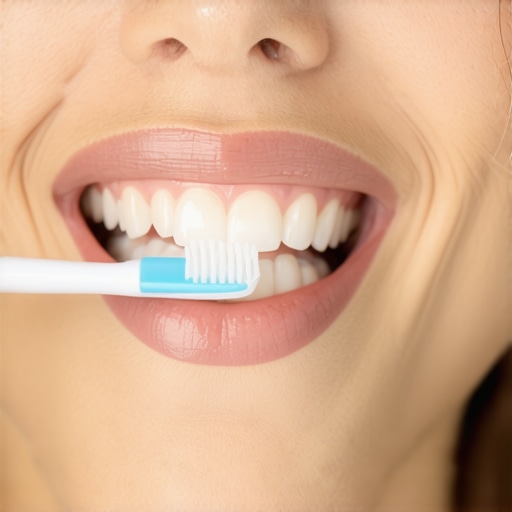
I remember the exact moment I realized I was doing more harm than good with my toothbrush. An excruciating jolt whenever I sipped my morning coffee or bit into an apple. Frustrating, right? That sharp, lingering pain was a wake-up call. Turns out, I had been unknowingly damaging my teeth all along—by brushing too hard. And honestly, I wasn’t alone. Many people think a vigorous scrub is the way to ideal oral health, but it can actually backfire.
The Hidden Danger of Over-Zealous Brushing
Most folks don’t realize that applying excessive pressure while brushing doesn’t make your teeth cleaner—it often destroys your gum tissue and wears down the enamel. Enamel, the tooth’s protective outer layer, can erode over time, exposing the sensitive dentin underneath. The result? Tooth sensitivity that turns simple pleasures, like a chilly breeze or hot coffee, into painful experiences. A startling fact from the American Dental Association states that aggressive brushing is the leading cause of gum recession, which greatly increases sensitivity and risk of cavities. Yet, many still brush like they’re trying to scrub the plaque away with a wire brush.
Have You Faced This Problem?
If you’ve ever felt a quick jolt of pain when eating or drinking something cold or hot, chances are, you’re battling the aftermath of over-vigorous brushing. I know I did, and I learned that proper technique is crucial. In the next sections, we’ll explore how to adjust your brushing habits and protect your teeth from this common but often overlooked mistake. Proper brushing technique can make all the difference in preventing sensitivity and preserving your smile.
Master Your Brushing Technique
Start by choosing a soft-bristled toothbrush that resembles a gentle brushstroke rather than aggressive scratching. I once grabbed my old, stiff toothbrush in a rush and ended up with bleeding gums. Instead, I replaced it with a soft brush and learned to hold it at a 45-degree angle to my gums, softly dancing along the gumline. This approach prevents gum recession and enamel wear, which are common results of harsh brushing.
Use the Right Movements
Think of brushing like guiding a paintbrush—small, gentle circles instead of sawing back and forth. Micro-movements clean your teeth effectively without hurting your gums. A quick tip: divide your mouth into quadrants and spend 30 seconds on each to ensure even cleaning and avoid rushing and missing spots. I set a timer, and after days of consistent gentle brushing, my sensitivity decreased noticeably.
Timing and Frequency
Brush at least twice daily, each session lasting two minutes. It may sound simple, but many underestimate the importance of duration. I once used a 30-second quick sweep and wondered why my breath still stank—until I finally committed to the two-minute rule. Using a timer or a clever smartphone app keeps you honest and ensures thorough cleaning.
Gentle Flossing
Flossing is like navigating a delicate wire—don’t force it or you’ll damage your gums. Carefully glide the floss between teeth, hugging the side of each tooth, and avoid snapping it down. I once started flossing more gently after reading about floss shreds and gum bleeding—within days, my gum bleeding stopped, and I could floss with ease. Regularly replacing floss and wrapping the floss around your fingers helps control pressure, preventing unnecessary trauma.
Avoiding Common Mistakes
Don’t brush immediately after acidic foods or drinks—they soften enamel temporarily. Wait for at least 30 minutes before brushing to avoid abrasion. Additionally, don’t forget to replace your toothbrush every three months or sooner if bristles fray. Using an old, worn toothbrush can be as harmful as not brushing at all. I committed to new brushes quarterly, which made a visible difference in plaque control.
Incorporate Proper Tools
Electric toothbrushes can enhance your technique by providing consistent, gentle motions, especially for those with limited dexterity. When I switched to an electric brush, I noticed more plaque removal with less effort, and my gums looked healthier. Pair it with a fluoride toothpaste, and you’re set for a brighter, healthier smile. Just be sure to choose a brush with a timer and pressure sensor to avoid overbrushing.
Keep It Consistent
Establishing and maintaining a routine creates lasting habits. I kept a reminder in my calendar to reinforce the habit, which turned brushing from a chore into a mindful act of self-care. Over time, it became second nature, and I avoided many dental issues that plagued my earlier, neglectful days. Remember, consistency outperforms intensity—gentle, regular cleaning keeps your enamel and gums intact for years to come.
By adopting these precise techniques, you are not just cleaning your teeth; you are fortifying your oral health, preventing issues like crown damage, gum recession, and sensitivity. Always consult your dentist for personalized advice, especially if you have existing dental restorations or health concerns, such as dental crowns or family dentistry needs.
Many individuals believe that brushing harder or more frequently guarantees a healthier smile, but in reality, this approach often causes more harm than good. Overzealous brushing can erode enamel and recede gums, leading to increased sensitivity and long-term dental issues. A common myth is that dental restorations like crowns are permanent solutions, but neglecting proper care can result in premature failure or additional damage. Moreover, some think that professional cleaning alone suffices for maintaining oral health, overlooking the importance of daily habits and nuanced factors like water quality or diet. For example, using soft water can actually contribute to enamel sensitivity if the fluoride content is inadequate, emphasizing the need to understand the subtle influences on oral wellness.
How Do Advanced Techniques Improve Long-Term Dental Outcomes?
Groundbreaking research highlights that employing minimally invasive procedures and personalized maintenance plans significantly reduce the risk of restorative failure and periodontal disease. Techniques like laser-assisted debridement or precise occlusal adjustments not only preserve existing structures but also enhance the longevity of treatments like crowns and bridges. According to a study published in the Journal of Dentistry, patients who receive tailored, advanced interventions experience fewer complications and better overall satisfaction. By moving beyond generic routines and embracing these nuanced methods, you can vastly improve your dental health—avoiding common pitfalls like improper crown fitting or neglecting early signs of complications. Remember, regular check-ups combined with personalized oral hygiene strategies tailored by your dentist are vital. Don’t forget that even subtle issues, like plaque hiding in hard-to-reach spots, can undermine your restorations if overlooked. So, stay proactive and informed to protect your smile for years to come. Feel like you might be missing these critical details? Discuss your concerns with your dentist and explore advanced options tailored to your specific needs. Remember, understanding the nuances behind dental health ensures you make informed decisions rather than falling for oversimplified myths or shortcuts.
How do I keep my teeth healthy over the years?
Maintaining your oral health isn’t just about brushing and flossing daily; it’s about using the right tools and techniques that support your unique needs. I personally rely on a high-quality electric toothbrush equipped with a pressure sensor and a built-in timer. These features help me avoid overbrushing, which can lead to gum recession and enamel wear, and ensure that I spend enough time cleaning each quadrant of my mouth. Electric toothbrushes like the Philips Sonicare DiamondClean have changed my routine, providing consistent, gentle motions that do the heavy lifting, especially for hard-to-reach back teeth.
Why invest in good tools?
The right equipment makes all the difference. For example, a water flosser such as Waterpik helps me clean effectively between my teeth without risking damage if used correctly. It’s especially beneficial if you have crowns or bridges, as traditional flossing can sometimes be tricky. Additionally, an interdental brush can reach stubborn plaque in tight spaces, which regular brushing might miss. Regularly replacing your toothbrush or brush head—every three months or sooner if the bristles fray—is essential to maintain optimal hygiene and prevent bacterial buildup.
Stay ahead with advanced maintenance methods
Emerging techniques like laser gum therapy are revolutionizing long-term periodontal care. According to a study in the Journal of Periodontology, laser procedures can reduce gum inflammation with minimal discomfort, promoting faster healing and better outcomes. Coupled with routine professional cleanings, these methods proactively prevent issues like recession or crown failure. I plan to explore these options with my dentist, especially since they support long-term stability and soft tissue health.
Be proactive with scheduling and monitoring
Using technology like smart toothbrush apps or reminders can help maintain consistent habits. For example, setting a two-minute timer twice daily keeps you honest, while apps that track your brushing pressure warn against excessive force. Regular dental check-ups are vital; they allow your dentist to catch issues early—before they necessitate more invasive procedures or crowns. Books and courses on family dentistry also emphasize that consistent care keeps your smile healthy and durable over decades.
Looking ahead: The future of oral health tools
Advancements like AI-powered diagnostics and 3D imaging are poised to personalize and enhance treatment plans further. The integration of smart devices is making maintenance easier and more precise, ensuring that issues are addressed before they escalate. By staying informed about these innovations, you can choose tools that offer the best protection for your oral wellness.
Start by trying a high-quality electric toothbrush with a pressure sensor today. Its gentle yet effective cleaning can immediately reduce trauma and boost your confidence in everyday care. For more tailored advice, consult your dentist about which tools fit your routine best and how to incorporate innovative practices into your long-term maintenance plan.
Remember, consistent use of specialized tools combined with professional guidance is the key to a healthy, vibrant smile that lasts a lifetime.
Lessons I Never Expected to Learn About Long-Term Oral Wellness
- Early in my journey, I believed that brushing harder meant better cleaning. Turns out, gentle on the gums and enamel is the way to go—an eye-opening revelation that transformed my routine.
- Investing in high-quality tools like electric toothbrushes with pressure sensors drastically reduced my gum sensitivity, saving me from painful experiences I once thought were inevitable.
- I discovered that routine dental checkups with personalized strategies are essential, not just optional, in preventing issues like crown failure or gum recession.
- The myth that frequent, aggressive brushing is beneficial is widespread; debunking it has helped me maintain my teeth and restorations longer than I imagined.
- Understanding the subtle signs of early problems—like slight gum bleeding or sensitivity—allowed me to seek timely care, avoiding costly repairs or discomfort down the line.
Tools and Resources That Changed My Perspective on Oral Care
- Philips Sonicare DiamondClean: Its gentle yet effective cleaning helped me adopt a more mindful approach, protecting my enamel and gums.
- Waterpik Water Flosser: This tool ensures thorough cleaning between my teeth without risking damage, especially important for crowns and bridges.
- Expert articles and professional advice: Trusted sources have guided me through complex decisions about long-term dental health and restorations.
- Regular dental consultations: Personalized assessments help catch issues early and tailor habits that fit my unique oral health needs.
Your Smile, Closer Than Ever
Taking control of your dental health means embracing these insights and tools—your future self will thank you. Small, consistent changes today can lead to a lifetime of confident, pain-free smiles. Why wait to start improving your oral wellness? Dive in, explore, and make your health a priority now. Have you ever faced a challenge with overbrushing or a tricky dental problem? Share your story below—I’d love to hear how you’re making your smile stronger every day.