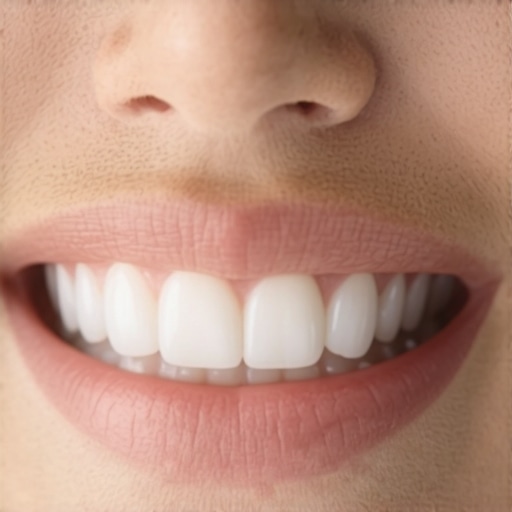
I remember the morning I looked in the mirror and noticed my gums had started to pull back. It felt like my teeth were slowly swallowing themselves, and for a moment, I panicked. I wondered, “Is this irreversible? Do I have to face surgery just to keep my smile?” That lightbulb moment hit me hard. I realized I needed to find a better way—something I could do myself, without heading straight for invasive procedures.
Why Gum Recession Should Never Be Ignored
Gum recession isn’t just about looks; it’s a warning sign of deeper issues like bone loss and potential tooth loss. And the scary part? Many people overlook it until it causes real pain or leads to loose teeth. According to the American Academy of Periodontology, untreated gum recession can lead to significant deterioration of the structural support around your teeth, making them vulnerable to further damage or even extraction. But here’s the good news: not all hope is lost. I’ve personally found methods that can slow or even reverse some effects—without going under the knife.
Is a Natural Fix Really Possible?
Honestly, early on, I made a mistake I see many others repeat—I neglected my oral hygiene routine, thinking brushing and flossing were enough. Wrong! That oversight only accelerated my gum issues. Trust me, proper care requires more than just the basics. In fact, exploring innovative approaches like deep cleaning techniques and targeted exercises truly changed my outlook. Curious to learn what worked for me and could work for you? Let’s dive in and find out how to protect your gums naturally.
If you’ve ever felt that sinking feeling when your gums start to recede, you’re not alone. And the best part? You don’t have to resign yourself to surgery right away. With the right habits and a little bit of dedication, you can take control of your oral health today. Ready to discover practical steps that could preserve your smile? Let’s get started.
Master Your Daily Oral Hygiene Routine
Start with brushing properly using a soft-bristled toothbrush held at a 45-degree angle to your gums. Use gentle, circular motions to clean each tooth surface, focusing on the gum line where plaque buildup is most common. I once found that switching from harsh scrubbing to gentle, methodical brushing dramatically reduced gum irritation during my routine. Additionally, floss daily but avoid forcing the floss or snapping it; instead, gently slide it between teeth, hugging each side of the tooth for effective plaque removal. Remember, aggressive flossing can wear down gums, exacerbating recession.
Deep Cleaning Practices That Make a Difference
Regular professional cleanings are essential, but learning how to supplement with at-home deep cleaning can really help. Consider using interdental brushes or water flossers—they’re like power washers for your gums. For example, I incorporated a water flosser into my nightly routine and noticed less stubborn plaque hiding in tricky spots. Check out this guide on deep gum scaling to understand why professional care is vital, and how at-home tools can help maintain your progress.
Nutrition and Lifestyle Adjustments That Support Gum Health
Eating a diet rich in vitamins C and D, along with calcium, strengthens your gum tissue and jawbone. Think of your gums as the foundation of a house; the better the materials—the nutrients—the stronger they stand. I once started including citrus fruits and leafy greens in my meals, and within weeks, my gums felt firmer. Avoid sugary snacks and drinks, especially fruit juices, which are notorious for fueling bacterial growth. Instead, opt for crunchy vegetables and cheese, which naturally scrub your teeth and stimulate saliva production.
Natural Remedies to Promote Gum Healing
Several herbal options can soothe inflamed gums. Rinsing with a warm saltwater solution acts like a natural disinfectant—remember the salt water trick I tried after an accidental tongue bite? It calmed the swelling instantly. Oil pulling with coconut oil can also reduce bacteria and promote tissue repair over time. For persistent inflammation, applying aloe vera gel directly to your gums can be soothing. Incorporate these natural remedies into your routine, but always consult your dentist for personalized advice.
Avoiding Harmful Habits That Accelerate Recession
Refrain from tobacco use; it constricts blood flow and impairs healing. Just like how smoking affects your lungs, it weakens your gum tissue’s resilience. Chewing on ice or using toothpicks excessively can physically damage your gums and enamel—think of it as chipping paint off a wall; the damage adds up. Also, be cautious about sharing oral hygiene tools like toothbrushes among family members to prevent cross-contamination, which you can learn more about here. Making these adjustments can significantly slow down or even reverse early gum recession.Even among seasoned dental professionals, misconceptions about teeth cleaning, family dentistry, oral health, and crowns persist. One prevalent myth is that brushing harder cleans better. In reality, aggressive brushing can erode your gums and enamel, leading to recession and sensitivity. It’s a trap many fall into, thinking more force equals cleaner teeth—yet, gentle, thorough brushing at a 45-degree angle proves more effective and safer. Remember, quality over force matters.
Another misconception revolves around the perceived invincibility of crowns. Some believe that once a crown is placed, it won’t need attention for years. However, neglecting proper care can result in secondary decay or crown loosening, which external examination might not reveal until complications arise. Regular checkups are essential to ensure your crowns and underlying teeth stay healthy.
The secret lies in understanding where plaque and bacteria hide. Many assume that brushing all visible surfaces is enough, but studies show that plaque can accumulate in hidden spots, like behind the molars or along the gum line, especially under crowns or bridges. This article delves into these elusive areas and emphasizes the importance of targeted cleaning.
A nuanced point many overlook is the influence of family hygiene habits. Sharing toothbrushes among family members is a surprisingly common practice, but it increases the risk of cross-contamination and spreading bacteria, including harmful pathogens that can cause cavities or gum disease. Avoid sharing toothbrushes to protect everyone’s oral health.
For those with crowns, understanding the lifespan and maintenance is vital. Crowns don’t last forever; factors such as grinding, poor hygiene, and diet can accelerate wear or cause fractures. Proper care, avoiding chewing on hard objects, and regular dental visits can extend their longevity. If a crown falls out or feels loose, prompt action can prevent further damage. For a quick guide, see this resource.
Let’s clear up a common misconception regarding oral health routines: many believe that using mouthwash replaces brushing and flossing. However, mouthwash should complement—not substitute—daily mechanical cleaning. While it kills bacteria and freshens breath, it doesn’t remove plaque effectively. Relying solely on mouthwash can lead to plaque buildup, decay, and gum issues.
Finally, advanced mistakes often involve neglecting the microscopic level—specifically, the role of the biofilm. Dental plaque isn’t just visible film; it’s a complex biofilm that protects bacteria from traditional cleaning. Disrupting this biofilm requires meticulous technique, sometimes involving specific tools like interdental brushes or water flossers. For a deeper dive, check this comparison.
In conclusion, brushing less aggressively, understanding the longevity and care of crowns, targeting hard-to-reach areas, avoiding sharing toothbrushes, and respecting the complexity of biofilm can vastly improve your oral health. Being aware of these nuanced truths helps you avoid popular pitfalls, ensuring a healthier smile for years to come. Have you ever fallen into this trap? Let me know in the comments.Keeping your oral health optimized requires more than just daily brushing and flossing. Investing in the right tools and adopting proven methods can make a significant difference in the longevity of your dental work, the health of your gums, and the overall strength of your teeth. Personally, I rely on specific equipment that has stood the test of time, helping me maintain my dental health with confidence.
First, I highly recommend using an electric toothbrush with a pressure sensor. Devices like the **Oral-B Genius X** or the **Philips Sonicare DiamondClean** not only provide consistent, thorough cleaning but also alert you if you’re brushing too hard, which can cause gum recession. I switched to an electric model after experiencing less gum irritation and improved plaque removal, especially around crowns and hard-to-reach spots. These tools often come with multiple brushing modes—sensitive, gum-care, and whitening—allowing tailored routines that protect delicate areas.
Supplementing brushing with water flossers such as the **Waterpik Sonic-Fusion** has been a game-changer. Unlike traditional floss, water flossers can reach under crowns and bridges more effectively, helping disrupt biofilm in hidden niches, like the infamous pocket behind molars where plaque hides from manual brushes. Regular use of water flossers reduces the risk of gingival inflammation and supports long-term gum health.
In addition, I employ interdental brushes for cleaning between tight spaces—particularly useful around crowns or large fillings. Brands like **Tepe Interdental Brushes** are effective because they come in different sizes, ensuring precise cleaning without damaging the gum tissue. I find they’re especially beneficial for maintaining hygiene in areas that are tricky to reach with floss or a toothbrush.
From a software perspective, I utilize apps like **MySmileMate** or **Brush DJ** to track my routines, set reminders, and learn about better techniques. These apps often include educational content that helps upgrade your habits, making each session more effective. A well-informed routine, combined with the right tools, reduces the potential for mistakes like applying excessive force or neglecting neglected zones.
Looking ahead, the future of dental tools is promising. Innovations like AI-driven toothbrushes and smart flossers are emerging, capable of analyzing your brushing habits in real-time and providing tailored feedback. Expect to see more integration with dental professionals through tele-dentistry, allowing for even more personalized guidance.
How do I maintain my tools over time? Regularly replacing brush heads and water flosser tips every three months is essential, as worn-out bristles and nozzles lose their effectiveness. Keep your devices clean—disassemble and rinse components after each use to prevent bacterial buildup. Store everything in a dry, cool place, and consider using UV sanitizers for an extra layer of sterilization.
For example, I keep my toothbrush in a UV sanitizing case that kills 99.9% of bacteria—a simple yet effective step to prevent cross-contamination, especially during flu season. Likewise, replacing water flosser nozzles regularly ensures optimal flow and hygiene. Check out [this detailed guide](https://periodontistcare.com/the-best-way-to-store-a-knocked-out-tooth-on-the-way-to-the-dentist) for tips on hygienic storage practices.
To really give your oral health a boost, try incorporating a practice like the 2-minute rule — dedicating two full minutes to brushing thoroughly. This simple adjustment enhances plaque removal and prevents long-term issues such as crown decay and gum recession. Consistent, diligent use of these advanced tools and habits will pay dividends in your dental health for years to come. Want to see noticeable improvements? Commit to upgrading at least one tool today and observe the difference over time.
What I Wish I Knew When Facing Gum Recession
One of my biggest lightbulb moments was realizing that early-stage gum recession isn’t just a cosmetic issue; it’s a warning sign of deeper problems needing proactive steps. I learned to recognize subtle changes in my gums and understand that prevention is far better than repair. These lessons taught me to pay attention to my body’s signals and prioritize consistent, gentle oral care over quick fixes.
Another lesson was the importance of customized routines tailored to my unique dental anatomy. Using the right tools and techniques made a significant difference, especially around crowns and hard-to-reach areas. I discovered that a one-size-fits-all approach isn’t effective, and that personalized care—like selecting the correct interdental brush size—could dramatically slow recession progress.
Finally, I realized that natural remedies and lifestyle adjustments can play a powerful role in promoting gum healing. Nourishing my body with vitamins, avoiding harmful habits like smoking, and incorporating soothing rinses complemented my professional treatments. This holistic approach empowers you to take control of your oral health and sustain your smile for years to come.
Key Tools That Transformed My Dental Maintenance
My essential toolkit includes an electric toothbrush with pressure sensors—models like the Philips Sonicare DiamondClean—helping me clean thoroughly without risking gum damage. Water flossers, like the Waterpik Sonic-Fusion, have become indispensable for reaching around crowns and deep pockets. Interdental brushes in varying sizes ensure no plaque hides unseen, especially in tight spaces. I also leverage dental health apps to track my routines and stay motivated. Trusting these tools stems from my own journey of discovering what truly works and reinforces the importance of investing in quality technology for long-term benefits.
Looking ahead, emerging innovations such as AI-enhanced toothbrushes and smart sensors will personalize your dental care even further, giving real-time feedback and guidance. Regular maintenance—like replacing brush heads and nozzles every three months—ensures optimal performance and hygiene. For practical tips on keeping your tools clean and effective, check this storage guide.
Seize Your Smile: Your Turn to Empower Oral Health
Your oral health journey is uniquely yours, and embracing these insights can make a real difference. The power to maintain a healthy, beautiful smile lies in consistent habits and making informed choices about the tools you use. Remember, natural remedies and personalized routines are accessible ways to support your gums, and regular professional checkups catch issues before they escalate. Don’t wait for pain or visible recession—start today, take charge, and watch your confidence grow. Are you ready to transform your dental routine and protect your smile for the future? Share your experiences or ask questions below, and let’s keep the conversation going.