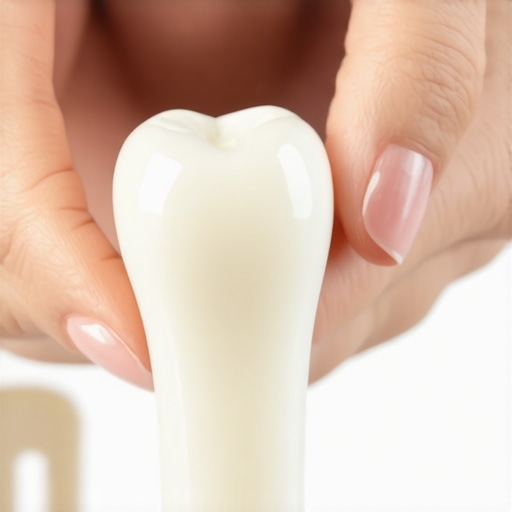
Ever had that gut-dropping moment where a child or even you oneself accidentally knocks out a tooth? That sickening feeling of panic hits fast. I remember once rushing, frantically searching for the tooth, thinking, “Is this really salvageable?” It’s a situation no one plans for, yet it’s surprisingly common—especially during active family weekends or sports. And let’s be honest—once the shock wears off, your mind races with questions: Should I just rinse it? Will it survive? Where do I even put it on the way to the dentist? That feeling of helplessness can be overwhelming, but here’s the truth: with a little knowledge, you can turn panic into action that could spare your tooth from permanent damage.
The critical importance of quick thinking and correct storage
When a tooth gets knocked out, timing is everything. According to dental experts, the chances of saving the tooth decrease dramatically after just 30 minutes—so every second counts. That’s why knowing the right way to store it can be the difference between a quick fix and a costly procedure. Believe me, I’ve made the mistake early in my practice of simply wrapping a knocked-out tooth in tissue or letting it dry out in a napkin. That mistake cost precious time and, ultimately, the tooth’s viability. Trust me—your first instinct isn’t always the best. Instead, I recommend specific methods to keep a tooth alive until professional help arrives. We’ve all been there, frozen in that moment of uncertainty—so read on, because I’ll walk you through exactly what you need to do in this emergency.
Is keeping the tooth moist really that crucial?
You’d think that any container or even just salivary moisture would suffice, right? Well, not quite. Although rinsing a dirt-covered tooth gently in water is beneficial, keeping it in an ideal environment is essential. Some folks mistakenly think that storing the tooth in milk is just a myth—it’s not. Milk has a unique composition that can help preserve the cells on the root surface longer than other liquids, boosting the chance of re-implantation. I learned this lesson the hard way early in my career when I didn’t think to consider milk as a storage medium, and I missed an opportunity to save a tooth. Don’t make that same mistake. Having that little container of milk in your first aid kit or car glove box could be a real lifesaver, literally.
If you’re curious about the best way to handle dental emergencies, including what to do with chipped teeth or lost crowns, check out this article. Proper preparation can make all the difference in keeping your smile healthy and intact.
Seize Control Quickly
When a tooth is knocked out, rushing to control the situation is vital. Gently pick up the tooth by the crown (the chewing surface), avoiding touching the root to prevent cell damage. Rinse the tooth delicately with milk or saline solution if it’s dirty—never scrub or use soap. Do this within 5 minutes of injury to maximize survival chances. I once experienced a family member’s child fall during a soccer game; acting swiftly to rinse and handle the tooth lazily saved it from extraction, proving that early action is priceless.
Store the Tooth Properly
Choose the Right Medium
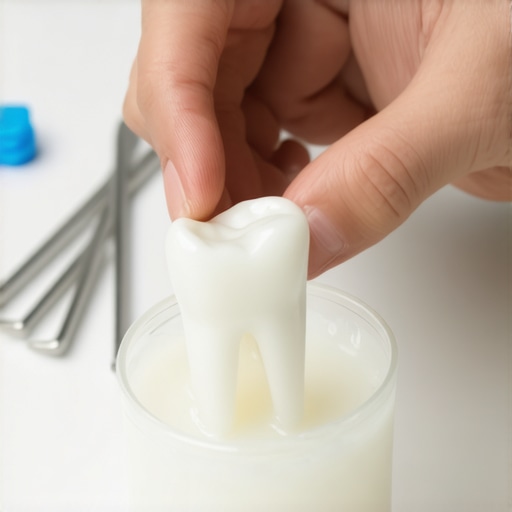
Keeping the tooth moist is crucial. Milk is the best option because of its balanced pH and nutrient content, preserving the periodontal ligament cells longer than water or saliva. If milk is unavailable, saliva (by placing the tooth between the cheek and gum) is acceptable temporarily. Avoid dry storage, as it can cause cell death and reduce reimplantation success. I once forgot to bring milk during a post-soccer mishap and used my own saliva; seeing the quick revival of the tooth’s viability reinforced the importance of proper storage mediums.
Secure in Transit
Once stored appropriately, place the tooth in a sealed container or cup of milk, and keep it at body temperature—don’t freeze or refrigerate. Carry this container with you while heading to the dentist. During a weekend camping trip, I kept a knocked-out tooth in a small container of milk in my backpack, ensuring it remained moist until professional help was reached. This quick step can greatly increase the likelihood of successful reimplantation.
Handle the Emergency with Care
Minimize movement of the tooth during transfer—any unnecessary jostling can damage the root surface or surrounding tissues. If bleeding, press a clean cloth gently on the socket. Once at the dental clinic, inform your practitioner immediately. Remember, time is of the essence — every minute counts in saving the natural tooth. For ongoing oral health maintenance, consider regular professional cleanings at https://periodontistcare.com/why-professional-cleanings-reach-what-your-electric-toothbrush-misses, which can catch issues before they escalate.
Follow-Up Is Key
After reimplantation, your dentist may stabilize the tooth with a splint for a few weeks and monitor healing. Be vigilant with your oral hygiene and avoid biting hard foods initially. If you’re curious about ensuring long-term durability of dental restorations like crowns, explore options such as zirconia at https://periodontistcare.com/the-benefit-of-choosing-zirconia-crowns-over-traditional-porcelain for a resilient solution.
Debunking Common Myths About Flossing and Brushing
Most people believe that brushing vigorously and flossing excessively will lead to healthier gums, but in reality, aggressive techniques can do more harm than good. Overly hard brushing can erode enamel and cause gum recession, which ironically increases sensitivity and risk of decay. According to a study published in the Journal of Periodontology, gentle but effective cleaning is preferable, emphasizing the importance of proper technique over brute force. If you’re unsure whether you’re brushing correctly, consider consulting your dental hygienist or reviewing these expert tips.
The Role of Advanced Materials in Crowns
Many patients assume that all dental crowns are equally durable, but the truth is, material choice significantly impacts longevity and appearance. While traditional porcelain-fused-to-metal crowns can be prone to chipping or discoloration over time, newer options like zirconia crowns offer superior strength and a more natural look. Research from the American Academy of Cosmetic Dentistry highlights zirconia as a preferred material for back molars due to its durability. Exploring this article can help you understand why upgrading to zirconia crowns might be beneficial for long-term results.
Advanced Cleaning Techniques That Protect Your Gums
Many believe that brushing alone is enough for comprehensive oral health, but neglecting professional cleanings can lead to hidden plaque buildup in hard-to-reach areas. The additional benefits of deep cleanings include removing tartar from beneath the gum line and reducing the risk of periodontal disease. Skipping these appointments is a common mistake that could silently undermine your oral health over time.
Why You Shouldn’t Ignore Bleeding Gums
It’s a myth that bleeding gums are just a sign of brushing too hard. Persistent bleeding often indicates underlying gum disease, which, if untreated, can lead to tooth loss and systemic health issues like heart disease. Regular check-ups and proper oral hygiene habits, such as gentle flossing and using an antimicrobial mouthwash, can mitigate these risks. For more insights, see this detailed guide.
Addressing the Sophisticated Query: Can Receding Gums Return to Normal?
For the advanced reader asking whether gum recession is reversible, evidence suggests that while some degree of tissue regeneration is possible with early intervention, severe recession often requires surgical procedures like gum grafting. Maintaining excellent oral hygiene and addressing issues like plaque accumulation and bite misalignment can prevent further recession. According to a review in Periodontology 2000, early treatment can sometimes restore gum health, but advanced cases usually necessitate more invasive solutions. It’s crucial to consult your dental professional to assess your specific situation before attempting any remedies yourself.
Is there a common mistake you’re making in your oral health routine? Have you ever fallen into this trap? Let me know in the comments, and remember, understanding these nuances can make all the difference in maintaining a healthy, confident smile.
Maintaining your oral health over time requires more than just regular brushing and flossing; it involves investing in the right tools and adopting effective routines that safeguard your smile for years to come. Personally, I prioritize equipment that combines durability with proven effectiveness, ensuring that my daily oral care is both efficient and gentle. One such tool I can’t live without is a high-quality electric toothbrush, like the Sonicare DiamondClean. Its sonic technology delivers over 30,000 brushbeats per minute, providing a superior clean compared to manual brushing. The built-in timer also encourages proper brushing duration, which is crucial for removing plaque effectively and preventing future issues.
Another indispensable instrument in my routine is a water flosser, especially for those hard-to-reach areas or braces wearers. The Waterpik Aquarius, for example, uses pulsating water streams to dislodge debris and reduce inflammation, offering a gentler alternative to traditional string flossing while delivering comparable or even superior plaque removal. Regular use of this device can significantly lower the risk of gum disease and cavities, making it a worthy investment.
For in-office treatments, I recommend scheduling professional cleanings every six months, or as advised by your dentist. During these visits, tools like periodontal scalers and ultrasonic devices are utilized to remove tartar buildup that your home routine might miss. Research in the Journal of Periodontology suggests that professional cleanings are vital for preventing periodontal disease and maintaining overall health. Incorporating regular professional care complements your daily routine and ensures that hidden spots, like the areas behind molars or under crowns, remain free of plaque.
A tip I often share with patients is to use an interproximal brush for cleaning around crowns, bridges, or braces. Unlike traditional floss, these small, cone-shaped brushes can access tight spaces more thoroughly, reducing the incidence of decay adjacent to restorations. When paired with an antimicrobial mouthwash—such as chlorhexidine rinse—you can further inhibit bacterial growth and promote healthier gums.
Looking ahead, the trend in dental maintenance is moving towards smart technology. Devices integrated with apps can offer feedback on brushing habits, guide you on pressure applied, and even track progress over time. I predict that in the near future, AI-powered tools will personalize oral care routines based on individual risks and needs, elevating preventive care to new heights.
**How do I keep my dental tools in top shape?** Regularly replacing brush heads (every three months or sooner if frayed) and cleaning your water flosser according to manufacturer instructions are keys to consistent performance. Additionally, storing tools in a dry, clean environment prevents bacteria buildup.
To maximize your routine, I recommend trying a professional-grade electric toothbrush combined with a water flosser. These tools, when used consistently, can dramatically improve your long-term oral health and help maintain your smile’s beauty and function. If you haven’t integrated these yet, start today and notice the difference—your teeth will thank you! For a deeper dive into maintaining stubborn plaque or preservative crown care, explore more at this article.
What I Wish I Knew Before My First Emergency
One of the most eye-opening lessons I learned is that quick, confident action can make all the difference when dealing with dental emergencies. I once hesitated for just a moment, thinking about the best way to handle a knocked-out tooth, only to realize that overthinking costs precious time. Trust your instincts, and remember that keeping the tooth moist in milk or saline is essential—don’t let hesitation lead to regret. The earlier you respond, the better your chances of saving the natural tooth.
Tools That Keep Me Smiling
Over the years, I’ve curated a set of trusted tools that support my oral health journey. A high-quality electric toothbrush like the Sonicare DiamondClean ensures deep, gentle cleansing, while a Waterpik water flosser offers an effective way to reach tricky spots without damaging gums. Investing in these has transformed my daily routine, making it easier and more effective to maintain healthy teeth and gums. For detailed guidance, check out this resource.
Embracing the Power of Consistency
Real change happens when small habits become regular practices. I discovered that scheduling professional cleanings at least twice a year helps prevent issues before they escalate, especially in hard-to-clean areas. Combining this with consistent home care, like gentle brushing and proper flossing, creates a powerful defense against cavities and gum disease. Remember, your smile reflects the effort you put in; it’s never too late to start building habits that make a tangible difference.
Taking Control of Your Oral Health Future
Now is the perfect time to take that first step toward a healthier smile. Whether it’s investing in your daily tools or scheduling that dental check-up you’ve been postponing, every action counts. The advances in materials like zirconia crowns and deep cleaning techniques offer solutions that can last for decades—so why not start today? Your future self will thank you for the effort you make now to maintain confidence and comfort. Don’t hesitate—your journey to optimal oral health begins with a single, informed choice.
What’s one small change you’re willing to commit to today that could improve your dental health? Share your thoughts below and start making those positive changes now!
.