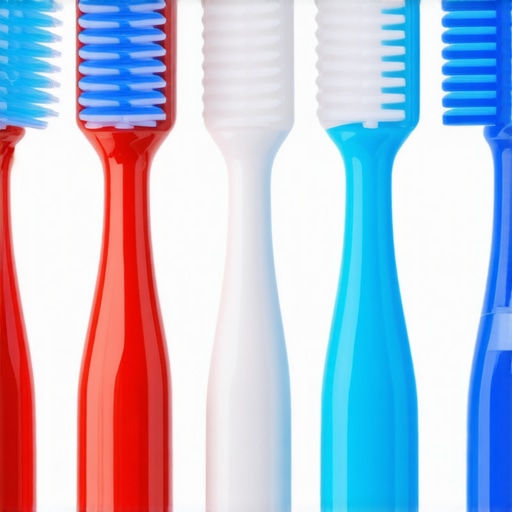
I remember the exact moment I realized I was using the wrong toothbrush for my receding gums. It was a exhausting morning, and after a routine brush, I noticed a strange tenderness along my gumline. That discomfort was my lightbulb moment—what I was doing was making things worse. If you’ve experienced similar feelings, you’re not alone. Many folks overlook a crucial detail when caring for their gums, especially as they get older and notice their gums pulling away or feeling more sensitive.
Why Choosing the Right Toothbrush Matters When You Have Receding Gums
Receding gums can be a red flag for periodontal issues, and the wrong toothbrush can inadvertently accelerate the problem. It’s not just about having a clean mouth; it’s about protecting a vulnerable, already compromised gumline. From my personal experience and countless discussions with dental professionals, I can tell you that selecting the right toothbrush isn’t a minor detail—it’s a vital part of your oral health routine. If you don’t use a brush tailored to your needs, you risk worsening gum recession, triggering sensitivity, and even losing teeth later on.
Is All the Buzz About Soft Bristles Just Marketing? My Early Mistake
Initially, I believed that any soft-bristled toothbrush would do the trick. Turns out, there’s more to it. I made the mistake early on of just grabbing whatever was on sale, thinking softer bristles meant better care. That was a mistake I paid for in discomfort and ongoing gum damage. It’s essential to understand that not all soft brushes are equal—some have the right design to clean effectively without harming delicate gums. For more detailed guidance, check out [this article](https://periodontistcare.com/why-you-should-never-use-a-toothpick-to-remove-stuck-food), which discusses safe dental practices.
So, why is the right toothbrush so crucial? Because your gums deserve gentle, effective cleaning that doesn’t aggravate recession. In the next sections, I’ll share proven tips and expert advice to help you find the best toothbrush that suits your specific needs, ensuring you’ll protect your smile for years to come.
Target Gentle, Effective Brushing Techniques
Start by choosing a toothbrush with ultra-soft bristles designed specifically for sensitive gums. I remember swapping out my old brush with a high-quality soft-bristled model I found after reading a detailed review. Hold the brush at a 45-degree angle to your gumline, and use gentle circular motions—don’t scrub aggressively. This prevents further recession and removes plaque without damaging your delicate gum tissue.
Master the 2-Minute Rule
Set a timer and brush for at least two minutes, covering all zones—front, back, top, and your tongue. When I implemented this habit, I noticed my gums felt less tender and my overall oral health improved. ConsFAntly brushing too little or rushing can leave deposits that exacerbate recession, so allocate dedicated time to each session.
Optimize Your Technique with Proper Tools
Use a soft or extra-soft toothbrush rated for sensitive gums. Avoid hard-bristled brushes—they can act like a wire brush on your gums, similar to using a metal scrubber on delicate fabric. To reinforce this, I replaced my old brush with a high-grade model recommended by my dentist, which significantly reduced gum irritation. Remember to replace your toothbrush every three months to ensure optimal cleaning without bacteria buildup.
Employ Proper Brushing Pressure
Think of your gums as fragile silk—pressing too hard is like tugging on fragile fabric, causing tears. I used to apply excessive force before realizing it was causing my gums to recede. Light, gentle strokes are enough to dislodge plaque while protecting your gumline. Consider using an electric toothbrush with pressure sensors that alert you if you’re pressing too hard—this simple tech helped me avoid unintentional damage.
Supplement with Flossing and Rinsing
Floss daily with a gentle, waxed floss to remove debris between teeth—this less aggressive method prevents unnecessary gum trauma. Additionally, rinse with an alcohol-free, fluoride-rich mouthwash to soothe and reinforce your gums. I learned this trick from my dentist during a routine appointment—adding rinsing significantly reduced inflammation and improved healing.
Be Mindful of Do’s and Don’ts
A common mistake is rinsing immediately after brushing, which washes away protective fluoride. Instead, wait at least 30 minutes after brushing to rinse. Also, avoid using toothpicks or other sharp tools—they can puncture or damage receding gums. Instead, opt for interdental brushes or water flossers, which are gentler and more effective.
Regular Professional Cleanings and Checkups
Schedule a deep-cleaning session with your dentist at least twice a year to remove tartar buildup that cannot be addressed at home. During my last appointment, my hygienist used a special periodontal scaler, which cleaned beneath the gumline safely. Regular visits catch issues early—preventing recession from worsening and ensuring your cleaning technique remains effective.
Embrace a Holistic Approach
Incorporate dietary choices that support gum health, like vitamins C and D, and reduce sugar intake to prevent plaque accumulation. I started adding a vitamin C supplement to my routine after reading about its role in collagen maintenance—my gums felt firmer and healthier over time. Remember, maintaining oral health is a combination of good cleaning habits, proper tools, and professional care.
When it comes to maintaining optimal oral health, many assume that a simple brush and floss routine suffices. However, beneath the surface lies a series of misconceptions and overlooked details that can significantly impact long-term dental outcomes. Let’s dig deeper into some of these nuances that even savvy patients often miss.
One common myth is that all toothbrushes are equally effective. While soft bristles are generally recommended for gum protection, not all soft brushes are created equal. Design features such as head size and bristle arrangement can influence plaque removal efficiency. Some patients mistakenly believe that an electric toothbrush is unnecessary, but studies show that electric models with proven pressure sensors and oscillating heads can provide superior cleaning, especially for those with limited dexterity or periodontal issues.
A frequent trap involves the assumption that flossing is optional or redundant if you brush thoroughly. In reality, interdental cleaning tools like water flossers or interdental brushes can be far more effective at removing debris from tight spaces and below the gumline, reducing the risk of recession and cavities. Overzealous flossing, however, can cause gum trauma—so moderation and proper technique are key. To get it right, consult trusted guidance such as this detailed explanation of flossing techniques.
An advanced misunderstanding revolves around crowns: many believe that once a crown is placed, it requires no further attention unless it falls out. Yet, crowns can trap plaque and bacteria if not cleaned properly, leading to decay or gum inflammation underneath. Choosing durable crowns like zirconia can minimize wear and discoloration, but regular professional cleanings are essential to prevent peri-implantitis or recurrent decay. For instance, a faulty crown can silently cause problems; learn more about how to avoid this scenario.
Now, a question I often get from more discerning readers: “How does my bite alignment influence my overall oral health, especially in the context of crowns and restorations?” Proper alignment reduces uneven wear and prevents temporomandibular joint (TMJ) issues, which can exacerbate tooth damage and discomfort. Misaligned bites can place extra stress on existing crowns, leading to cracks or dislodgement. Therefore, comprehensive assessment and, if necessary, orthodontic correction should be integrated into the treatment plan. For a deep dive into this topic, see this expert overview.
What about the role of diet and nutrition? Many overlook how sugar substitutes or acidic foods can erode enamel or promote decay, especially after restorative procedures. Incorporating foods rich in calcium and vitamin D can strengthen teeth, and avoiding frequent snacking on sticky, sugary treats minimizes acid attacks. Remember, maintaining oral health is a holistic effort that extends beyond brushing.
In sum, effective dental care requires attention to detail and a willingness to challenge common assumptions. From choosing the right toothbrush and floss to understanding the implications of crowns and bite alignment—each factor plays a vital role in preserving your smile. Have you ever fallen into this trap? Let me know in the comments, and stay proactive with your dental knowledge.When it comes to maintaining your oral health over the long term, having the right tools makes all the difference. Personally, I rely on a combination of high-quality equipment and proven techniques that help me keep my gums healthy and prevent issues like recession or decay. One essential item I swear by is the **Quip Electric Toothbrush**. Its gentle oscillating action and built-in pressure sensor ensure I brush effectively without risking gum damage. I prefer electric models with soft bristle settings because they provide consistent cleaning power without the risk of applying too much force, which can be detrimental especially if you have sensitive or receding gums. Regular replacement of the brush head—every three months—is crucial to avoid bacterial buildup and maintain optimal cleaning efficiency. Another tool I’ve found indispensable is a **Waterpik Water Flosser**. Unlike traditional floss, the water flosser’s pulsating stream reaches deep into periodontal pockets, removing plaque and debris gently but thoroughly, preventing gum pocketing and recession. I specifically opt for models with adjustable pressure settings, so I can tailor the intensity based on my needs and avoid unnecessary trauma to my gums. When dealing with crowns or bridges, I find that specialized interdental brushes designed for tight spaces, like the TePe Interdental Brush, are game-changers. They gently clean around these restorations without risking dislodgement or damage—something a toothpick might cause, according to experts. In terms of maintenance, I always follow the 2-minute rule, dedicating enough time to thoroughly clean every zone in my mouth, from molars to the tongue. Consistent, deliberate cleaning with the right tools not only prevents long-term problems but also enhances healing and oral function. As the trend in dental technology advances, I predict we’ll see even smarter brushes equipped with AI to monitor and adapt cleaning patterns, providing personalized feedback for optimal gum health. This evolution will empower patients to take proactive roles in their oral care, reducing dependence on frequent visits for minor issues.
How do I keep my tools effective over time?
Regularly replacing brush heads, descaling water flosser nozzles, and cleaning interdental brushes are critical steps. Also, always store your tools in a clean, dry place to prevent bacterial growth. Don’t forget to schedule professional cleanings at least twice a year, where your hygienist can use specialized equipment to remove tartar buildup that at-home tools can’t reach—similar to the deep-cleaning procedures described here. To ensure your tools work at their best, I recommend setting reminders for replacements or scheduled maintenance. Trying out a high-quality electric toothbrush with pressure sensors and combining it with a water flosser might sound like an investment, but it’s a game-changer for your long-term oral health. Trust me, the peace of mind knowing you’re doing everything possible to protect your gums and teeth is worth it.
The Leader I Didn’t Expect in Gum Health
One of the most profound lessons I learned is that my own habits and assumptions could work against me unknowingly. I once believed that brushing harder would remove more plaque, but I soon realized it was doing more harm than good—accelerating gum recession. That revelation taught me to be more mindful and gentle, focusing on technique over force, which dramatically improved my gum health and overall well-being.
Tools That Transformed My Daily Routine
In my quest to protect my gums, I discovered that investing in high-quality, gentle tools was essential. An electric toothbrush with a pressure sensor made me more aware of my brushing force, while a water flosser gently reached areas traditional floss missed. These tools were game-changers, turning everyday habits into powerful allies for maintaining a healthy, recession-free gumline. I highly recommend exploring professional-grade options and reading trusted reviews to find what works best for you.
Emotional Wake-Up Call and Staying Vigilant
Realizing that my gums were receding was emotionally impactful—it made me appreciate the delicate balance of oral health more than ever. This experience underscored the importance of regular dental checkups and early intervention. I now see oral care as a lifelong commitment, not a quick fix, and I encourage you to stay proactive, listen to your body, and seek professional advice whenever in doubt. Remember, small changes today can prevent significant problems tomorrow.