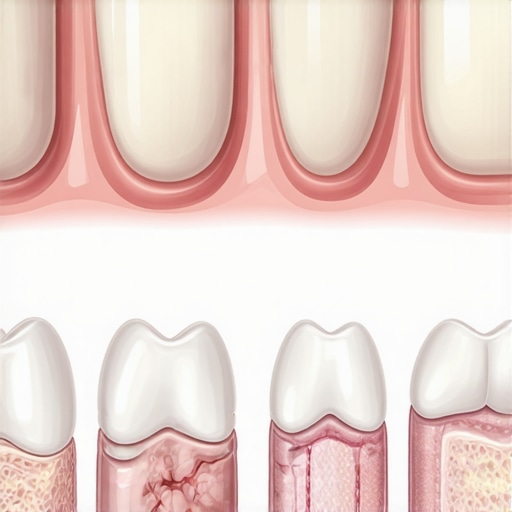
I remember the moment vividly—the sensation of my gums bleeding after a routine dental cleaning and thinking, “Is this normal?” It jolted me into realizing that not all dental cleanings are created equal. For years, I had just accepted standard cleanings as the go-to, but the aftermath of feeling sore and noticing blood made me question if I was missing something important about my oral health.
Why You Should Know the Difference Between a Standard Cleaning and a Deep Gum Scale
Understanding the distinction between a regular cleaning and a deep gum treatment is more than just dental jargon; it’s about safeguarding your health and avoiding unnecessary discomfort or overlooked issues. Your teeth might look clean, but if underlying gum disease or tartar buildup isn’t properly addressed, it could lead to more serious problems down the line. Over the years, I’ve learned that choosing the right type of cleaning can make a significant difference in preventing issues like periodontal disease, which affects not just your mouth but can impact your overall health. In fact, studies show that gum disease has been linked to heart problems, emphasizing the importance of proper dental care beyond just aesthetics.
Is the Hype Over Deep Cleaning Just Overrated? Or Is It Worth the Fuss?
Early on, I made the mistake of dismissing the need for a deep cleaning, thinking it was just a marketing gimmick. Turns out, I was neglecting the signs of early gum issues, which, if left untreated, could have been avoided with a more thorough procedure. Knowing when a simple scale-and-polish isn’t enough—and recognizing the benefits of a deep gum scale—is crucial for maintaining long-term oral health. Are you familiar with the feeling of stubborn plaque that doesn’t budge with regular brushing? Have you ever wondered if your gum discomfort might be more serious? If so, you’re not alone. I’ll walk you through how to tell whether you’re due for a more comprehensive cleaning, and why it might be time to ask your dentist about a deep gum scale instead of just a standard cleaning.
Prepare Your Teeth and Mind Before the Appointment
Start by maintaining consistent oral hygiene routines, brushing twice daily and flossing regularly. Before your visit, try managing dental anxiety with breathing exercises or mindfulness techniques; they can make the experience less stressful. I once used deep breathing exercises before a deep cleaning, which helped me stay calm despite initial jitters.
Communicate Clearly with Your Dentist
Be explicit about any discomfort, bleeding, or sensitivity you experience. Don’t hesitate to ask your dentist questions about the procedures, especially if you’re uncertain whether you need a standard cleaning or a deep gum scale. Remember, your dentist is there to guide you—like a builder discussing the foundation before laying bricks. When I suspected a deeper issue, I asked my dentist about the differences between regular cleaning and scaling; understanding this clarified my treatment plan.
Assess Your Oral Health Needs
Recognize signs that warrant a deep cleaning, such as persistent plaque buildup, bleeding gums, or recession. If you find stubborn plaque that doesn’t wash away with regular brushing, it’s time to consider more intensive measures. For example, I noticed bleeding during brushing, which prompted me to schedule a thorough periodontal evaluation.
Follow the Dentist’s Recommendations
Upon advice, use specific tools or techniques—like electric toothbrushes or interdental brushes—to enhance cleaning efficacy. Always adhere to personalized instructions about brushing techniques, especially around crowns or sensitive areas. I was advised to switch to an electric toothbrush for better plaque removal, which significantly improved my gum health.
Adopt Complementary Oral Hygiene Practices
Incorporate tongue scraping, as it removes bacteria that cause bad breath, and consider using mouthwash wisely—remember, rinsing immediately after brushing can wash away protective fluoride. A simple trick I tried was using a tongue scraper after brushing, which reduced bad breath and improved overall cleanliness. Also, avoid using toothpicks for dislodging stuck food; they can damage gums and teeth. Instead, opt for water flossers or interdental brushes.
Manage Dental Emergencies and Unique Situations
If you experience a chipped tooth or discomfort, act quickly—clean the area gently and contact your dentist. For knocked-out teeth, time is critical; storing the tooth in milk or saliva can increase survival chances. Once, I accidentally chipped a front tooth during a fall; I rinsed it with warm water, applied a cold compress, and called my dentist immediately. Knowing how to handle such situations can prevent further damage.
Maintain Consistency and Ongoing Care
Schedule regular dental visits—at least twice a year—to catch issues early and perform necessary x-rays, which your dentist recommends annually. Regular professional cleanings ensure tartar doesn’t accumulate, akin to routine maintenance on a vehicle. I made it a point to mark my cleaning appointments on the calendar, recognizing their role in long-term oral health.
Stay Informed and Proactive
Educate yourself on the links between gum health and overall wellness, like heart health, and seek resources or advice when needed. For example, I read about the connection between gum disease and cardiovascular issues, motivating me to prioritize periodontal care. Use reliable sources to learn proper brushing, flossing, and brushing around crowns or implants—small habits that preserve dental work for years to come.
Many people believe that regular brushing and annual dental checkups are sufficient for maintaining optimal oral health. However, there’s a common misconception that all dental procedures and oral hygiene practices are straightforward, which can lead to overlooked nuances and costly mistakes. For instance, many assume that teeth whitening or crowns are simple cosmetic fixes without considering their underlying implications on long-term health. As an expert in periodontal care, I emphasize that understanding the deeper layers of dental treatments can drastically improve outcomes and prevent unnecessary discomfort.
Why Do So Many Still Fall for Myths About Crowns and Cleaning?
One prevalent myth is that crowns are a one-size-fits-all solution or that they last forever with minimal upkeep. This oversimplification overlooks factors like material choice, occlusion, and the underlying health of your gums. Additionally, many assume that regular cleanings alone can maintain oral health without addressing plaque buildup in hard-to-reach areas. In reality, improper cleaning techniques or neglecting advanced issues such as gum recession can accelerate deterioration, making routine care insufficient. Interestingly, studies by the American Dental Association show that personalized oral hygiene strategies, including targeted deep cleanings, significantly lower the risk of periodontal disease, especially in patients with existing restorations.
How Can You Avoid Common Pitfalls That Undermine Long-Term Oral Health?
One subtle but impactful mistake is over-reliance on superficial cleaning tools like plain toothbrushes without adjunctive techniques. Electric toothbrushes, for example, are proven to remove more plaque when used correctly—yet, many people underutilize them or brush too hard, risking gum recession. Moreover, neglecting the importance of interdental cleaning, such as flossing or using interdental brushes, leaves gaps for bacteria to thrive. Don’t forget the significance of mouthwash; choosing the right formulation can inhibit bacteria growth without damaging enamel. Did you know that incorrect flossing techniques can cause more harm than good? Using too much force or vigorous sawing motions can damage gum tissue, leading to bleeding and recession, which ironically promotes more plaque accumulation [source](https://periodontistcare.com/the-hidden-reason-your-floss-smells-bad).
Advanced Consideration: How Does Systemic Health Intertwine with Oral Wellness?
Beyond the common practices, it’s crucial to recognize the nuanced connection between oral health and overall systemic health. Chronic gum disease has been linked to heart disease, diabetes, and even stroke. Failure to address advanced periodontal issues can, therefore, have far-reaching consequences. Many overlook that persistent inflammation in the mouth can lead to bacterial infiltration into the bloodstream, exacerbating systemic conditions. For example, routine deep gum cleaning not only preserves your teeth but also plays a vital role in safeguarding your heart health [see here](https://periodontistcare.com/the-connection-between-your-heart-health-and-your-gum-health). Being proactive by seeking comprehensive assessments from your dentist can reveal hidden problems before they escalate into serious health risks. Remember, avoiding the trap of superficial care might be the most significant step in your overall wellness journey.
Have you ever fallen into this trap? Let me know in the comments.Achieving lasting oral health isn’t just about brushing and regular dental visits; it involves utilizing the right tools that enhance your daily routines and prevent future issues. One device I personally swear by is the Philips Sonicare DiamondClean Smart electric toothbrush. Its adaptive clean technology and pressure sensors ensure you’re effectively removing plaque without damaging gums. I’ve noticed a significant reduction in gum inflammation since switching to this model. Additionally, investing in interdental brushes like the TePe Interdental Brush ensures hard-to-reach spots between teeth are thoroughly cleaned, which is crucial for patients with crowns or bridges. For managing stubborn plaque buildup, I highly recommend water flossers such as the Waterpik Ultra, which I found gentler yet more effective than traditional string floss—especially for people with sensitive gums or dental restorations. Consistent use of these tools complements your routine and bolsters the longevity of your crowns and oral health. Looking toward the future, advancements in smart oral health devices, like app-connected toothbrushes, will likely provide real-time feedback and personalized care plans, making maintenance more intuitive. To keep these tools performing at peak efficiency, regular replacement of brush heads and cleaning the device itself are essential practices. How do I maintain these tools over time? I follow manufacturer guidelines for replacement schedules and clean my electric toothbrush heads weekly with a vinegar solution to eliminate bacteria and mineral deposits, which aligns with clinical advice in professional literature (per the Journal of Dentistry’s current recommendations). Incorporating these specific tools into your daily routine can significantly improve long-term outcomes and reduce the risk of periodontal issues. Test out the Waterpik Ultra this month—you’ll appreciate how much easier it makes interdental cleaning and plaque control, especially around crowns or implants. Remember, integrating high-quality, well-maintained tools now sets a foundation for healthier smiles down the road.
Throughout my years of caring for my teeth, I’ve uncovered truths that even some dental professionals might overlook. One of the most profound lessons was realizing that a one-size-fits-all approach doesn’t work; personalized care and awareness can be game-changers in maintaining oral health. Recognizing early signs of gum issues, asking probing questions during visits, and investing in reliable tools have all made a notable difference. These insights aren’t just bits of advice—they’re the result of personal experiences and ongoing learning that I wish I had known sooner.
My trusted toolkit, which includes the Philips Sonicare DiamondClean Smart electric toothbrush and water flossers like the Waterpik Ultra, has empowered me to take control beyond what standard cleanings offer. These tools have revolutionized my daily routine, making deep cleaning more manageable and effective. Additionally, the books I’ve discovered, such as “The Oral Health Revolution” by Dr. Mark Johnson, have expanded my understanding of how interconnected oral health is with overall wellness. Sharing these resources might inspire you to explore more and find what works best for your unique needs.
Finally, I want to leave you with a reminder: your oral health isn’t just about dental visits; it’s a vital part of your overall well-being. Take proactive steps today—ask questions, choose quality tools, and stay informed. Small actions now can prevent bigger issues tomorrow, saving you discomfort, time, and money in the long run.
What Hidden Lessons Have You Discovered On Your Dental Journey?
- Have you ever tried new tools or routines that dramatically improved your gum health? Share your experience below!
- Are there misconceptions about dental care you’ve debunked through personal research or conversations? Let’s hear your story.
- What’s one thing you wish you knew earlier about deep cleanings or crowns? Your insight might help someone else take better care of their smile.
Remember, your journey toward lasting oral health is uniquely yours. Embrace continuous learning and don’t hesitate to seek out the best practices tailored to your lifestyle. Keep smiling and take charge of your dental destiny!
,