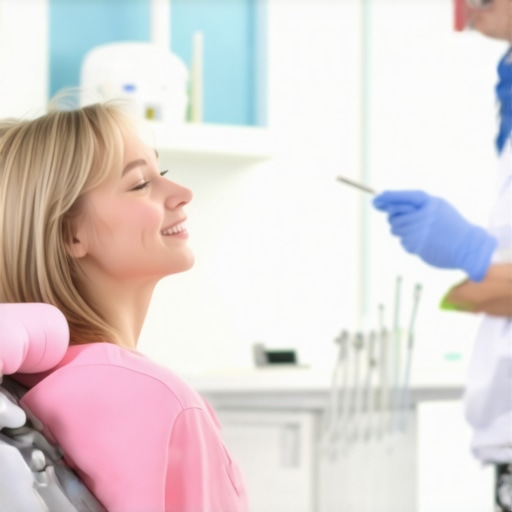
It hit me in the waiting room, heart pounding, palms sweaty. The familiar dread of sitting in that dental chair crept up again, even though I knew I needed to get my family’s teeth checked. That moment of realization made me wonder: why does managing dental anxiety feel so overwhelming, especially when it’s for loved ones? If you’ve ever felt your stomach turn at the thought of appointment day, you’re not alone. But here’s the truth—what if there was a way to transform that fear into calm confidence?
Why Facing Your Dental Anxiety Matters
Dental anxiety isn’t just about being a little nervous; it can stop us from taking essential steps to keep our smiles healthy. I learned this the hard way when I kept delaying my own check-ups, thinking I could “tough it out.” Soon enough, minor issues turned into big problems, and I started noticing how my worries affected my overall well-being. According to the American Dental Association, untreated dental anxiety can lead to neglecting oral health, which is linked to other serious health issues like heart disease here.
So, managing this fear isn’t just about comfort—it’s crucial for long-term health. When I finally faced my own anxiety head-on, I discovered practical strategies that eased my mind and even made the experience more manageable for my children, too. The good news? You don’t have to let anxiety dictate your next visit.
But let’s be honest—it’s easier said than done, right? That lingering fear of pain, the sound of the drill, the intimidating tools—those images can make your stomach churn even before stepping into the office. I remember making early mistakes, like trying to ignore the dread entirely or assuming that comfort treatments were just a luxury. Trust me, that’s a mistake. Instead, I found that preparation and the right mindset can make all the difference.
Will This Really Help Me? The Skeptic’s Doubt
Admittedly, I was skeptical at first. Can simple breathing exercises or distraction techniques really calm my racing mind? I doubted it, just like I doubted whether my child’s first visit could be stress-free. But I was surprised to find that small, intentional steps had a big impact. If you’ve tried everything and still feel stuck, don’t worry—you’re not alone, and there are effective ways to make the experience better. Some folks even discover that managing anxiety can be as straightforward as changing your mindset or learning how to communicate your fears better with your dentist. Want to start making progress today? Let’s dive into the methods that worked for me and my family, and they might work for you too.
Prepare Your Mind Before the Appointment
Start by visualizing a positive outcome—the calm, smooth experience you want. A micro-story: I once spent five minutes visualizing my child’s favorite cartoon while breathing deeply, which helped reduce her tears during her first cleaning. Practice deep, slow breaths—inhale for four seconds, hold for four, exhale for four. This technique signals your body to relax and has been proven to lower anxiety quickly. Repeat during any tense moments to regain control.
Communicate Your Fears Clearly
Before your appointment, call your dentist and share your concerns. Clear communication is like a roadmap—it guides the staff to support you better. For example, I told my dentist about my fear of the sound of drills and requested a stress-relief break. They gladly accommodated, making the experience more manageable. Remember, your dental team wants your visit to be comfortable. Don’t hesitate to ask questions or request breaks during the procedure.
Utilize Distraction Techniques Effectively
Distraction can shift your focus away from discomfort. Bring headphones and listen to calming music or an engaging podcast. When I had a crown replaced, I popped in my earbuds and played my favorite jazz. I found that focusing on the melodies lessened the sensation of the drilling. Some people find counting or visualizing a peaceful place equally effective. Experiment and find what pulls your focus away from anxiety.
Choose the Right Environment
Comfort starts with your surroundings. Schedule your appointment at a time when you’re well-rested and avoid caffeine. A clutter-free, welcoming clinic atmosphere reduces stress. When I scheduled my visit in the morning, I felt more alert and less anxious, leading to a smoother appointment.
Implement Practical Self-Care Routines
Maintain good oral health to prevent surprises during visits. Brush twice daily with fluoride toothpaste and floss regularly. For children, gradual introduction to brushes reduces fear—check out this guide on transitioning your child to their first adult toothbrush. When I incorporated a morning and evening hygiene routine for my kids, their dental visits became routine rather than stressful adventures.
Leverage Education to Demystify Procedures
Knowledge dispels fear. Watch educational videos or read simple explanations about dental procedures. I used animated videos explaining cleanings and crowns, which helped my son understand what to expect. This approach reduces uncertainty and builds trust. When you’re aware of each step, it’s easier to stay calm and cooperative.
Practice Post-Visit Relaxation
Reward yourself after the appointment. Gentle stretches, a favorite snack, or a relaxing shower reinforce positive associations. After my last visit, I treated myself to a favorite smoothie, which relaxed both my mind and mouth. Small rewards reinforce the message: a dental visit isn’t a punishment, but a step toward health and well-being.Many individuals believe that brushing twice daily with fluoride toothpaste is all it takes to maintain oral health, but this overlooks some crucial nuances. For example, the type of toothbrush matters: studies show that electric toothbrushes can significantly reduce plaque more effectively than manual brushing, especially for those with limited dexterity here. Additionally, a common myth is that flossing is unnecessary if you use mouthwash regularly; however, flossing is uniquely capable of removing plaque from between teeth and beneath the gumline, areas mouthwashes can’t reach. Overlooking this step can lead to unnoticed caries and gum disease.
A vital but often missed detail is the importance of the sequence in oral hygiene routines. Flossing before brushing can improve fluoride contact with interdental areas, enhancing cavity prevention. Many skip this, missing out on optimal cleaning benefits.
When it comes to family dentistry, a hidden nuance involves gradual exposure. Young children can develop fear if they experience discomfort early on, which hampers future visits. Introducing dental tools gently and letting children practice on their own teeth helps build familiarity and confidence, reducing anxiety here.
For crowns, a critical detail is selecting the appropriate material based on function and location. Not all crowns are created equal; porcelain-fused-to-metal crowns combine strength with aesthetics, making them ideal for molars where chewing force is significant here. Neglecting this can lead to premature failure or a mismatch with surrounding teeth.
Beyond routine care, understanding the subtle signs of oral health deteriorations can save you from costly procedures later. For example, persistent bad breath might signal hidden issues like a leaking crown or decay underneath a filling—not just poor hygiene. Being aware of these signs enables timely intervention, preserving overall health.
Advanced misconceptions often involve fluoride usage. Some believe that more fluoride results in whiter teeth or stronger enamel, but excessive fluoride during development can cause fluorosis, leading to white spots or mottling. Proper dosage appropriate for age and exposure is key here.
Finally, professional cleanings do more than freshen breath—they target hidden tartar buildup and prevent periodontal issues. Relying solely on at-home care risks missing these tartar deposits, which can only be removed with specialized tools 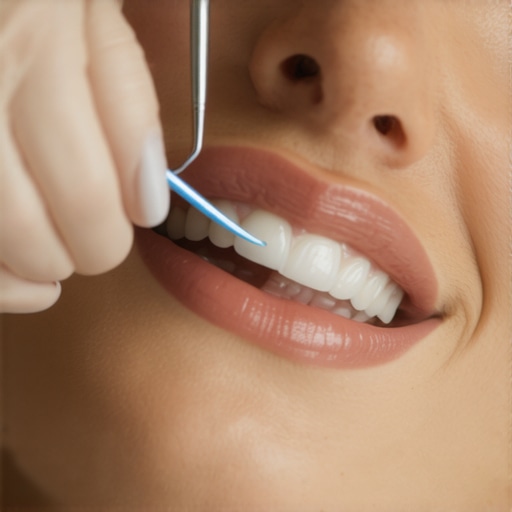 .
.
Understanding these nuances and avoiding common pitfalls enables a truly comprehensive approach to oral health. Have you ever fallen into this trap? Let me know in the comments.Maintaining optimal oral health requires the right tools and methods that go beyond basic brushing and flossing. Personally, I rely on an electric toothbrush with timer and pressure sensors, which helps me ensure consistent and gentle cleaning—vital for combating plaque buildup. Pairing that with dental picks designed specifically for interdental cleaning allows me to reach tight spaces I might miss with floss, reducing the risk of cavities and gum disease. Regular use of an antibacterial mouth rinse supports overall oral hygiene by reducing bacterial load, especially in hard-to-reach areas.
For family dentistry, investing in a quality children’s toothbrush and teaching them correct brushing techniques early on pays dividends. I recommend transition-focused tools like smaller brushes and flavored fluoridated toothpaste, which make routine care more engaging for kids. As they grow, introducing electric models built for smaller hands and incorporating educational games can foster lifelong habits.
Regarding crowns and restorations, selecting durable, well-constructed materials is essential. I suggest porcelain-fused-to-metal crowns for molars subjected to heavy chewing, offering both strength and aesthetics. To maintain these restorations, I use specific cleaning tools like soft-bristled brushes and interdental aids that won’t damage the crown surface. Regular professional check-ups are crucial to identify early signs of wear or failure, saving you from costly replacements.
Looking ahead, the trend in dental technology leans toward digital impressions and AI-assisted diagnostics, promising greater precision and personalized care. Incorporating these advances into your routine ensures long-term success.
How do I keep my dental tools working effectively over time?
To prolong the life and effectiveness of your dental tools, I recommend regular cleaning and replacement according to manufacturer instructions. For example, electric toothbrush heads should be replaced every three months, or sooner if the bristles fray, to maintain optimal plaque removal. Additionally, storing tools in a dry, ventilated environment prevents bacterial growth. Investing in high-quality equipment from reputable brands ensures durability and performance. Using a toothbrush with a built-in timer, like the Sonicare or Oral-B models, guarantees you brush for the recommended two minutes, enhancing overall cleanliness. Remember, even the best tools need regular maintenance to serve you well in the long run. Want to optimize your daily routine? Consider trying a dental cleaning device with advanced features, like pressure sensors or Bluetooth connectivity, to monitor your technique and progress.
The Hardest Lesson I Learned About Keeping Smiles Bright
I realized early on that even the simplest habits, like proper brushing and flossing, have layers of complexity that can dramatically influence oral health. For instance, I used to believe that more fluoride meant whiter teeth, but I discovered that excessive fluoride can cause discoloration, emphasizing the importance of proper dosage here. Embracing educated choices rather than assumptions has been a game-changer in my dental routine.
Small Changes, Big Impact: My Experience with Family Dental Care
Incorporating routine flossing and targeted brush techniques for my children—not just relying on mouthwash—has led to fewer cavities and a more positive attitude towards dental visits. Using kid-friendly tools and gradually exposing them to procedures built their confidence here. Patience and tailored routines make a difference in fostering lifelong oral health habits.
The Power of Knowledge in Demystifying Dental Procedures
Watching educational videos about crowns, like how crowns are placed, helped me understand what to expect, reducing anxiety. When I learned the importance of choosing the right crown material for durability, I felt more empowered to ask my dentist questions and participate actively in my treatment plan. Education truly transforms fear into confidence.
Curating My Dental Toolkit for Peace of Mind
After experimenting with different tools, I settled on an electric toothbrush with pressure sensors and interdental cleaners. Regularly replacing brush heads and storing tools properly ensures longevity and effectiveness. These small adjustments have made my routine more efficient and consequently healthier, proving that investing in quality tools pays dividends in long-term oral health here.
What Unexpected Insights Can Transform Your Dental Path?
One lightbulb moment was realizing that managing dental anxiety isn’t about eliminating fear entirely but developing strategies to coexist with it. Techniques like visualizing positive outcomes, communicating fears openly, and distraction methods—such as listening to calming music—can turn dreaded visits into manageable experiences. Sharing my journey has helped others see that small, deliberate steps can unlock lasting change. So, what’s one minor shift you can implement today to improve your dental visits? Let me know below!