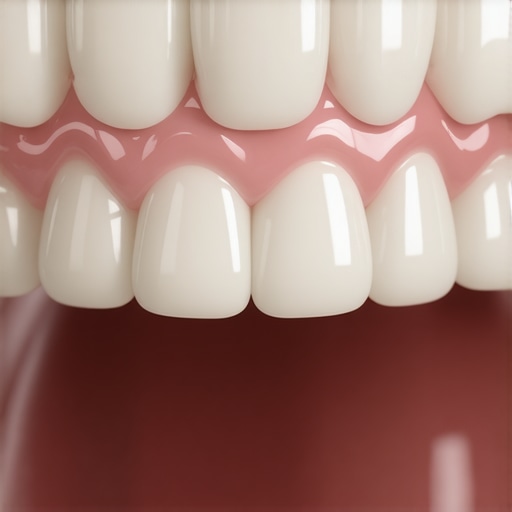
Ever felt that sinking feeling when you bite down on your favorite snack, only to hear a tiny crack or feel a unsettling shift in your dental crown? I’ve been there. One moment, everything seems perfectly fine; the next, you’re questioning whether that crown will hold up through even a basic meal. As someone who’s navigated the complexities of dental repairs firsthand, I understand how nerve-wracking it can be to find a crown that’s truly durable, especially if you grind your teeth.
Why durability makes all the difference in crowns for grinders
When you grind your teeth—sometimes without even realizing it—the stress on dental restorations skyrockets. Traditional crowns might look nice, but if they can’t withstand the relentless pressure, you’re constantly at risk of fractures or even losing the entire crown. I made the mistake early on of choosing a material that looked great and was affordable, only to have it chip within a year. That experience taught me a hard lesson: when it comes to crowns, durability isn’t just a bonus—it’s a necessity.
Ever wonder if there’s a crown material that truly lasts?
Well, I’m here to share what I’ve learned from personal experience and professional insights. Today, we’ll explore the best crowns for people who grind their teeth, taking the guesswork out of your decision. Because let’s face it—dealing with crown failures is never fun, and it’s definitely not what you want for your smile. To make informed choices, I also recommend reading about the most durable crown materials available on the market.
If you’ve ever found yourself worrying whether your crown will stand up to your daily grind, stay tuned. We’re going to tackle the questions you need answered to protect your smile and your investments. Because everyone deserves a crown that’s not just beautiful, but unbreakable—at least as much as possible.
Prioritize Strong Materials for Your Crown
Start by researching crown materials known for their durability. Zirconia and porcelain-fused-to-metal crowns are top contenders. I once visited my dentist with a cracked crown—luckily, I chose zirconia for my replacement, which has held up against my grinding habits.
Choose a Proper Dental Professional
Find a dentist experienced in treating grind-aware patients. Ask about their preferences for crown materials and fabrication techniques. My first attempt was with a general dentist who didn’t have extensive experience; switching to a specialist resulted in a crown that lasts longer and fits better.
Opt for a Custom Fit and Reinforcement
A well-fitted crown reduces stress points that could cause cracks. During my second appointment, the dental technician took extra time to ensure perfect margins. Reinforcing the crown with additional bonding agents during placement can also help withstand grinding forces—something I learned through trial and error.
Combine with Nightguards to Prevent Damage
Wearing a custom nightguard when sleeping minimizes the pressure on your crowns. I started using mine after noticing chips; it dramatically extended the life of my dental work. Consider options like soft,硬nightguards or semi-flexible ones, depending on your grinding severity.
Maintain Your Oral Health Vigilantly
Regular cleanings prevent plaque buildup that can weaken crowns. Incorporate daily flossing, which I find crucial—be gentle to avoid damaging the margins. For extra protection, use fluoride rinses recommended for crown wearers.
Be Mindful of Your Diet and Habits
Limit highly sticky or hard foods that could stress or dislodge your crown. Early in my treatment, I avoided caramel and hard candies, which helped my crown last longer. Additionally, controlling acid intake preserves your enamel and crown integrity.
Stay Informed about Crown Technologies
Keep up-to-date with advancements like new crown materials, which could offer even greater durability. I regularly read articles and consult my dentist to adapt my care plan appropriately.
Implementing these concrete steps has personally helped me prevent crown fractures and prolong their lifespan. Remember, combining quality materials with proper care and professional guidance creates the best defense against the relentless pressure of teeth grinding.
While most people believe that attending routine dental cleanings guarantees a healthy mouth, this oversimplification misses crucial nuances. Contrary to popular belief, teeth cleaning alone isn’t enough to maintain optimal oral health. It’s a common myth that regular cleanings prevent all issues, but in reality, they address only surface-level concerns. Underlying problems like gum disease or enamel erosion often go unnoticed if not supplemented with targeted care and patient awareness.
Is Flossing Too Hard Just as Bad as Not Flossing?
Many assume that aggressive flossing provides better results, but excessive force can damage gums, cause recession, or create micro-tears that invite bacteria. According to a 2020 study in the Journal of Periodontology, proper flossing technique—not brute force—is what truly matters. Remember, gentle, precise flossing effectively removes plaque without harm. Avoiding this common mistake can save your gums from years of unnecessary trauma. For more tips, see why flossing too hard is detrimental.
Similarly, many believe that all dental crowns are created equal. However, there’s a significant difference between materials like gold and ceramic. Gold crowns often outlast ceramic ones, especially in high-stress areas like molars, but misconceptions persist about aesthetics versus durability. Choosing the right material requires nuanced understanding of your habits, bite forces, and long-term needs.
Ignoring the Dangers of Overusing Whitening Products
Over-the-counter whitening kits are tempting for quick results, but overuse can cause irreversible damage. Many don’t realize that frequent bleaching can weaken enamel, increase tooth sensitivity, and even lead to gum irritation. An expert from the American Dental Association emphasized that professional whitening, combined with proper management, offers safer and more effective results. To learn how to keep your teeth white safely, check this guide.
Most importantly, a comprehensive approach—integrating advanced materials, intelligent habits, and professional advice—outperforms simplistic routines. Don’t fall prey to myths that might jeopardize your dental health; instead, stay informed and proactive. Have you ever fallen into this trap? Let me know in the comments. Your smile deserves the truth.
Keeping it working: My favorite tools and methods for long-term dental health
Maintaining the integrity of crowns, ensuring teeth stay clean, and managing oral health over time demands more than just regular brushing. Over the years, I’ve refined my toolkit and adopted specific routines that help my dental work stay durable and my smile bright. One of my go-to tools is a high-quality electric toothbrush, like the Oral-B iO. Its oscillating-rotating motion, combined with AI-powered coaching, helps me brush thoroughly without applying excessive force, which is critical in preserving crown margins and preventing gum recession. For flossing, I swear by a water flosser—my trusted Waterpik Ultra. It effortlessly dislodges debris in hard-to-reach areas and reduces the risk of micro-tears caused by aggressive flossing, aligning with the advice shared in this article.
Another essential is a good-quality mouth rinse. I use a fluoride rinse that also contains stabilizers to remineralize enamel, especially around crowns. Incorporating this into my nightly routine has helped protect against sensitivity and caries at restoration margins. Additionally, I keep a mirror with magnification, which allows me to inspect my oral cavity for early signs of wear or issues. Catching a small crack or marginal leak early can prevent costly repairs or crown replacements. I also regularly utilize a saline solution (saline rinse) for soothing inflammation post-cleaning or if I notice gum soreness. Interestingly, recent studies, such as one published in the journal Dental Materials, emphasize the importance of moisture control and biocompatibility in crown longevity—making tools that maintain optimal oral moisture a part of my long-term strategy.
Looking ahead, I’m excited about integrating smart devices like real-time plaque monitoring sensors and AI-powered oral health apps. These emerging technologies promise to detect issues before they become symptomatic, streamlining preventive care. For example, upcoming advancements allow sensors embedded in toothbrushes that analyze brushing patterns and provide instant feedback, ensuring every brush covers all areas adequately.
How do I maintain my dental repairs over time? The key lies in coupling high-tech tools with disciplined routines: daily gentle brushing with an electric toothbrush, consistent flossing with a water flosser, and regular use of targeted rinses. Visiting my dentist for routine checkups and professional cleanings at least twice a year helps spot potential problems early. And I always stay informed by reading trusted sources, like this guide on teeth whitening, highlighting how ongoing maintenance extends the life of both natural teeth and restorations.
If you want to give your dental work the care it deserves, I recommend trying out a high-quality water flosser—it’s a game-changer. Not only does it enhance your cleaning routine, but it also minimizes the risk of damage caused by overzealous flossing. With the rapid pace of technological innovation in dental health tools, staying ahead might just save you from future mishaps and costly repairs.
What I Wish I Knew About Crowns Before My First Failure
- Patience: Initially, I believed choosing the most aesthetically pleasing crown was enough, but I learned durability beats beauty when dealing with teeth grinders. Waiting for the right material, like zirconia, saved me from frequent replacements.
- Professional Insight: My experience taught me to seek specialists familiar with grinding habits. Their expertise not only improves fit but also extends crown lifespan, a crucial factor often overlooked by patients.
- Holistic Approach: Combining quality materials with habits like wearing a nightguard and proper diet dramatically reduces crown stress, reminding me that oral health requires consistent, multifaceted care.
Tools and Tips That Keep My Smile Strong
- Electric Toothbrush With Pressure Sensor: It prevents over-brushing, protecting delicate crown margins and gums. I highly recommend the smart brushing tricks for better protection.
- Water Flosser: My secret weapon for gentle yet thorough cleaning. It minimizes micro-tears caused by traditional flossing—check out the proper flossing techniques.
- Remineralizing Rinse: Protects crowns and enamel alike, reducing sensitivity. Incorporating a fluoride rinse into my nightly routine made a noticeable difference in crown longevity.
Your Fresh Start to Dental Confidence
Knowing these insider lessons, personal tools, and habits empowers you to safeguard your dental investments and maintain a radiant smile for years to come. Remember, the key isn’t just the material but how diligently you care for it. Take proactive steps today, from choosing the right crown to adopting smart oral hygiene routines, because your smile deserves nothing less than lasting excellence.
What specific challenge have you faced with crowns or oral health routines? Share your experience below—let’s learn from each other to keep our smiles resilient and bright!