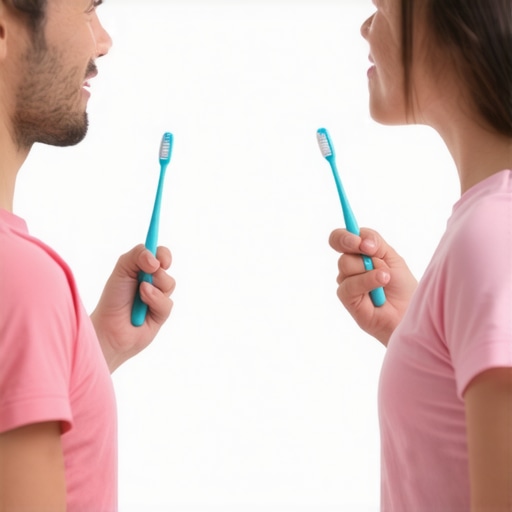
I vividly remember the moment I realized I had been making a simple but glaring mistake—sharing my toothbrush with my spouse. It was a quiet evening, and as I reached for that familiar brush, I paused. A strange feeling washed over me. A tiny voice in my head whispered, “Is this really safe?” That little doubt turned into a full-blown lightbulb moment. Sharing toothbrushes, even with those we love most, might seem harmless on the surface, but the potential consequences are anything but trivial.
Why You Should Never Share a Toothbrush, Even with Family
I’ve learned firsthand that sharing a toothbrush isn’t just a matter of personal preference—it’s a significant risk to your oral health. Bacteria, viruses, and fungi can easily transfer from one person’s mouth to another, increasing the chances of infections, gum disease, and other oral health issues. In fact, the Centers for Disease Control and Prevention (CDC) warn that sharing oral hygiene tools can spread harmful pathogens, including herpes simplex virus and even hepatitis B. The risk is real, and it’s more common than many of us think.
Questioning Your Assumptions: Is It Really That Dangerous?
Early on, I made the mistake of brushing off my concerns. I told myself, “It’s just a toothbrush, and they’re all the same, right?” But that was a careless oversight. The reality is that your mouth hosts countless bacteria unique to you, and sharing a brush can introduce unwanted and potentially harmful microbes into your oral ecosystem. If you’ve ever had a sore throat or cold shortly after sharing a toothbrush, you know how quickly germs can spread. It’s a perfect example of how a seemingly innocent act can backfire.
This brings us to an important question: How can you protect yourself and your family from unnecessary risks without feeling overly cautious? That’s what I’ll help you with today—simple, effective steps rooted in personal experience and backed by expert advice.
Now, if you’ve ever wondered why your gums bleed after a shared brushing session or how bacteria can lurk unseen on your toothbrush, keep reading. We’re about to dive into the practical reasons and solutions to keep your family safe—and your smile healthy.
Have you ever faced a situation where a shared toothbrush seemed like an innocent shortcut, only to regret it later? Let’s explore why that feeling isn’t just paranoia, and how you can effectively prevent it in your home.
Establish a Consistent Brushing Routine
Start by teaching every family member, especially children, to brush their teeth twice daily using fluoride toothpaste. Personally, I set a timer for two minutes to ensure thorough cleaning. Once, my teenager rushed through brushing; I gently reminded him about the importance of proper technique and duration. This simple adjustment led to visibly healthier gums and reduced plaque buildup.
Choose the Right Tools for Each Family Member
Invest in age-appropriate toothbrushes, like soft-bristled for children, and consider electric brushes for better plaque removal. For example, I recommended an electric toothbrush to my spouse after she experienced persistent gum bleeding. Switching to an electric model improved her brushing efficiency and overall gum health, highlighting the significance of appropriate tools.
Implement Flossing as a Daily Habit
Flossing reaches areas that brushes can’t. I struggled with traditional floss until I discovered water flossers, which my family now use. One evening, I demonstrated how to use a water flosser, and it became a game-changer—less messy, easier, and more effective, especially for my kids with braces.
Utilize Interdental Cleaners for Hard-to-Reach Spaces
For stubborn spots or orthodontic appliances, consider interdental brushes or floss picks. I introduced these tools when my youngest got braces, and immediately noticed less food trapping and fewer visits to the dentist for plaque removal. Regular use keeps teeth cleaner and reduces the risk of cavities.
Limit Sugary and Acidic Snacks
Diet impacts oral health significantly. I swapped out candies for healthier options like cheese or crunchy vegetables, which help clean teeth naturally. For quick guidance, check out [the best snacks for school lunches](https://periodontistcare.com/the-best-snacks-for-school-lunches-that-wont-cause-cavities). After adopting this change, my children’s teeth appeared less stained and more vibrant.
Schedule Routine Dental Check-ups
Regular professional cleaning and exams are vital. I schedule appointments every six months and track them on a shared calendar. During one visit, the dentist identified early signs of wear, allowing us to address issues before they worsened. This proactive approach maintains oral health and prevents costly repairs.
Protect Teeth During Activities
For sports or high-contact hobbies, use a mouthguard. I purchased custom-fitted mouthguards for my kids, which fit comfortably and prevented injuries during soccer. Protecting teeth from trauma reduces the chance of needing crowns or implants later.
Tackle Dental Anxiety for a Smooth Experience
Many hesitate to visit the dentist. I faced this with a family member, and I found that discussing fears and gradual exposure helped. Using relaxation techniques and choosing a family-friendly dentist who understands anxiety made appointments less stressful—encouraging regular care.
Maintain Good Oral Hygiene Habits Indoors and Outdoors
Encourage rinsing with water after meals if brushing isn’t possible immediately. I always carry a travel toothbrush and mouthwash during outings, ensuring no opportunity for plaque buildup. Staying consistent, even outside the home, builds lifelong habits that safeguard teeth.
Many people believe that dental crowns are a straightforward solution to damaged or decayed teeth, but in my experience, there’s a hidden nuance that often gets overlooked. The common myth is that once a crown is in place, the problem is solved permanently. However, this overlooks the complex interaction between the crown material, the underlying tooth structure, and overall oral health. For example, the choice of crown material—whether porcelain, zirconia, or metal—can influence not only durability but also how the crown interacts with your gums and surrounding teeth. A study published in the Journal of Prosthetic Dentistry emphasizes that improper selection or placement can lead to secondary decay or gum recession, counteracting the initial benefit. So, it’s crucial to understand that crowns aren’t just cosmetic fixes—they require ongoing maintenance and proper integration with your natural dentition.
What advanced signs of crown failure should you watch for beyond the obvious?
Many assume that issues like discomfort or sensitivity are the only warning signs, but more subtle indicators include changes in bite alignment, slight discoloration at the gum margin, or persistent bad taste—all of which can signal compromised seal or underlying decay. Addressing these early with your dentist can prevent more extensive restorations. Remember, a crown’s success depends on meticulous craftsmanship and patient vigilance. Regular check-ups are vital; consider discussing with your dentist about the integrity of your restorations, especially if you notice shifts or wear. For comprehensive tips on maintaining your dental restorations, visit this guide on matching crown color.
Understanding these nuances is particularly important within family dentistry, where children and older adults may have different needs. For example, younger patients with developing teeth might benefit from sealants or specific fluoride treatments to protect against recurrent decay around crowns. Meanwhile, for adults managing multiple restorations, avoiding common pitfalls like biting on hard objects or neglecting oral hygiene can extend the lifespan of their dental work. Staying informed about these details empowers you to make better decisions for long-term oral health. Want more insider tips? Check out how to keep your child’s teeth healthy during orthodontic treatment.
Many people also misunderstand the importance of regular dental visits in maintaining crown health. Routine x-rays and cleanings can spot issues early—like an unnoticed crack under a crown or early signs of decay. Ignoring these signs often results in more invasive procedures, such as root canals or extractions. My advice is to treat crowns as living parts of your oral ecosystem, not just static fixtures. If you’ve ever experienced a metallic taste or an unexpected increasing of tooth sensitivity, these are signs to consult your dentist promptly. Don’t let small problems snowball into serious concerns. And for tips on managing dental anxiety during check-ups, visit this comprehensive resource.
In conclusion, the hidden nuance about dental crowns is their dynamic and ongoing relationship with your entire oral health. By understanding material choices, paying attention to subtle signs, and prioritizing regular maintenance, you can ensure that your crowns serve you well for years to come. Remember, you’re not just passing a quick fix—you’re investing in your long-term smile. Have you ever fallen into this trap? Let me know in the comments.
Maintaining your oral health isn’t just about brushing and flossing daily—it’s about using the right tools and establishing a routine that guarantees your smile stays healthy for years to come. Personally, I’ve found that investing in quality equipment and adopting science-backed methods make a huge difference in preventing problems like decay, gum disease, and crown failure. Today, I’ll share the most effective tools I recommend, delve into their benefits, and predict where dental maintenance is headed in the future.
How do I maintain my dental tools over time?
Properly caring for your equipment ensures their longevity and effectiveness. For toothbrushes, I recommend replacing manual brushes every three months or sooner if bristles fray, which prevents bacteria buildup. For electric toothbrushes, I clean the brush head weekly by soaking it in disinfectant solution or rinsing thoroughly with hot water. To keep the device itself in top shape, avoid submerging the handle in water and store it in a dry place. |A UV toothbrush sanitizer like the Lumina UV Sanitizer| is an excellent investment, as it actively kills bacteria and fungi, ensuring your brush remains as hygienic as possible between uses. Regularly replacing floss picks and interdental brushes is just as essential; I keep a stock in my travel kit to maintain consistency. Connecting to digital tools such as
sealing devices with apps can remind you when to replace supplies, making maintenance even easier. As technology advances, future tools will likely integrate AI to monitor your brushing habits and suggest improvements, making oral care more personalized and effective.
By maintaining your tools diligently, you extend their lifespan and ensure each cleaning session is maximally effective. Remember, a clean tool equals a healthier mouth. For families, establishing this habit early helps children understand the importance of hygiene and sets a standard for their lifelong practice. Make a habit of inspecting and replacing your dental tools regularly—your smile will thank you!
What innovative tools are shaping the future of dental care?
Emerging technologies like AI-powered sonic toothbrushes and smart flossers are redefining maintenance routines. These devices can assess plaque levels, detect areas needing extra attention, and even provide real-time feedback on technique. Companies are now developing flossers embedded with sensors that monitor bacteria levels and alert users when a tool needs replacing or when brushing pressure is too high, reducing gum damage.
Looking ahead, I predict that the integration of IoT (Internet of Things) with dental health will become standard, allowing seamless tracking of home care and professional visits. For example, my favorite device, the SonicBrush Pro, utilizes AI and app connectivity to adapt brushing programs based on individual needs, which I personally find incredibly helpful.
How can keeping your tools in tip-top shape impact long-term results?
Consistently maintaining your dental tools ensures that your efforts in brushing and flossing truly pay off. Proper equipment care prevents the spread of bacteria, reduces wear on brushes, and makes your cleaning routine more effective. These small but vital steps contribute to fewer cavities, healthier gums, and longer-lasting crowns. In fact, research indicates that using well-maintained tools can extend the lifespan of your dental restorations—something worth considering when planning long-term oral health strategies.
If you haven’t tried a UV disinfectant recently, I highly recommend giving it a shot. Just a few minutes daily can significantly elevate your hygiene game and safeguard your oral ecosystem. Try incorporating this into your routine today and notice the difference it makes!
Stay ahead of the curve by embracing new tools, and remember—healthy teeth are built on smart maintenance. Your future self will thank you for taking these proactive steps now.
Lessons Only Experience Can Teach About Crowns and Family Smiles
- One of the toughest lessons I learned was the importance of personalized crown material selection. During my early days, I naively believed all crowns were the same, but understanding the nuances—like porcelain versus zirconia—made a huge difference in outcomes.
- Another lightbulb moment was realizing that regular communication with your family dentist can catch subtle issues before they escalate. It’s not just about quick visits but building a relationship centered on trust and detailed understanding.
- Finally, I discovered that patient vigilance—paying attention to tiny signs like slight discoloration or odd tastes—can save your teeth from major repairs. Being proactive is key in maintaining long-term oral health.
Tools and Resources That Elevated My Dental Routine
- UV Toothbrush Sanitizer: I trust this because it actively kills bacteria, keeping my toothbrush hygienic between uses and reducing infection risk.
- SonicBrush Pro: My go-to for its AI-powered feedback, helping me improve my brushing technique and ensuring I clean every corner effectively.
- Water Flossers: They’ve made flossing easier for my family, especially those with braces or dental implants, and significantly cut down plaque buildup.
- Educational Books: Titles like The Dental Care Revolution shifted my perspective on preventive care, emphasizing that knowledge truly is power.
Your Smile Is a Journey, Not a Destination
Remember, your commitment to oral health is a lifelong adventure. Every small step—from choosing the right crown material to maintaining your tools diligently—adds up to a healthier, more confident smile. Don’t be afraid to experiment with new techniques or seek personalized advice; your best smile is waiting to be uncovered. What’s one change you’re excited to try in your dental routine? Drop your thoughts below—let’s keep inspiring each other towards better oral health!