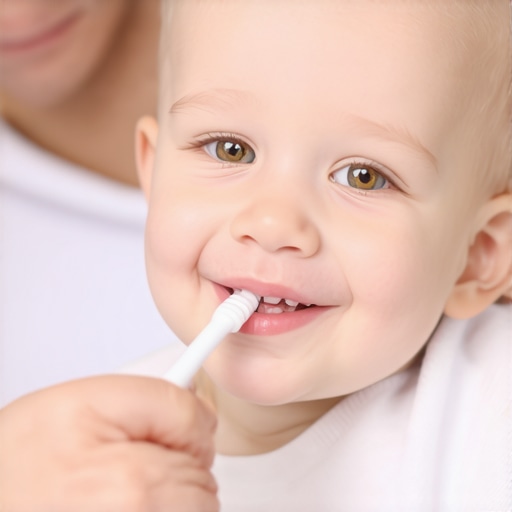
I remember the first time I tried to brush my toddler’s teeth and ended up with a face full of toothpaste and a very upset kid. It was a lightbulb moment for me—how do you clean tiny, uncooperative teeth safely when they can’t spit or rinse properly? That struggle is real for many parents, and I was no exception. For a while, I felt like I was fumbling in the dark, worried about doing more harm than good.
But guess what? I’ve learned a few tricks along the way, and today, I want to share a reliable approach to keeping your little one’s teeth healthy without turning into a battleground. Whether you’re new to this or just looking for some reassurance, know that you’re not alone—and there’s an easy way to handle this daily challenge.
The Heart of the Matter
Caring for a toddler’s teeth before they can spit is more than just a parenting hurdle; it’s a foundational step toward lifelong oral health. Early dental habits set the stage for fewer cavities, healthy gums, and even better overall health. Yet, many parents hesitate, unsure about the safest, most effective method to clean those tiny teeth without causing discomfort or harm.
From my own experience, the biggest concern was always how to prevent choking or swallowing excessive toothpaste. Early on, I made the mistake of using too much paste or pressing too hard, which irritated my child’s delicate gums. According to pediatric dental experts, using a smear or rice-sized amount of fluoride toothpaste is best for young children and always supervising brushing to prevent swallowing. Studies show that early dental care reduced the incidence of cavities in children by up to 40%, emphasizing how vital these initial habits are. To learn more about maintaining a bright smile during adulthood, you can explore tips on [keeping your teeth white while drinking tea](https://periodontistcare.com/how-to-keep-your-teeth-white-while-drinking-three-cups-of-tea-a-day).
So, how do you clean those tiny teeth safely and efficiently? That’s what I’ll be breaking down next, taking the guesswork out of this daily task and helping you feel more confident. Ready to dive into proven methods that work? Let’s get started.
Will my child’s oral health suffer if I don’t get this right?
Start With the Right Equipment and Setting
Gather a soft-bristled baby toothbrush or a finger brush, and a small amount of fluoride toothpaste (a rice-sized dab). Dim the lights and sit comfortably in a quiet spot to make the session less intimidating for your child.
Position Your Child Properly
Lay your child across your lap or sit them on a sturdy surface, supporting their head gently. Think of this as stabilizing a delicate sculpture before polishing it—steady, careful, and confident.
Use Micro-Movements for Tiny Teeth
Gently lift the upper lip to expose the teeth. Using your finger or the brush, employ tiny, circular motions—like polishing a jewelry piece—to remove plaque without irritating gums. I remember when I first tried this, my hand was shaky, but I found that slow, deliberate movements made all the difference.
Brush Along the Gum Line and Chewing Surfaces
Focus on the gum line—to prevent the formation of cavities—and the biting surfaces. Think of this process as sweeping debris from a hard-to-reach corner; patience and gentle strokes are key.
Cover All Surfaces and Inspect
Make sure to clean the inner, outer, and chewing surfaces of all teeth. Afterward, briefly inspect the mouth for any visible issues, such as spots or red gums. This proactive check can catch early problems before they worsen.
Handling Resistance and Mess
If your toddler resists, don’t push too hard—think of it like introducing a new pet to grooming. Instead, try distraction techniques or a gentle, playful approach. For example, singing a song or offering a favorite toy can turn the routine into a game, reducing tears and fidgeting. I vividly recall smearing a little of my child’s favorite snack on their lips as a reward after brushing—they giggled and opened wide, making the process smoother.
Manage Swallowing and Spitting
Since toddlers can’t spit effectively, use a small dab of toothpaste and avoid rinsing immediately after brushing. This allows the fluoride to stay longer on the teeth, providing better protection. A helpful tip is to wait at least 30 minutes before offering water or milk, aligning with recommendations from pediatric dentists.
Make It Routine but Not Rigid
Establish a daily schedule—perhaps morning and bedtime—so your child anticipates and accepts teeth cleaning. Consistency beats force, which can create a negative association. I found that making it a family activity, with everyone brushing together, reinforces positive habits.
Stay Informed About Dental Products and Techniques
Using age-appropriate tools and techniques can make a big difference. For example, switching to an electric toothbrush designed for children can compensate for limited dexterity and ensure thorough cleaning. Check out proper electric brushing methods for more tips. Also, avoid charcoal toothpaste or abrasive options that can damage developing enamel—review why charcoal can be harmful.
While many believe that brushing harder cleans better, this is a misconception that can actually damage your enamel and gums. Gentle, thorough brushing with the right technique is far more effective—and safer—than brute force, especially when using an electric toothbrush, which can be optimized by following expert tips outlined in proper electric brushing methods. Another widespread myth is that flossing isn’t necessary if you brush regularly; in reality, flossing addresses areas that a toothbrush can’t reach, significantly reducing plaque buildup and preventing periodontal issues, as explained in hidden reasons your floss smells bad. Many people also assume that crowns are a quick fix that doesn’t require special maintenance; however, neglecting proper care can lead to complications like crown dislodgement or underlying decay, which makes regular dental visits essential—especially when considering the latest advances in crown materials like zirconia, discussed here. An advanced mistake many overlook is the belief that only cavities cause tooth pain. But, issues like cracked teeth or dental sensitivity, often mistaken for other ailments, require a nuanced diagnosis from a professional, as highlighted in this guide. Understanding these nuances can prevent costly and painful errors down the line. Do you think you’ve fallen for any of these myths? Share your experiences in the comments!Achieving long-term oral health depends heavily on consistent maintenance and using the right tools. I personally swear by an electric toothbrush like the Philips Sonicare series, especially for my patients who find manual brushing tedious or ineffective. These devices feature sonic vibrations that dislodge plaque more efficiently, and using them properly—following experts’ guidance on proper electric toothbrush techniques—ensures a thorough clean without damaging enamel. Additionally, incorporating a high-quality water flosser such as the Waterpik can greatly enhance plaque removal in hard-to-reach areas, which is crucial for preventing periodontal disease. Regularly replacing your crown or fillings when signs of deterioration appear—like match mismatches or discomfort—prevents secondary decay and maintains dental function. For monitoring and tracking your oral hygiene progress, digital tools and apps like Brush DJ or Oral-B’s Bluetooth-connected devices are becoming increasingly popular, helping to keep routines consistent and effective. Looking ahead, the integration of AI diagnostics and smart toothbrushes promises even more personalized and efficient maintenance strategies, making the future of oral health both exciting and more accessible. If you’re interested in stepping up your routine, I recommend trying advanced tools like the Sonicare platform, ensuring your daily routine maximizes plaque removal and enamel protection. Remember, consistent care paired with the right equipment translates into healthier, happier teeth for years to come.
What I Wish I Knew Before My First Toddler Teeth Cleaning
One of the biggest lessons I learned early in my dental career is that patience and familiarity are key—treating a child’s mouth gently and gradually builds trust. I realized that introducing dental tools slowly, without forcing, minimizes anxiety and resistance, turning teeth cleaning into a positive experience. Small successes in routine can lead to long-term habits that protect their smile for life.
Why My Most Powerful Tip Is Simplicity Over Sophistication
Initially, I tried fancy gadgets and gimmicks, but I found that the basics—using a soft brush and the correct technique—make the biggest difference. Teaching parents to master gentle, circular motions and proper gum line coverage has been my most reliable strategy. It’s a reminder that sometimes, straightforward care produces the best results, saving your child’s teeth from future decay.
How I Learned to Turn Dental Care into a Playful Routine
Child psychology plays a huge role. Incorporating stories, singing, or turning brushing into a game has helped countless children accept their routine. I once suggested making a ‘toothbrush race’ or rewarding a child with a sticker after every session. These small tricks make dental health engaging, making it less of a chore and more of a fun family habit.
Curated Tools That Make a Difference in Pediatric Dentistry
My go-to equipment includes curved, small-head toothbrushes designed for little mouths; fluoride toothpaste with a safe, tiny dab; and visual aids like colorful charts. For stubborn kids, I recommend using a water flosser with a gentle flow—it’s easier and more comfortable than traditional flossing for tiny spaces. I trust these because they are backed by research and have proven to improve compliance and results.
Emotional Power: Every Child Deserves a Confident Smile
Investing in your child’s dental health today isn’t just about avoiding cavities—it’s about nurturing confidence and comfort with their smile for years to come. Remember, the habits you build now set the foundation for a healthier, happier future. Small daily efforts, paired with the right tools and mindset, can prevent a lifetime of dental issues. You’ve got this; your child’s bright smile is worth every moment.